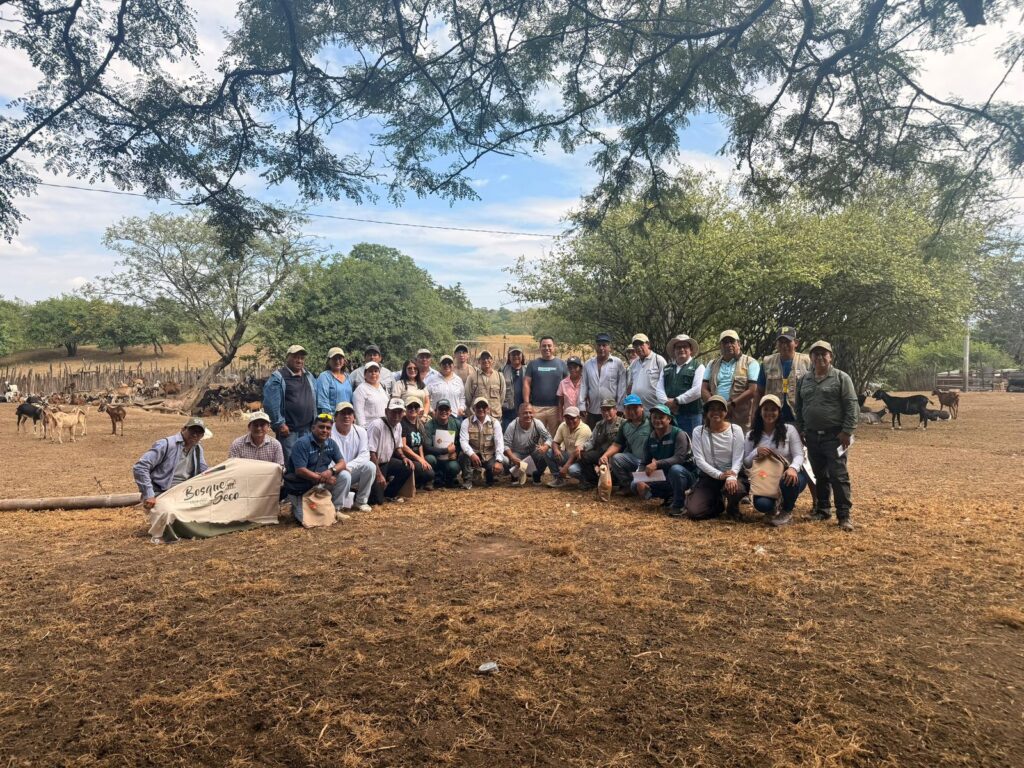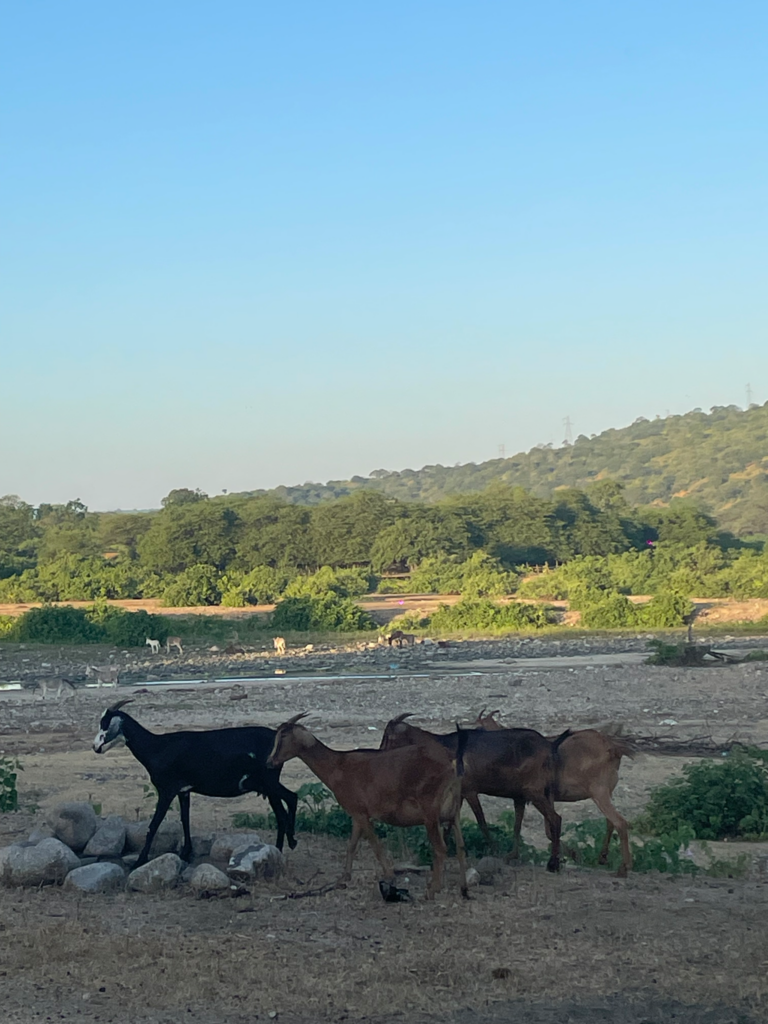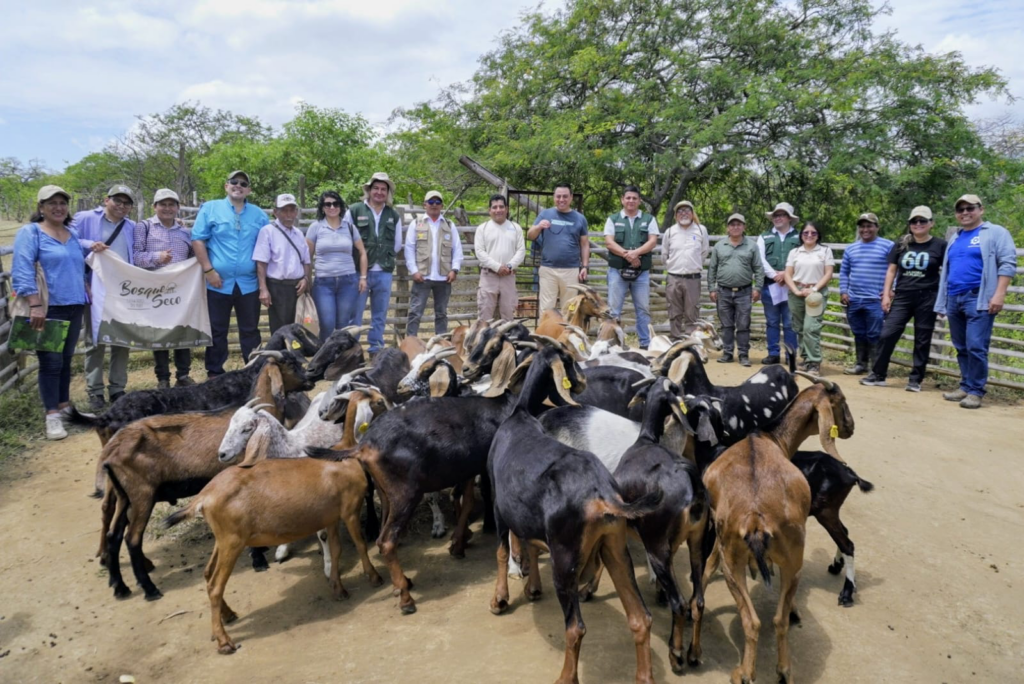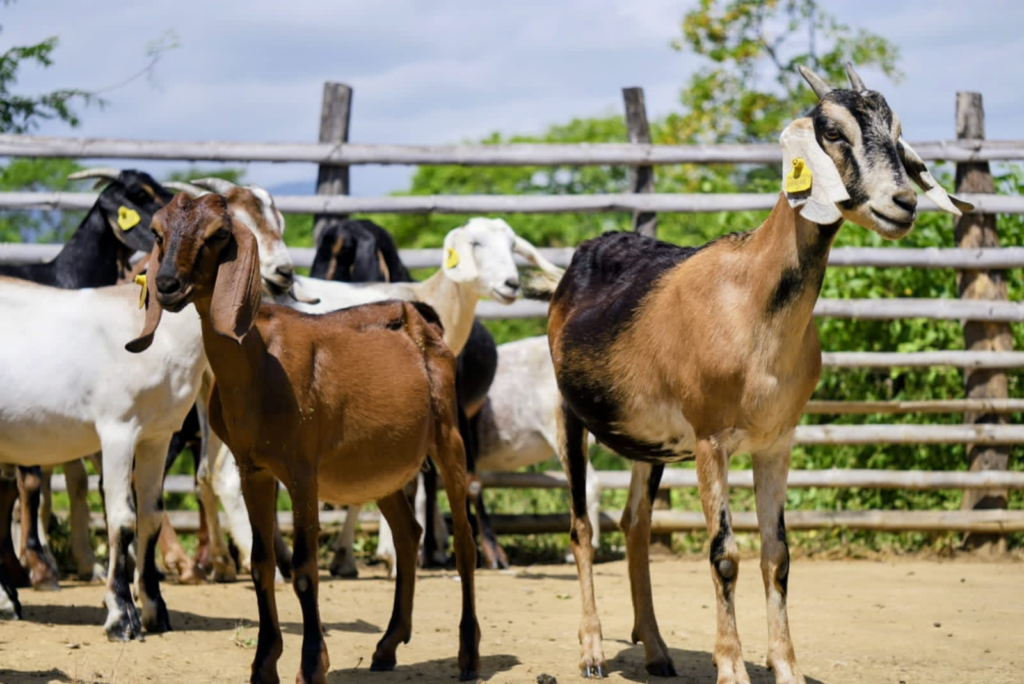
With the aim of promoting the New Forest Economy in Peru’s forest territories, the Exchange of Experiences on Sustainable and Regenerative Goat Farming in the Dry Forest of Northern Peru was held. This activity was designed to strengthen rural livelihoods and promote sustainable production systems in the dry forest.
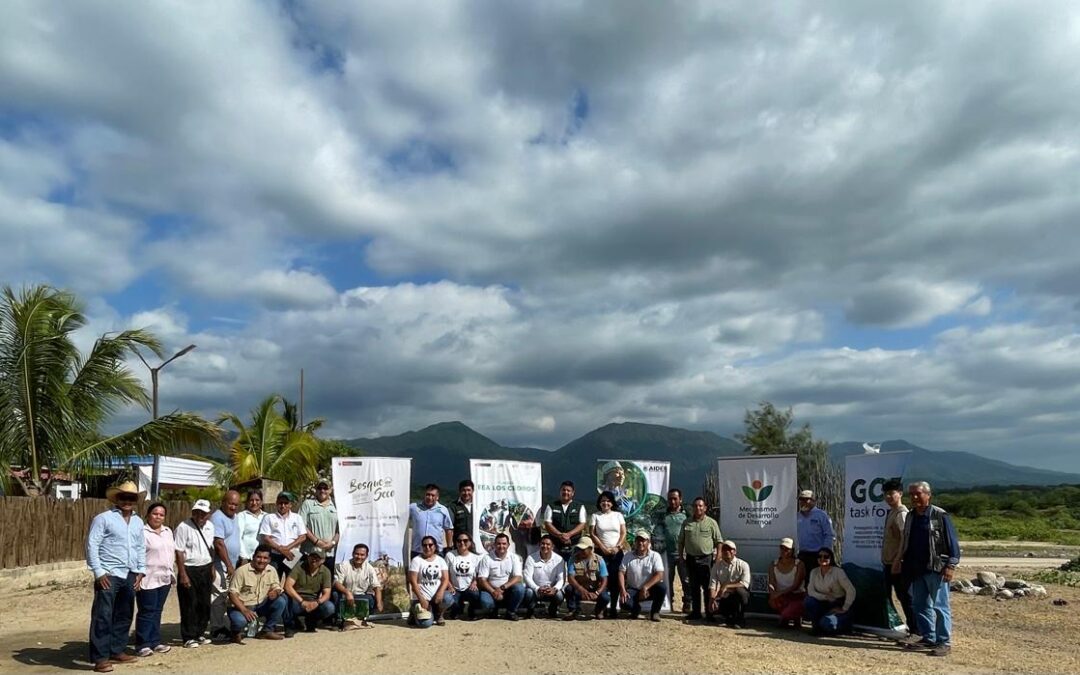
The activity took place in the district of Casitas, province of Contralmirante Villar, in Tumbes, an observer member of the GCF Task Force. It brought together representatives of the regional governments of Tumbes, Piura, Lambayeque and La Libertad, along with partner institutions such as WWF Peru, INIA and Profonanpe, through its Dry Forest Project, AIDER and MDA, the Peru Coordination of the GCF Task Force. The exchange provided an opportunity to learn about local experiences in conventional, semi-technified and technified goat management, identifying progress, challenges and opportunities to transition toward regenerative models adapted to dry forest conditions.
This process is part of the Northern Forests Macro-Regional Platform, a coordination space that seeks to strengthen cooperation among regional governments, technical institutions, producers and strategic partners to advance a common sustainable development agenda. Within this framework, sustainable goat farming represents a concrete opportunity to integrate production, protection and inclusion, contributing to food security, climate resilience and income generation for rural families.
As a result of the exchange, guidelines for regenerative goat farming were established, organized around five pillars: management and production; environmental management and sustainability; markets and financing; organization and support; and institutional coordination and assistance. A driving group for goat farming was also formed within the Northern Forests Macro-Regional Platform, under the leadership of INIA and Profonanpe/Dry Forest Project, with support from MDA, the Peru Coordination of the GCF Task Force. The next step will be to develop a work plan to turn the agreed guidelines into a larger-scale proposal capable of mobilizing national and international resources.
These advances contribute to the vision of a New Forest Economy, promoted within the framework of the GCF Task Force, by demonstrating that it is possible to strengthen productive activities while maintaining a focus on ecosystem conservation, climate change adaptation and the inclusion of rural communities. In the case of the dry forest, goat farming is not only a traditional economic activity, but also a pillar of food security for thousands of families along Peru’s northern coast.