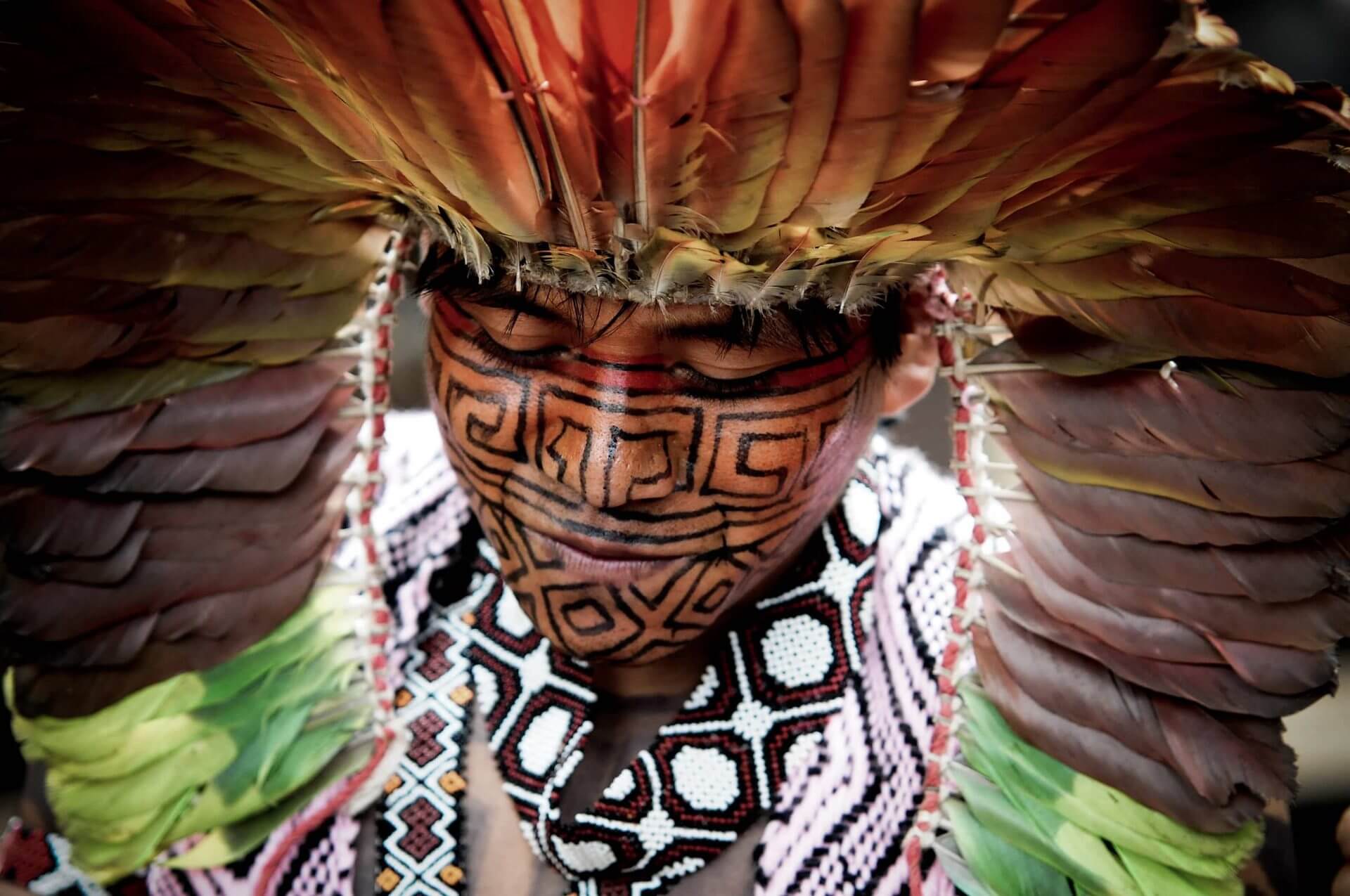
The Power of Partnerships
Subnational governments are increasingly realizing that Indigenous Peoples, local and traditional communities and other forest-dependent people are critical partners in the ongoing fight to slow deforestation and climate change. The GCF Task Force has been working to seed these important alliances since the signing of the Rio Branco Declaration in 2014. At the core of this work is the fact that equitable, collaborative partnerships between governments, Indigenous Peoples, and local or traditional communities are essential for guaranteeing the human and territorial rights of key forest guardians. These partnerships are also critical for conserving important forested regions of our world; the people who live in and depend upon forests know these places best and have strategies that we all can learn from. Though partnerships based on trust and authentic collaboration take time to build, they are the most ethical and effective pathway forward.
Protecting the Forest From Within
Indigenous territories have the highest rates of forest conservation in the world.
Indigenous Peoples and local communities own or manage:

28% of the world’s land

⅛ of the planet’s forests

¼ of total above-ground carbon storage in the world’s tropical forest regions
Our work with Indigenous Peoples and Local Communities is currently focused on implementing a set of Guiding Principles for Collaboration and Partnership Between Subnational Governments, Indigenous Peoples and Local Communities across our member states and provinces. These Guiding Principles, developed by GCF Task Force members and key leaders of Indigenous Peoples’ and local or traditional community organizations, establish common ground between governments and communities as they work to address the interrelated problems of deforestation and climate change, while ensuring the rights of Indigenous Peoples and forest-based communities.
These Guiding Principles are grounded in the ideals of mutual respect and collaboration. They recognize Indigenous Peoples and local communities as important guardians of much of the world’s tropical forests, as people who hold invaluable, traditional and ecological knowledge that can be mobilized to combat deforestation and promote sustainable, forest-based economies. The Guiding Principles also emphasize the need for unity and authentic partnerships between governments and communities. Together, these actors can develop more impactful and inclusive strategies for addressing deforestation and climate change with the people who know and understand forests best.
Featured Resource
The Guiding Principles for Collaboration and Partnership Between Subnational Governments, Indigenous Peoples and Local Communities
Download the PDF in
Guiding Principles for Collaboration and Partnership Between Subnational Governments, Indigenous Peoples and Local Communities
Endorsed by:
“We don’t want governments to come and do things for us; we want to work together.”
Francisca Arara, Global Committee member and Government Representative Extraordinary Secretary of Indigenous Peoples, Acre, Brazil
Global and Regional Committees
Implementing the Guiding Principles for Collaboration and Partnership Between Subnational Governments, Indigenous Peoples and Local Communities is carried out both globally and regionally.
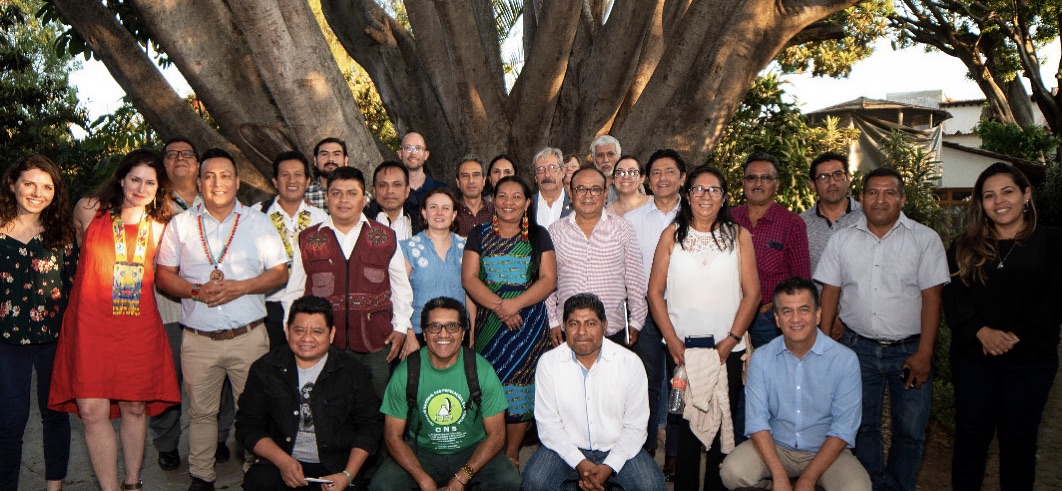
In 2016, the GCF Task Force Global Committee on Indigenous Peoples and Local Communities was formed to strengthen partnerships between subnational governments and Indigenous Peoples’ and local community-level leaders. The Global Committee convenes regularly at both international climate and forest events as well as in GCF Task Force regions. The Global Committee aligns around common policy and advocacy goals and serves as a platform for sharing effective strategies for effective, durable governmental-community partnerships.
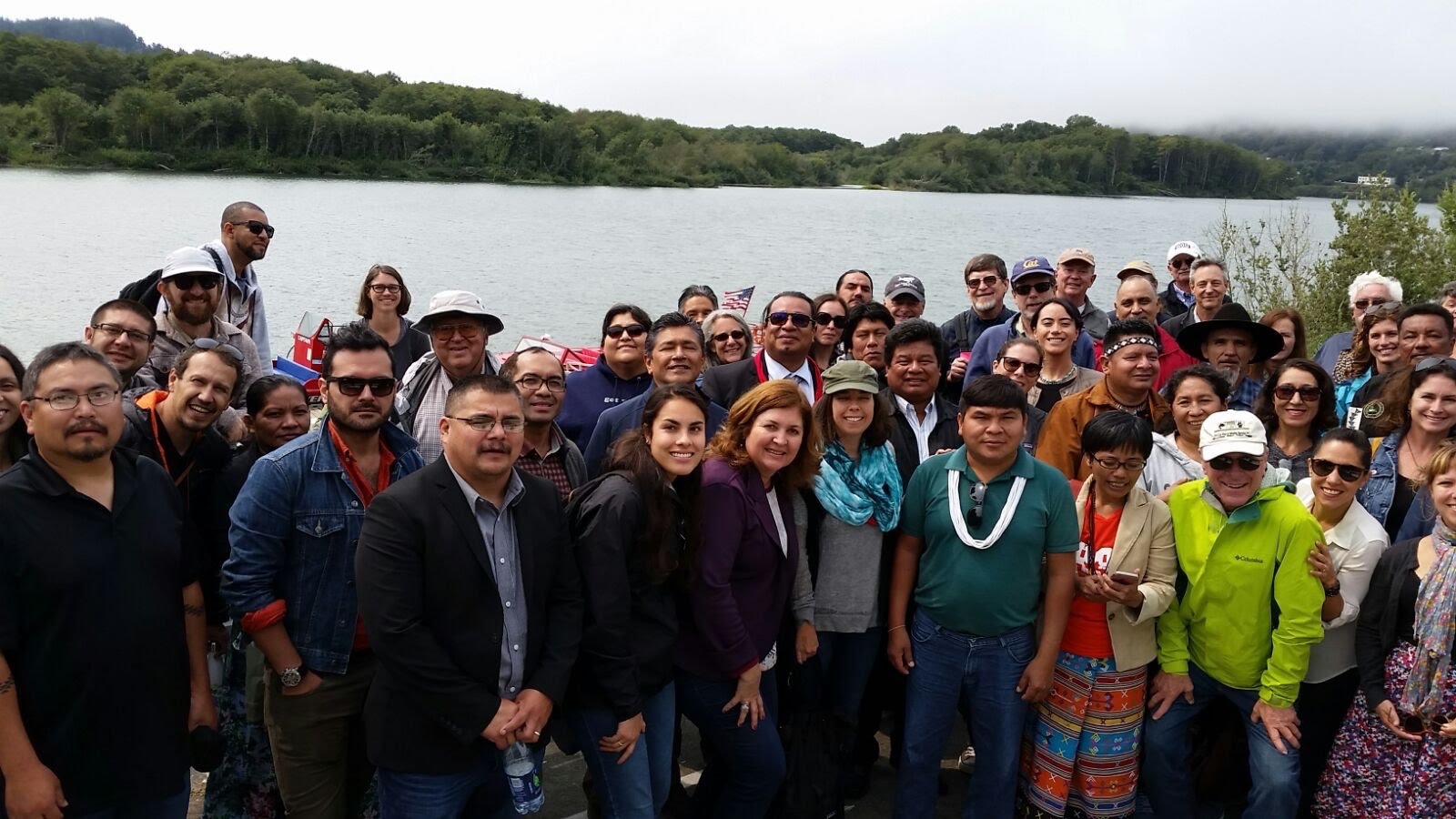
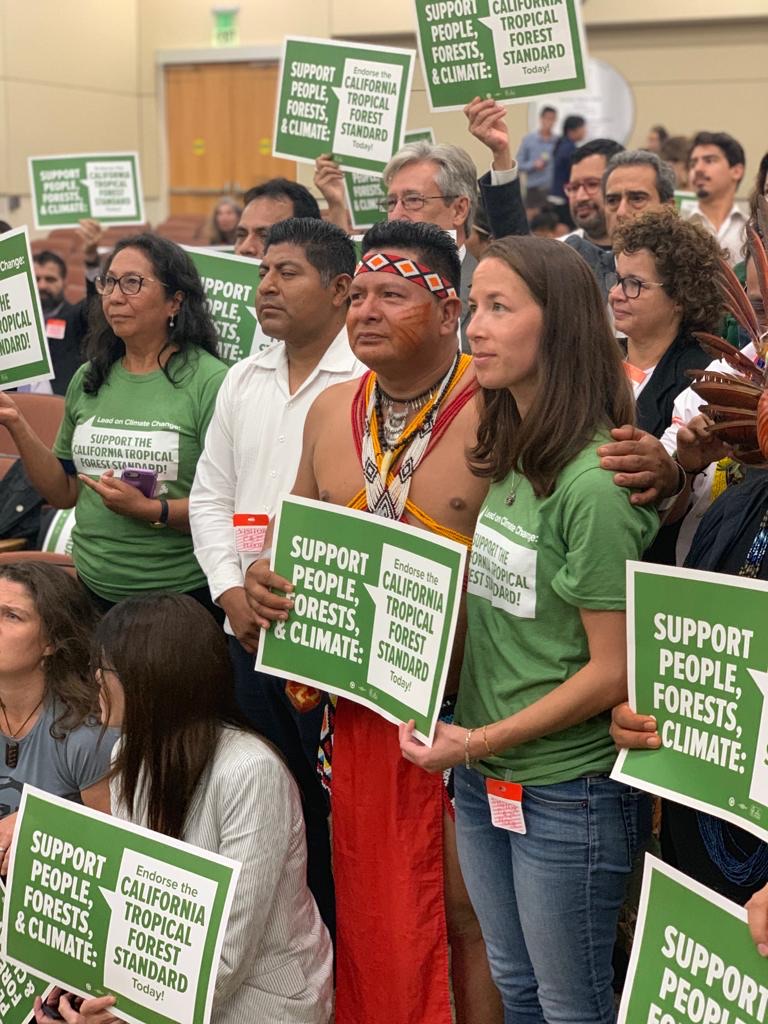
For over two years, the Global Committee worked to support the endorsement of California’s Tropical Forest Standard (TFS), which includes the Guiding Principles as a mechanism for monitoring and measuring governmental interactions with Indigenous Peoples and local communities. In 2018 and again in 2019, Global Committee members from around the world gathered in Sacramento, California, to affirm the importance of this standard at the public meeting of California’s Air Resources Board. Representatives from the Mesoamerican Alliance of Peoples and Forests (AMPB), the Coordinator of the Indigenous Organisations of the Amazon Basin (COICA), and the government of Norway, along with Chico Mendes’ daughter, spoke in support of the TFS.
The California Air Resources Board endorsed the Tropical Forest Standard on September 19, 2019.
Global Committee Members for Indigenous Peoples and Local Communities
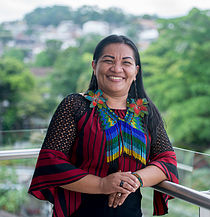
BRAZIL
Francisca Arara
Government Representative
Extraordinary Secretary of Indigenous Peoples, Acre, Brazil
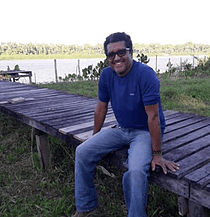
BRAZIL
Joaqim Correa de Souza Belo
Local Community Representative
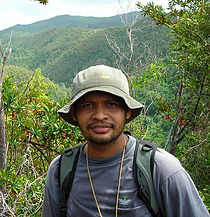
INDONESIA
Prof. Charlie D. Heatubun
Government Representative
Head of Provincial Research & Development Agency, West Papua, Indonesia

COICA
To Be Appointed
Global Organization Representative
Coordinadora de la Organizaciones Indígenas de la Cuenca Amazónica
PERU
To Be Appointed
Government Representative
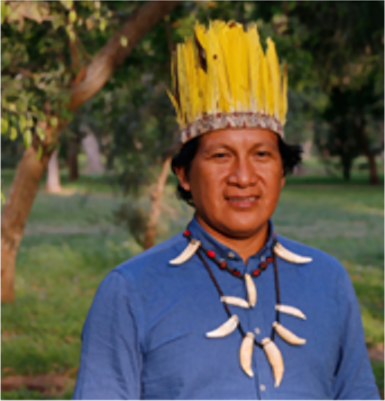
PERU
Fermin Chimatani
Indigenous Representative
President, ANECAP
PERU
To Be Appointed
Local Community Representative
AMPB
Gustavo Sánchez Valle
Global Organization Representative
Alianza Mesoamericana de Pueblos y Bosques
CALIFORNIA
Shannon Dilley
Government Representative
Chief Counsel and Tribal Liaison, California Air Resources Board
Regional Committees for Indigenous Peoples and Local Communities
Learn more at GCF Task Force IP-LC Global Committee
News updates from our work with Indigenous Peoples and Local Communities
-
GCF Task Force at COP30 Highlights: Strong Subnational Leadership, Strengthening Partnerships, and Advancing New Agreements
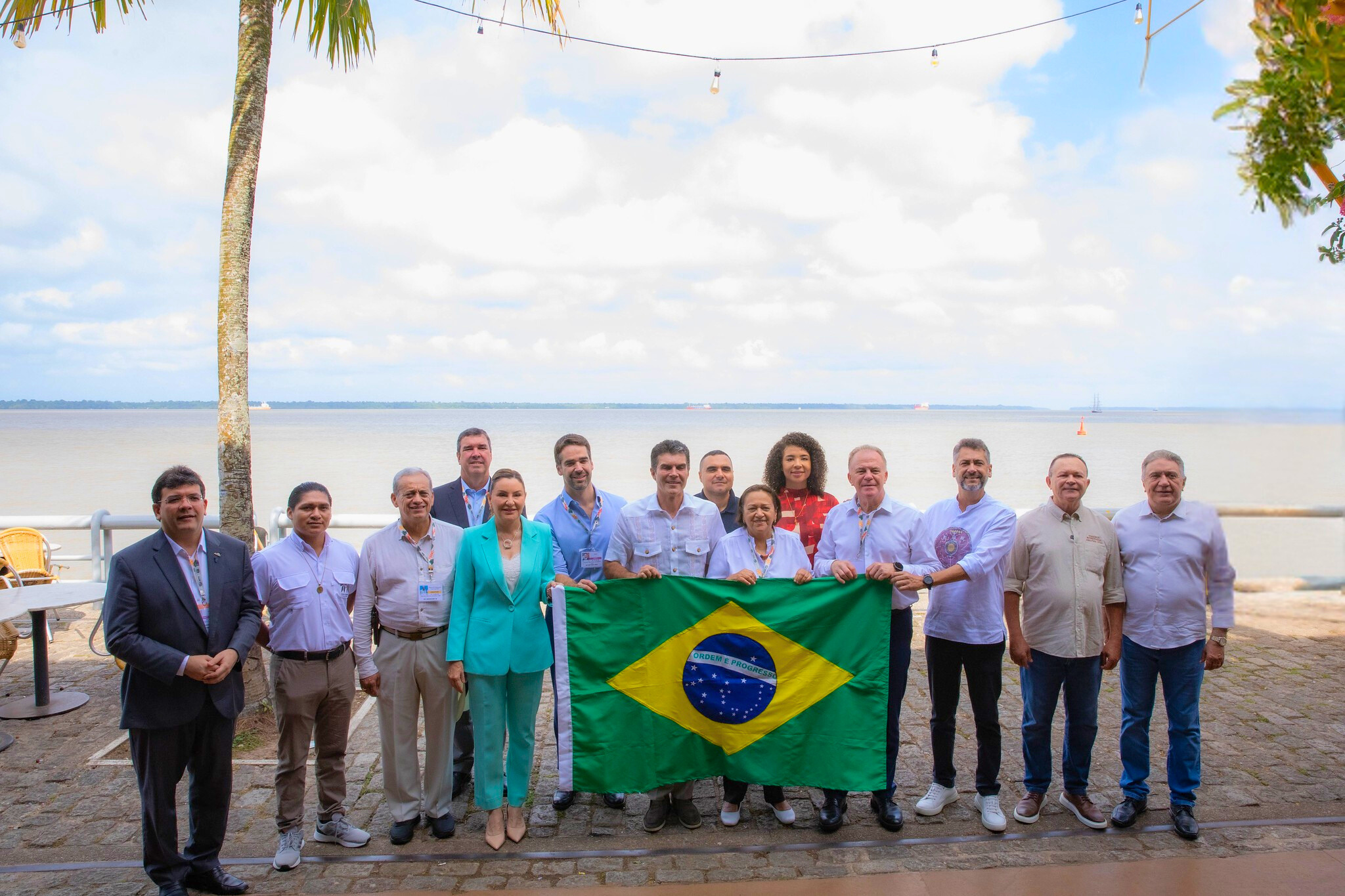
In November 2025, the 30th UN Climate Change Conference of the Parties (COP30) took place in Belém in the Brazilian state of Pará, a founding member of the Governors’ Climate and Forests Task Force (GCF Task Force). COP30 was dubbed “Implementation COP,” as it has been 10 years since the Paris Agreement was adopted at…
-
Global States & Regions Summit in Rio
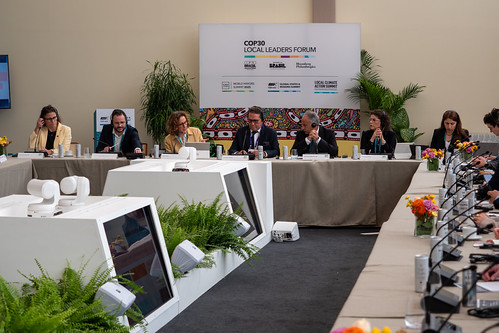
During the Local Leaders Forum organized by the Bloomberg Foundation and COP30 Presidency in Rio de Janeiro from November 3-5, 2025, Governors’ Climate and Forests Task Force (GCFTF) Governors and Environment Secretaries represented their jurisdictions and the full network. GCFTF Governors were invited to participate on panel discussions, plenary remarks, closing ceremonies, and bilateral sessions…
-
First MIPA Technical Meeting
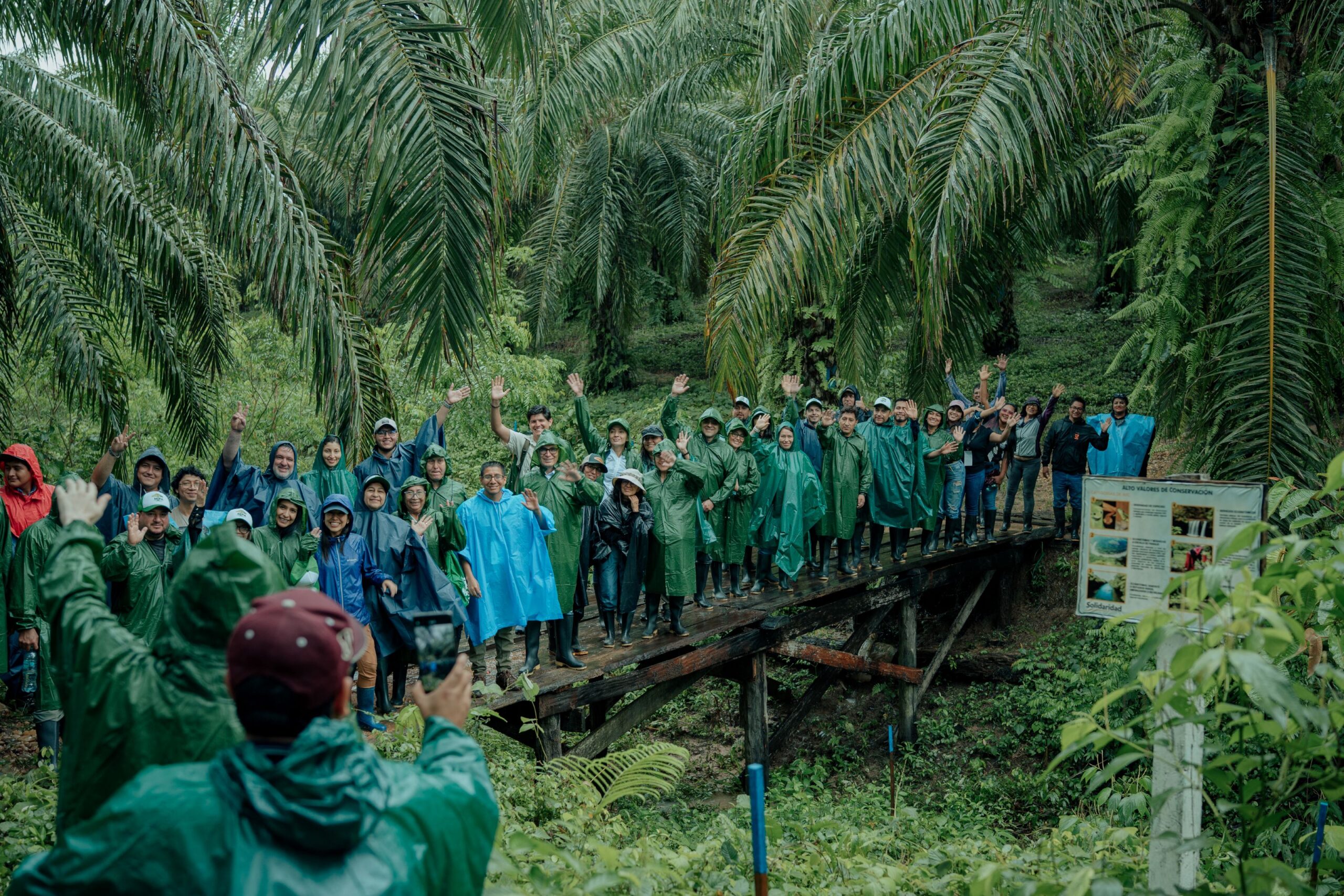
First Technical Meeting of the Mechanism for the Exchange of Subnational Public Policies for the Sustainable Environmental Management of the Amazon (MIPA): Regenerative Agriculture and Livestock Farming for Jurisdictions with Forests in Peru and the Amazon From October 27 – 29, 2025 in Pucallpa, Ucayali, Peru, subnational governments from across the Amazon, regenerative agriculture experts,…
-
Video Release: Voices of the GCF Task Force 2025
In the wake of New York Climate Week and in the lead up to COP30, state and provincial leadership on climate, biodiversity, sustainable finance, and community-focused investments is more important than ever. The Governors’ Climate and Forests Task Force continues to support our member states and provinces in implementing their jurisdictional plans and climate solutions…
-
Carbon Markets Access Toolkit for Governments
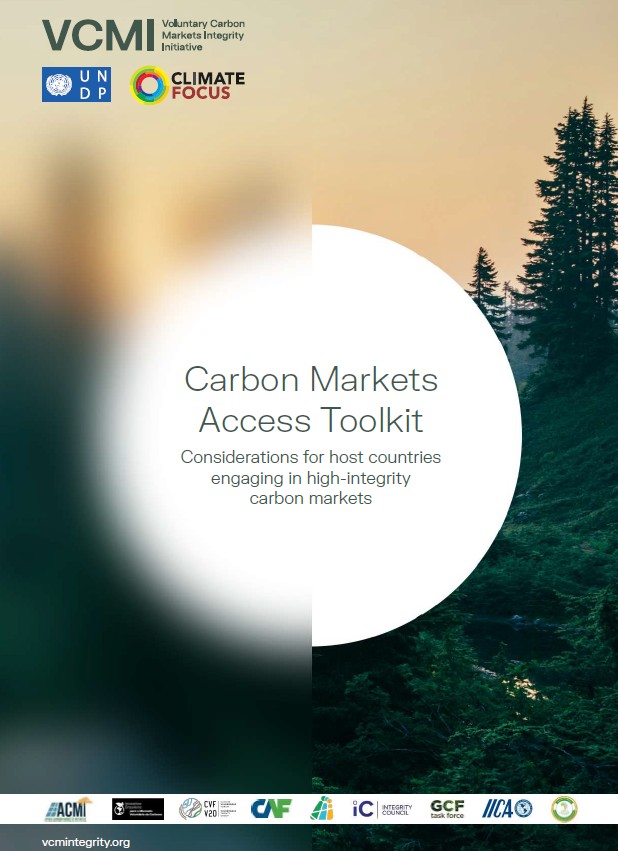
On August 21, 2025, the Governors’ Climate and Forests Task Force (GCFTF) participated in the launch of the Voluntary Carbon Markets Integrity Initiative (VCMI)’s updated “Accessing High-Integrity Carbon Markets on the Road to COP30: A Toolkit for Policymakers.” This toolkit was also developed by Climate Focus and the United Nations Development Program (UNDP). The GCFTF…
-
Historic Agreement for Jurisdictional REDD+ Program in Acre, Brazil
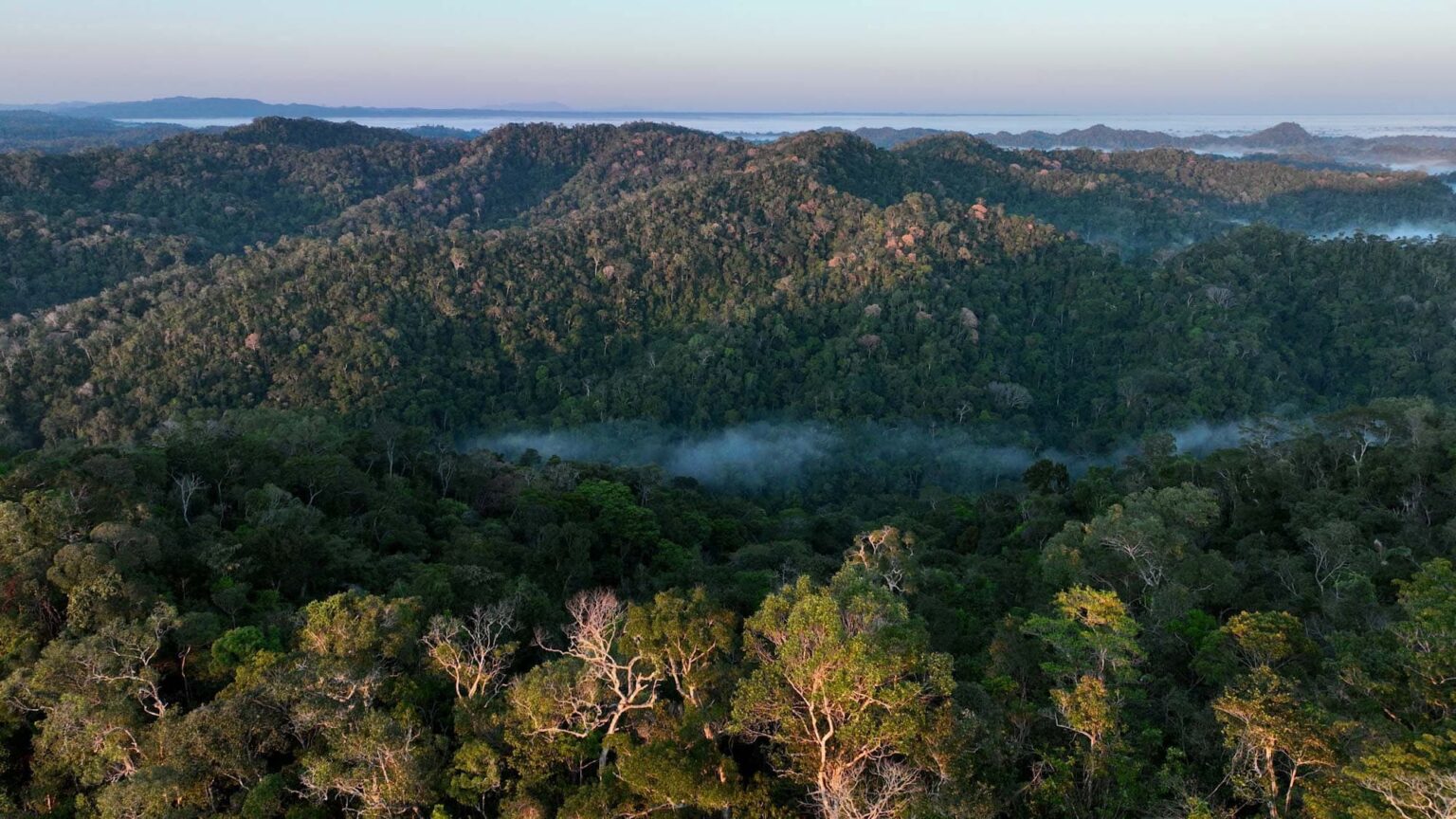
On August 6, 2025, the State of Acre, Brazil signed an unprecedented agreement with Standard Chartered bank, guaranteeing up to 40 million carbon credits directly linked to the state’s jurisdictional REDD+ program to protect the Amazon rainforest. Below is a translated version of the original press release, shared courtesy of the Acre Government. (Original available…
-
Acre Advances Landmark Jurisdictional REDD+ Benefits Sharing Decree
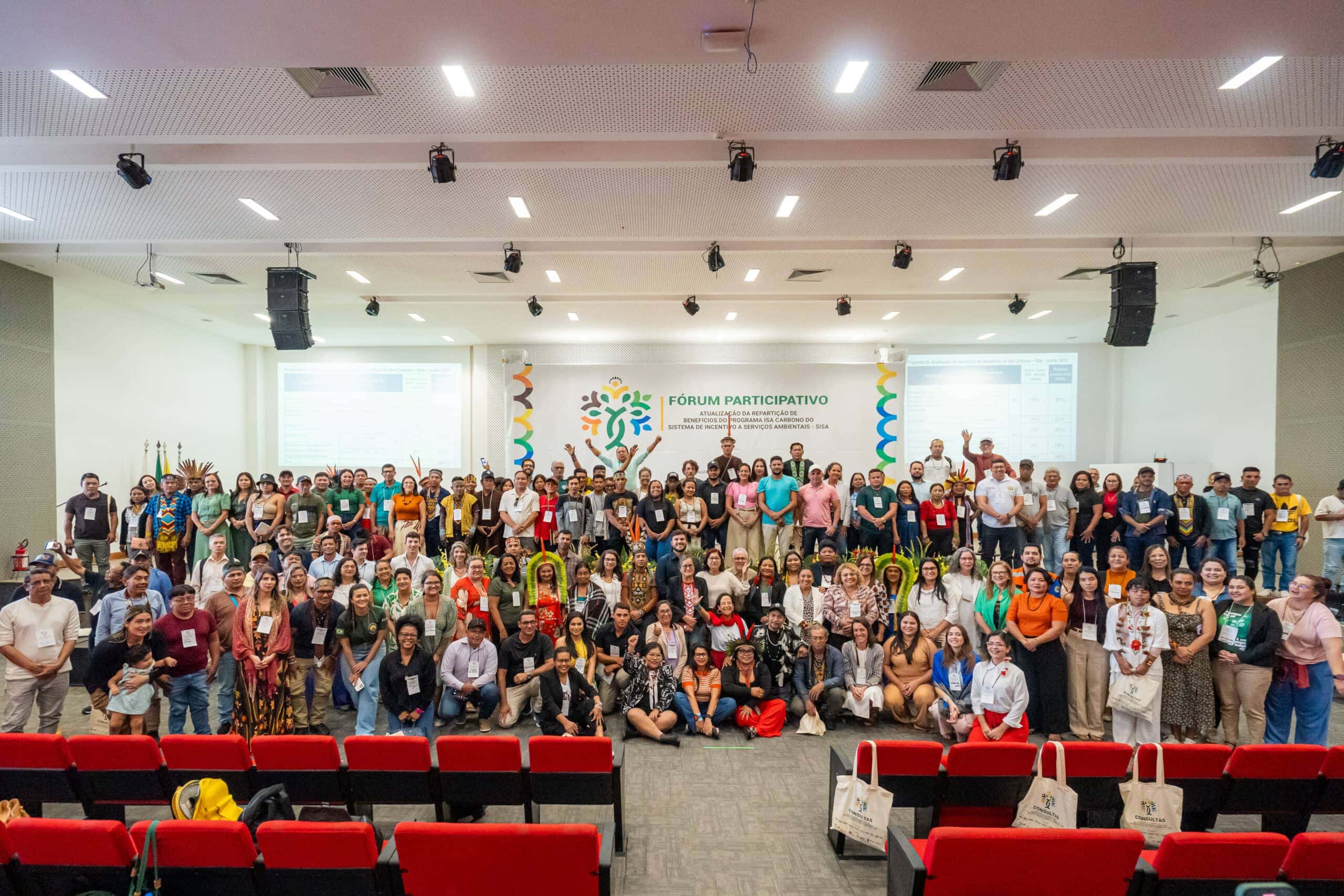
On August 6, 2025, Governor Gladson Cameli of Acre, Brazil, signed a landmark executive decree establishing the new Benefit Sharing Strategy for the state’s Jurisdictional REDD+ program. Below is a translated version of the original press release, shared courtesy of the Acre Government. (Original available here) Decree establishes new strategy for distributing benefits from the…
-
Zamora Chinchipe model for jurisdictional REDD+
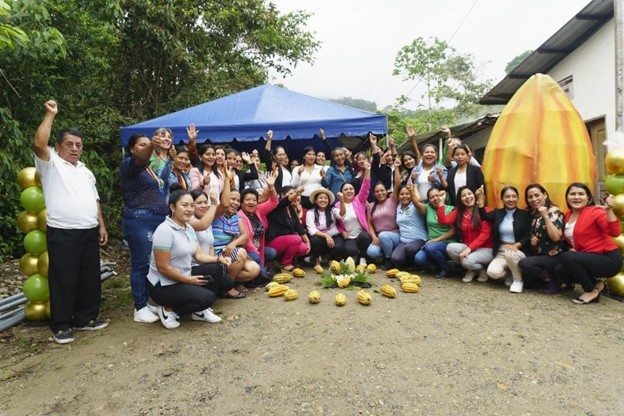
In March of this year, the province of Zamora Chinchipe, Ecuador, developed an inclusive model for the conservation and sustainable management of its forests, the second REDD+ Jurisdictional Plan in Ecuador after Pastaza. Both provinces are key members of the Governors’ Climate and Forests Task Force (GCFTF). The following press release was published on June…
-
Acre Completes Historic Benefits Sharing Plan
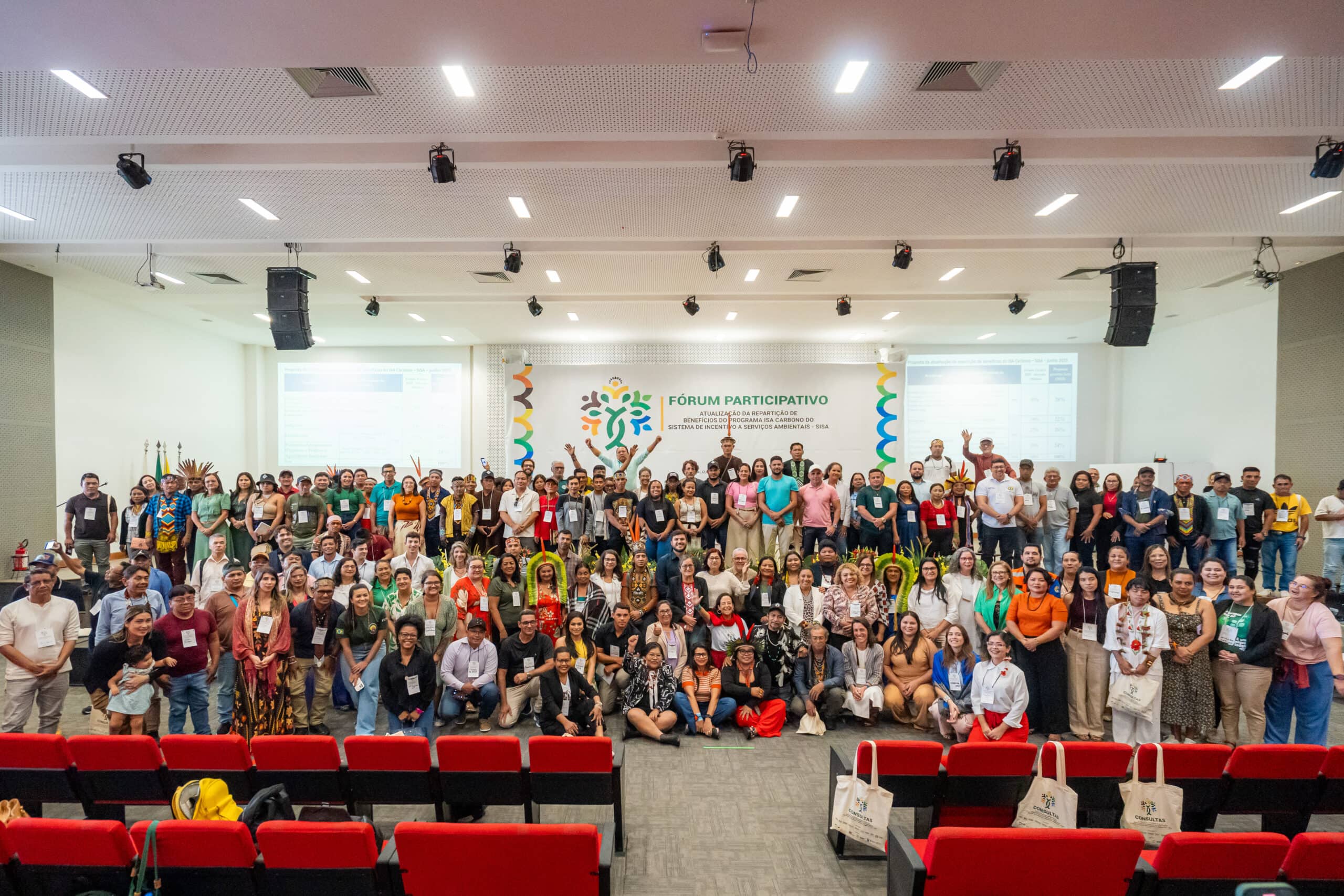
In a historic milestone, the government and representatives of indigenous peoples and traditional communities define new percentages for the distribution of benefits from the Isa Carbono program. The Governors’ Climate and Forests Task Force is posting the official announcement translated into English with permission from the Acre government. For the original Portuguese post, see here.…
-
The Amazon Platform Advances in the GCF Task Force
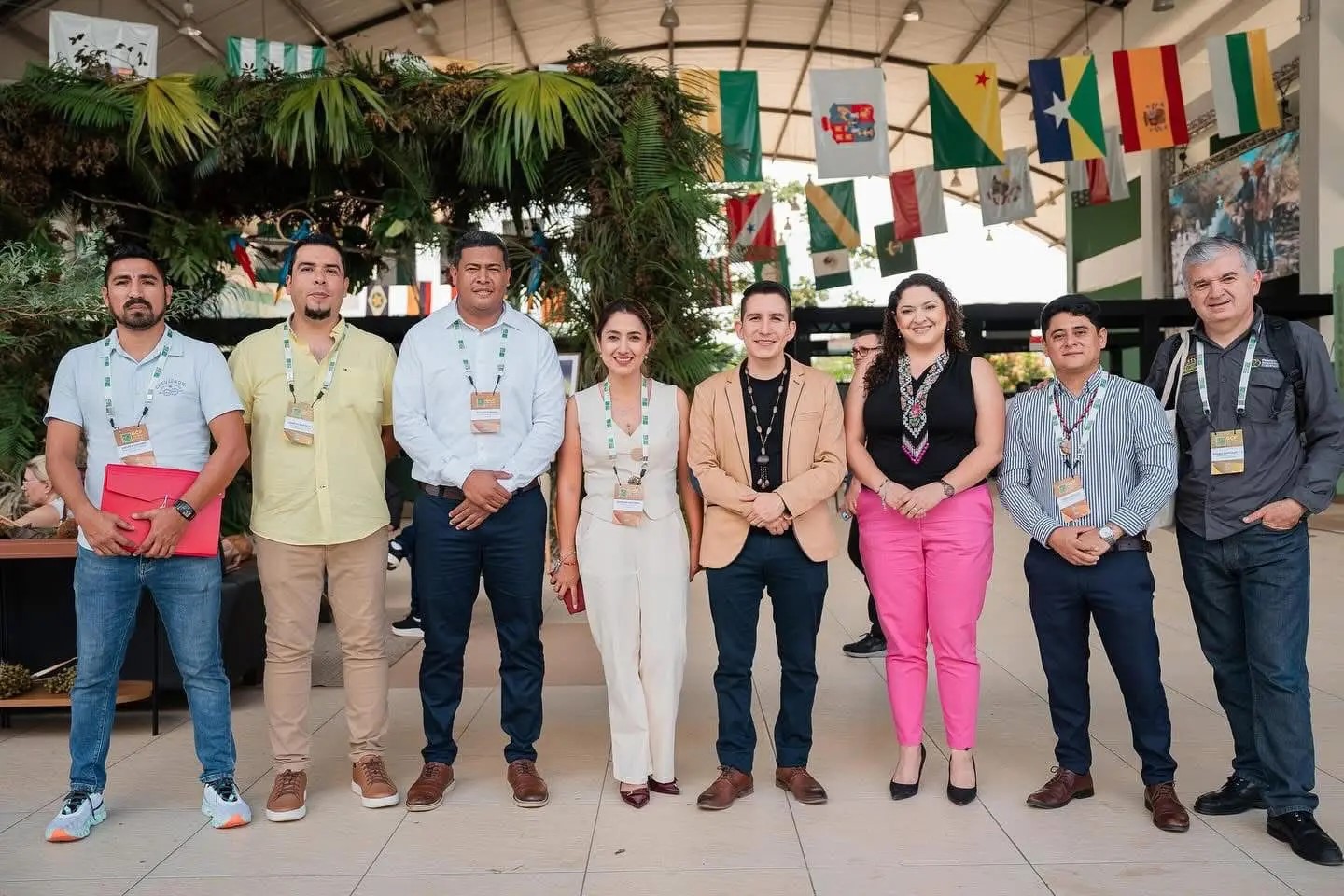
Progress, partnerships, and a collective voice from Rio Branco, Brazil From May 19 to 23, 2025, a distinguished delegation from the Ecuadorian Amazon actively participated in the 15th Annual Meeting of the Governors’ Climate and Forests Task Force (GCFTF), held in the city of Rio Branco, State of Acre, Brazil. The delegation was made up…
-
Happy World Environment Day
Thanks to all our jurisdictions, communities, and partners – we look forward to continuing to work hard together to build a New Forest Economy that protects people, planet, forests, and the climate.
-
GCF Task Force Meets to Build a New Forest Economy to Protect Standing Forests and Communities and Build Momentum to COP30
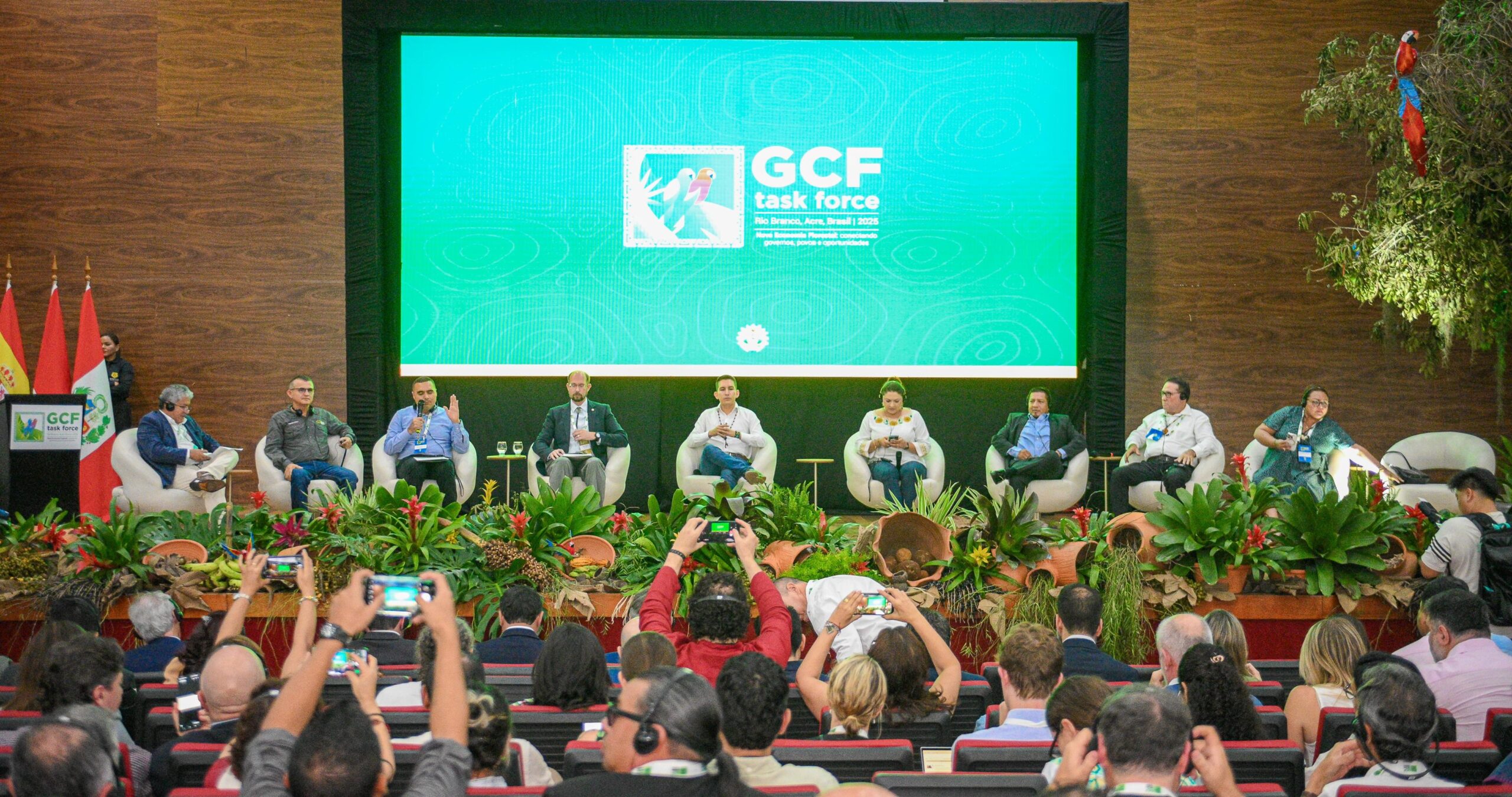
Subnational coalition of states and provinces convene to co-design mechanisms to support a thriving bioeconomy, protect natural infrastructure at jurisdiction-scale, build out sustainable supply chains, and foster large-scale restoration. Rio Branco, May 23, 2025 – The 15th Annual Meeting of the Governor’s Climate & Forests Task Force (GCFTF), the world’s largest subnational governmental network focused…