Governors and Delegates
Amazonas
Governor
Gilmer Horna Corrales
Delegates
Litman Ruíz Rodríguez
Manager of Economic Development
lruiz@regionamazonas.gob.pe
Huánuco
Governor
Antonio Leónidas Pulgar Lucas
Delegates
Luis Agusto Briceño Jara
Executive Director of the Amazon Regional Commonwealth
bricenojara@yahoo.com
La Libertad
Governor
Joana Cabrera Pimentel
Delegates
Frank Eduardo Sánchez Romero
Regional Manager of the Environment
fsanchezr@regionlalibertad.gob.pe
Loreto
Governor
Jorge René Chávez Silvano
Delegates
Jimmy Jonathan Cáceres Rios
Regional Manager of Planning, Budget and Public Investment
jcaceres@regionloreto.gob.pe
Roberto Ruíz Coba
Regional Manager of the Environment
roberto.ruiz@regionloreto.gob.pe
Madre de Dios
Governor
Lisett Sharon Revollar Caceres
Delegates
Luis Nieto
Regional Manager of Natural Resources and Environmental Management
luisnira16@gmail.com
Piura
Governor
Luis Ernesto Neyra Leon
Delegates
Pedro Antonio Valdiviezo Palacios
Regional Manager of Economic Development
pvaldiviezo@regionpiura.gob.pe
San Martín
Governor
Walter Grundel Jiménez
Delegates
Carlos Villavicencio Vásquez
Manager of the Regional Environmental Authority
cvillavicenciov@regionsanmartin.gob.pe
Tumbes
Governor
Avelina del Rosario Palacios Palacios de De Lama
Delegates
TBD
Ucayali
Governor
Manuel Gambini Rupay
Delegates
José Luis Vela Guerra
Regional General Manager
jvelaguerra@yahoo.com
Grober Panduro Pisco
Executive Director of the Regional Environmental Authority
ecologrober2012@hotmail.com
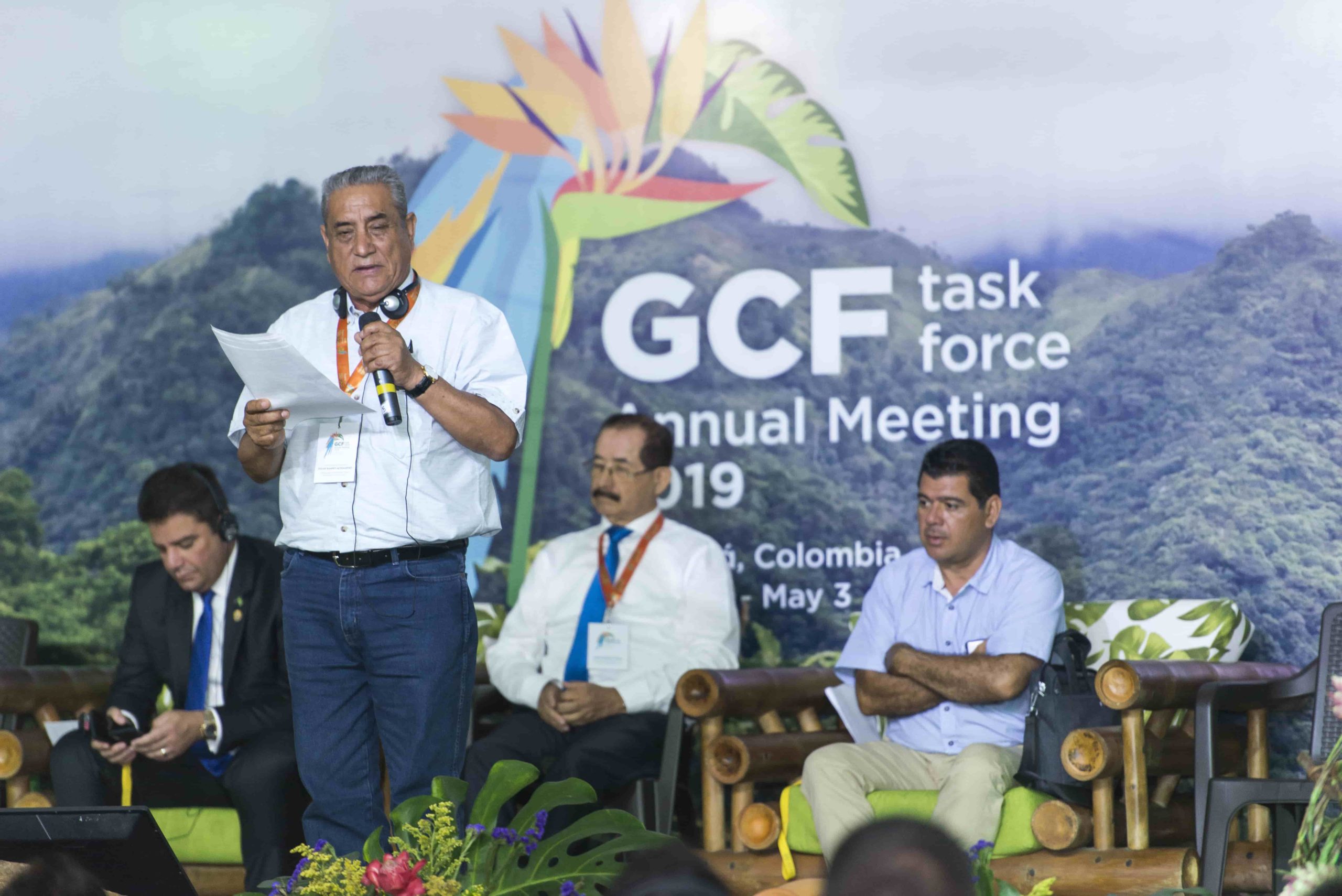
“The indigenous brothers are those who best preserve the forests and the water…. We must identify ways for greater involvement of these indigenous brothers in the conservation and development of forests.”
Oscar Altamirano Quispe, Former Governor of Amazonas, Peru
News from Peru
-
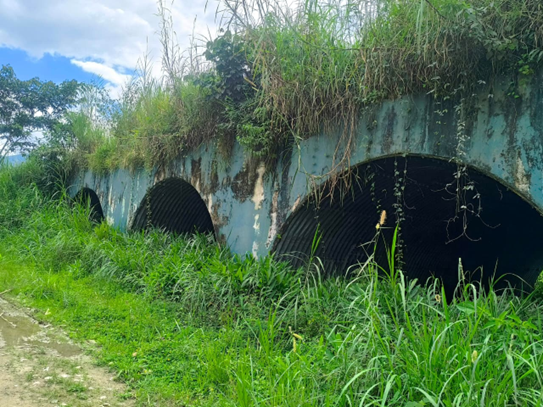
Building More Sustainable and Resilient Road Infrastructure in Zamora Chinchipe, Ecuador
-
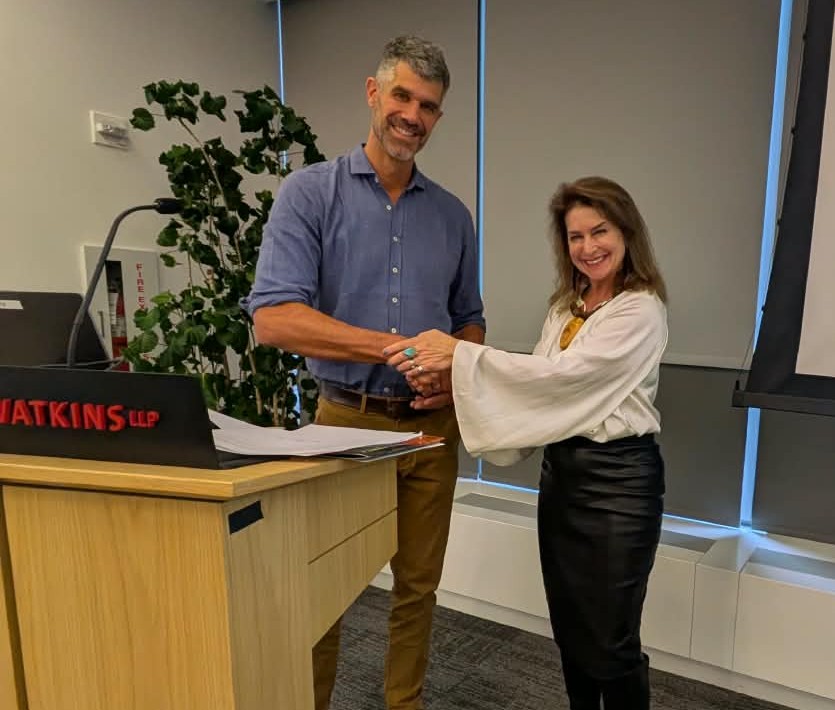
GCF Task Force and Earthworm Foundation Sign LOI
-
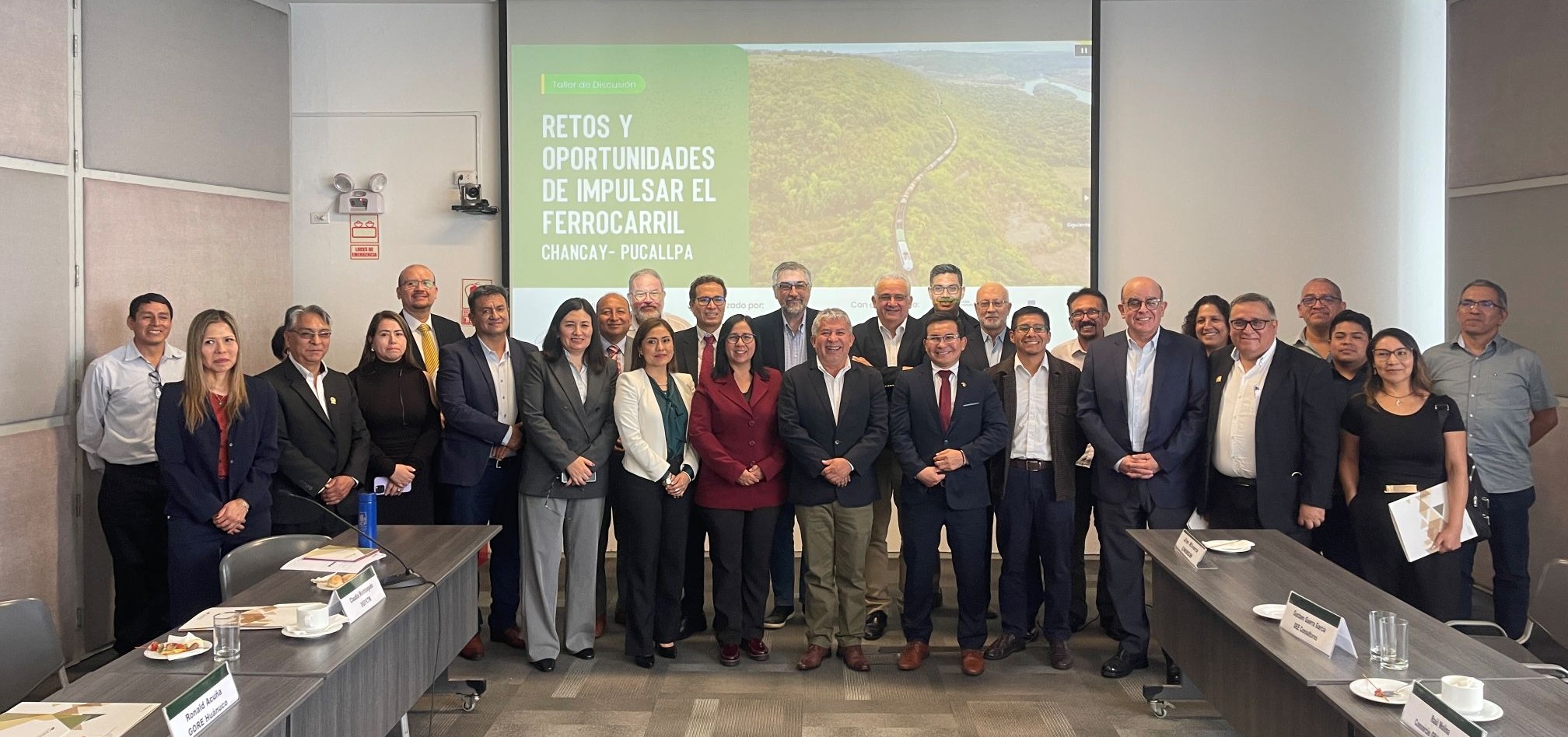
Chancay-Pucallpa Railway Technical Workshop
-
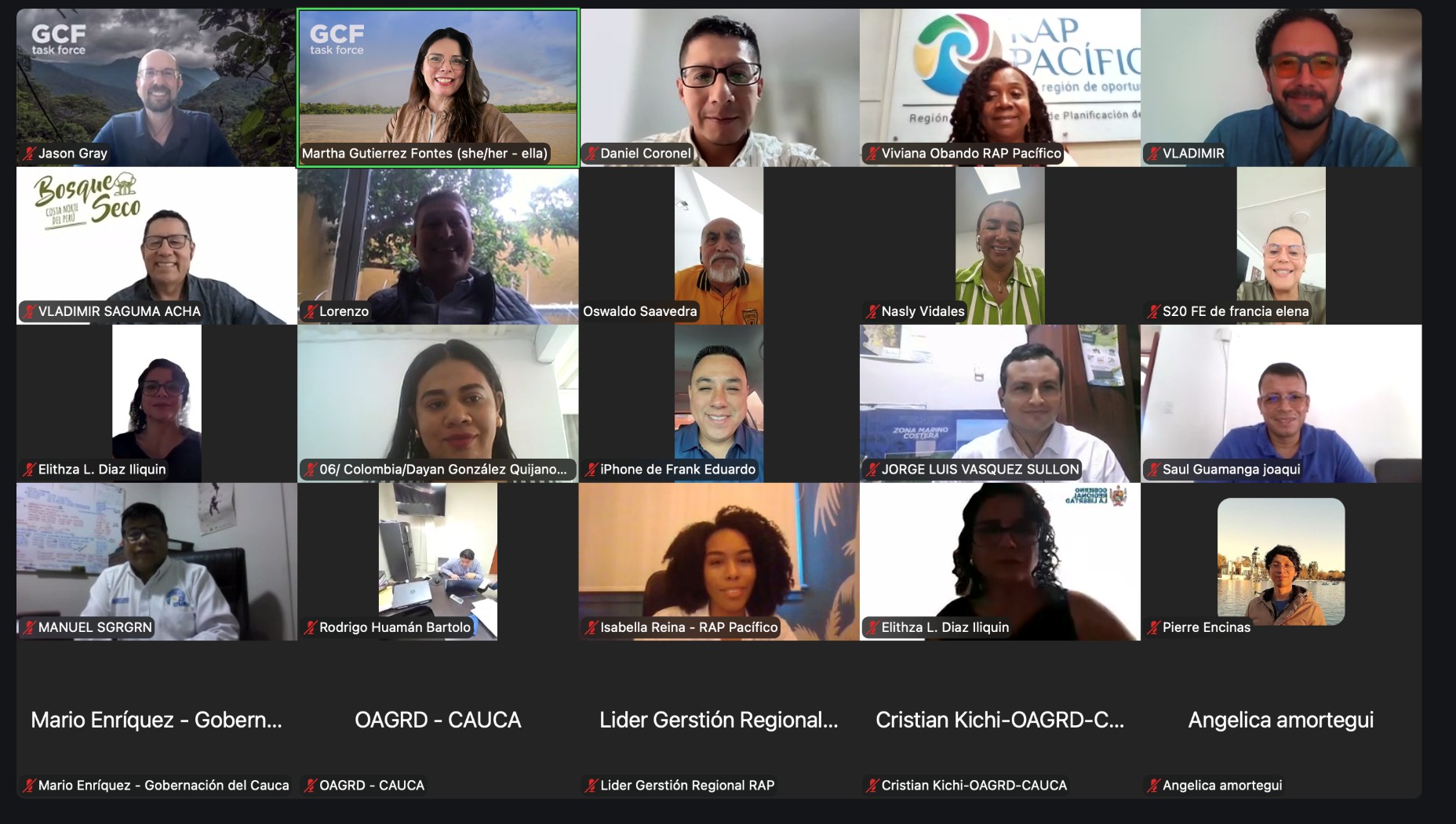
GCF Task Force Advances on Pacific Regional Alliance
-
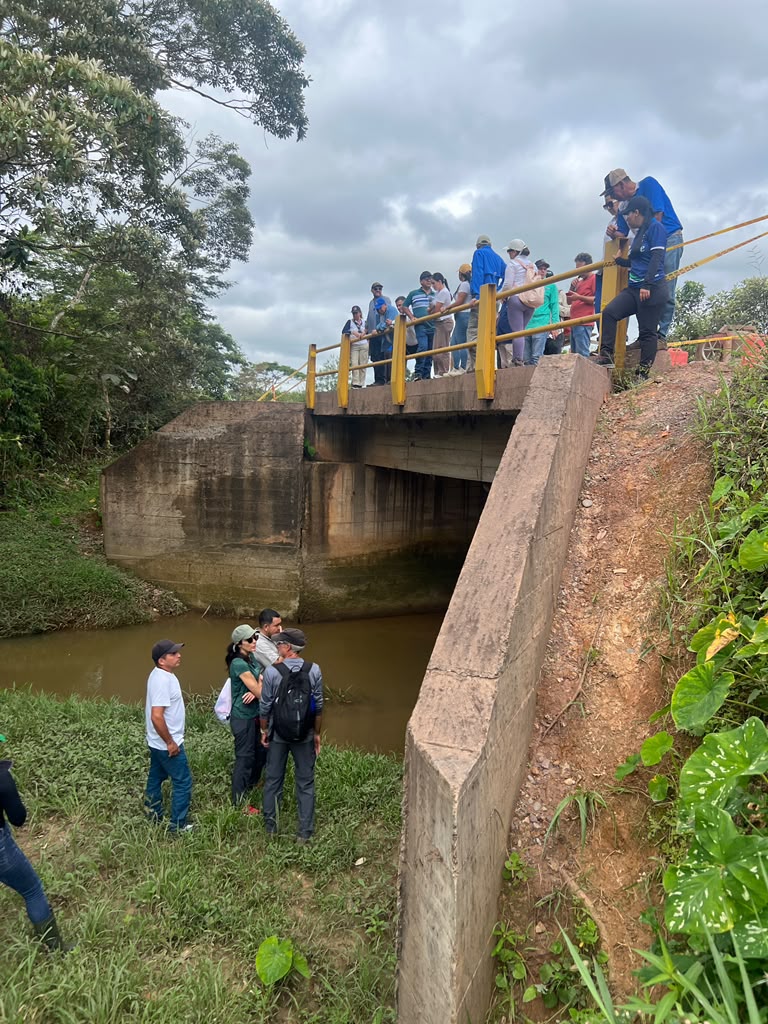
Connecting Communities and Markets: Exchanging Best Practices on Green Transportation Infrastructure Planning
-
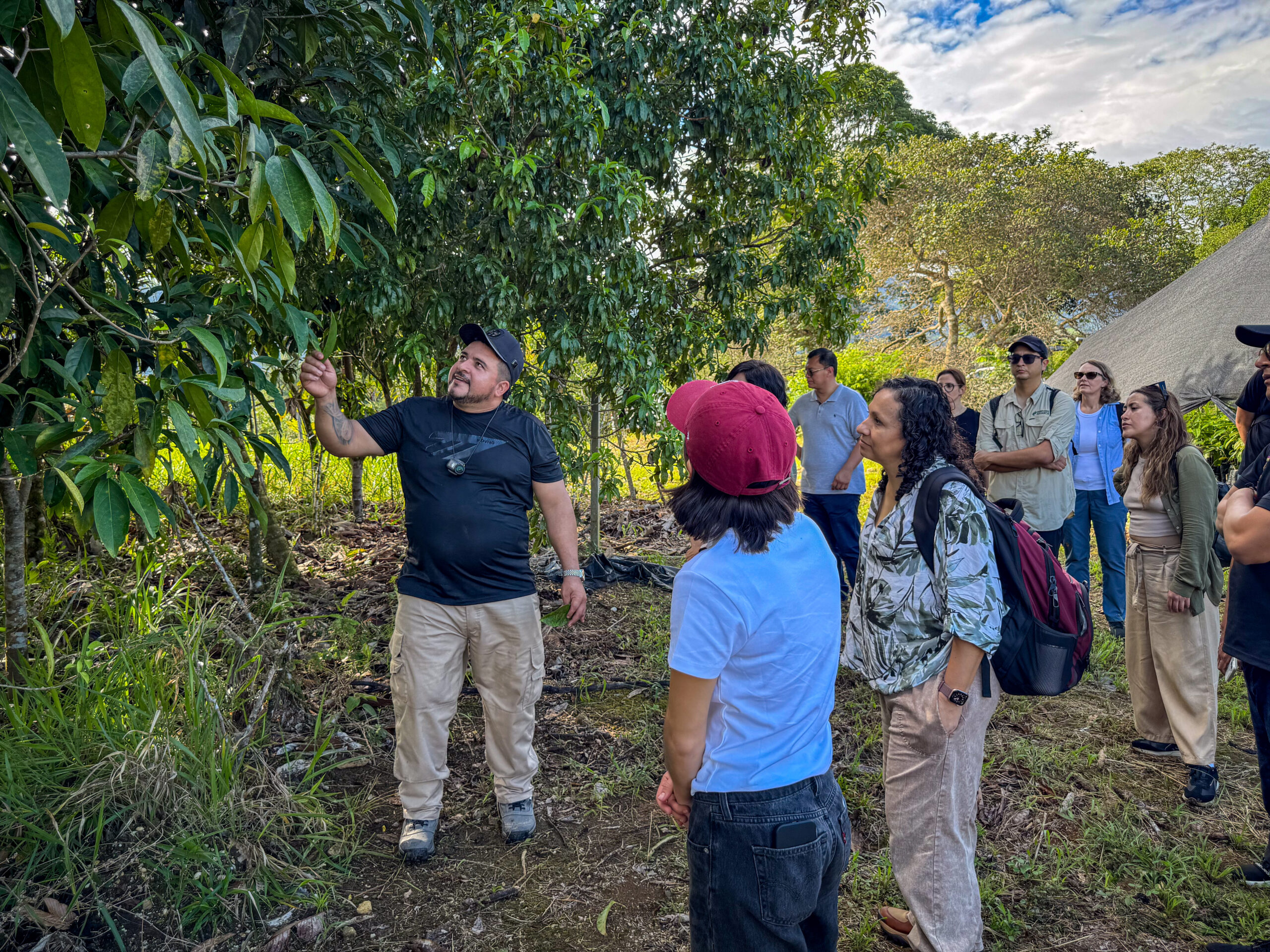
16th Annual Meeting – Field Visits
Agricultural Supply Chains
Coalition for Sustainable Production
The Coalition was launched in 2017 during the Amazon Expo in San Martín, Peru under the name “Public-Private Coalition.” GCF Task Force members have supported the design and creation process since its inception. In 2019, the Public-Private Coalition adopted the name “Coalition for Sustainable Production,” becoming a multi-stakeholder space that seeks to promote the development of sustainable jurisdictions and production chains free from deforestation in Peru. In 2020, the Coalition began an active institutional life, has a roadmap, its governance bodies and a sector action plan (in coffee, cocoa, palm, Amazonian fruits) through the jurisdictional sustainability initiative. Its main objectives are based on multi-stakeholder advocacy to address systemic problems in value chains and promoting a favorable framework for the development of sustainable businesses.
Regional Incentive Program
The regional incentives program seeks to empower the member governments of the GCF Task Force to implement public instruments that promote and develop sustainable business models. Its purpose is to develop 4 instruments in subnational jurisdictions: jurisdictional brands for committed actors, development of access to financing through regional funds, promotion of productive public-private alliances, and promotion and development of differentiated productive offerings.
Jurisdictional Sustainability Initiative (in partnership with TFA)
The alliance between the Tropical Forest Alliance and the GCF Task Force in Peru seeks to develop an intervention model to connect the private sector and value chains within the framework of low-emission rural development strategies. Processes will be facilitated so that the prioritized territorial units carry out the following actions: i) design a shared vision and action plan, with multi-stakeholder participation, based on jurisdictional strategies, ii) solutions are designed and dialogue is promoted to the implementation of commitments; iii) a public-private governance is installed and iv) a joint performance monitoring tool is in place. Likewise, this will be complemented in a transversal way in aspects such as the training of decision makers, systematization of a knowledge package and a national and global communication campaign. In a first stage, two intervention areas have been prioritized in Alto Huallaga, San Martin and Padre Abad, Ucayali.