Governors and Delegates
Campeche
Governor
Layda Elena Sansores San Román
Delegates
Jocelyn Durán Murrieta
Secretary of the Environment, Biodiversity, Climate Change and Energy
Jocelyn.duran@campeche.gob.mx
Alberto Escamilla Nava
Subsecretario de Medio Ambiente
esnsju@gmail.com
Chiapas
Governor
Eduardo Ramírez Aguilar
Delegates
Magdalena Torres Abarca
Secretary of Environment and Natural History
oficina.central@semahn.gob.mx
Jorge Constantino Kanter
Subsecretary of the Environment and Natural History
i.arredondo@semahn.gob.mx
Jalisco
Governor
Jesús Pablo Lemus Navarro
Delegates
Paola Bauche Petersen
Secretary of the Environment and Territorial Development
paola.bauche@jalisco.gob.mx
José Daniel Graf Peréz
Director General of Natural Resources
daniel.graf@jalisco.gob.mx
Michoacán
Governor
Alfredo Ramírez Bedolla
Delegates
Alejandro Méndez López
Secretary of the Environment
amendez.aml@gmail.com
Daniel Díaz Rodríguez
Directorate of Planning and Sustainability
sema.dospn@gmail.com
Oaxaca
Governor
Salomón Jara Cruz
Delegates
Karime Unda Harp
Secretary of Environment, Energy and Sustainable Development
karime.unda@oaxaca.gob.mx
Manelik Olivera Martínez
Head of the Department of Regularization for Sustainable Development
maneliko@yahoo.com.mx
Quintana Roo
Governor
María Elena Hermelinda Lezama Espinosa
Delegates
Óscar Alberto Rébora Aguilera
Secretary of Ecology and Environment
oscar.rebora@qroo.gob.mx
Gerardo Lagunes Gallin
Subsecretary for Environmental Culture, Planning, Regulatory Reform, and Archives
glagunes@me.com
Luis Antonio Mora Tembre
Director of Climate Change
lamt.qroo@gmail.com
State of Tabasco
Governor
Javier May Rodríguez
Delegates
Sheila Cadena Nieto
Secretary of Environment and Sustainable Development
sheilacadena@tabasco.gob.mx
Luis Giovanni Santos González
Undersecretary of the Environment and Natural Resources
luissantosg@tabasco.gob.mx
Yucatán
Governor
Joaquín Jesús Díaz Mena
Delegates
Neyra Concepción Silva Rosado
Secretary of Sustainable Development
neyra.silva@yucatan.gob.mx
Adrian Cataño Pérez
Director of Planning and Climate Change
adrian.catano@yucatan.gob.mx
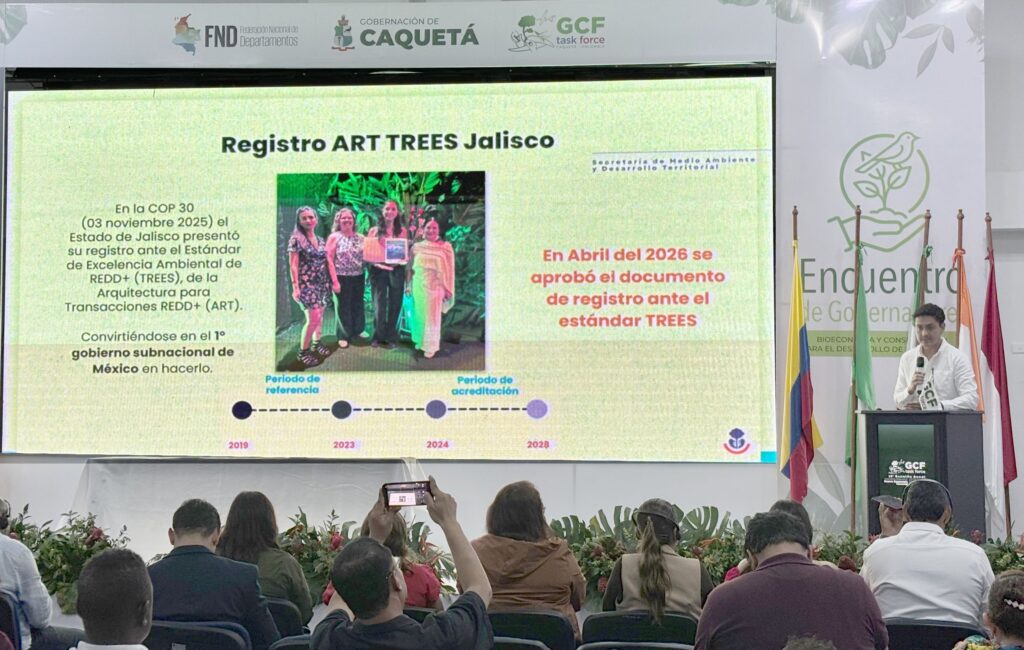
“The existence of the GCF Task Force and Jalisco’s participation in this initiative have been fundamental in diversifying and strengthening how environmental policy is designed and implemented. This space for dialogue, exchange of experiences, and collaborative development has become a catalyst for actions that contribute to transforming the realities of the territories, promoting biodiversity conservation, and generating tangible benefits for people’s well-being.”
José Daniel Graf Pérez, Director General of Natural Resources, Jalisco
News from Mexico
-
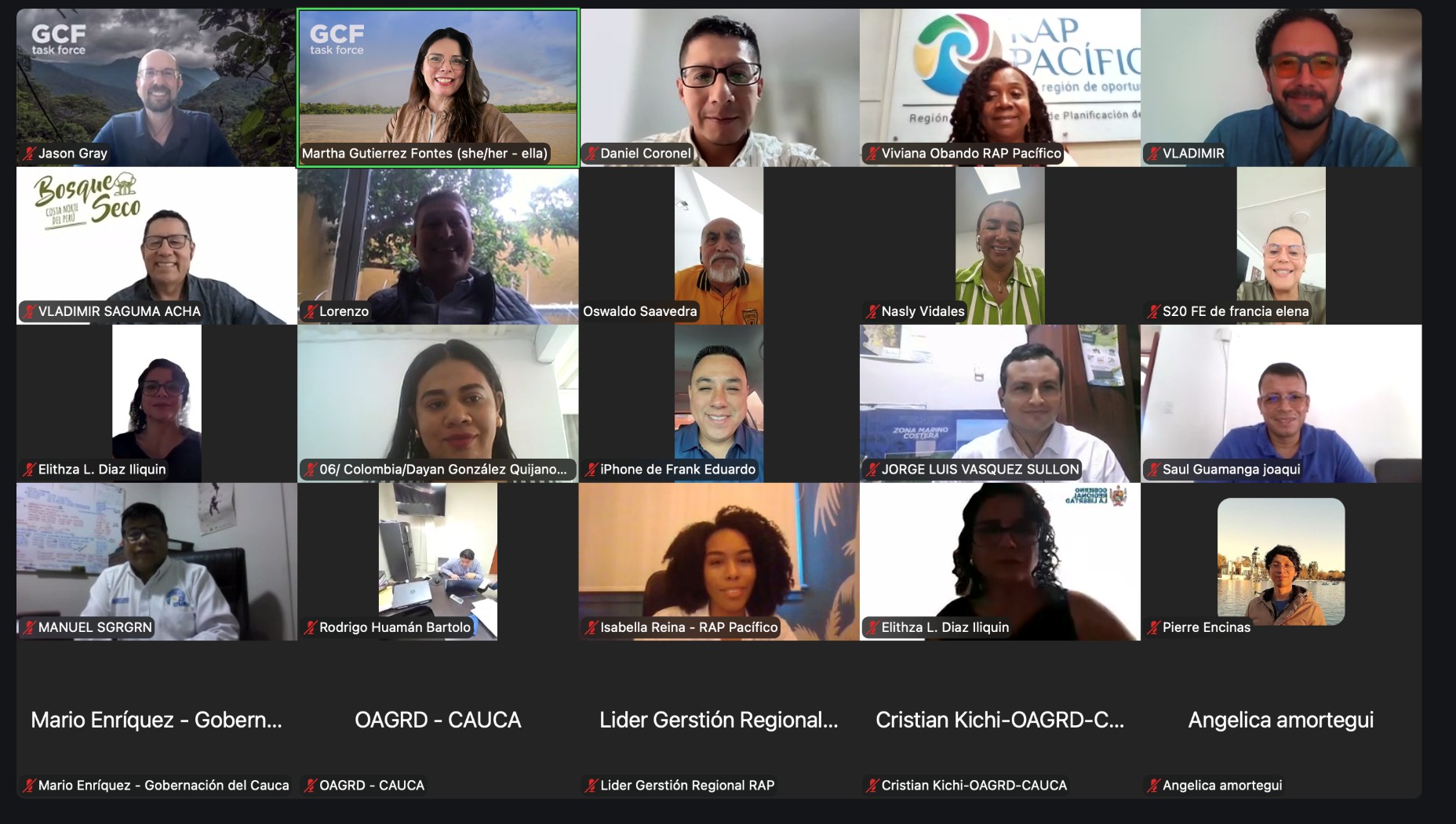
GCF Task Force Advances on Pacific Regional Alliance
-
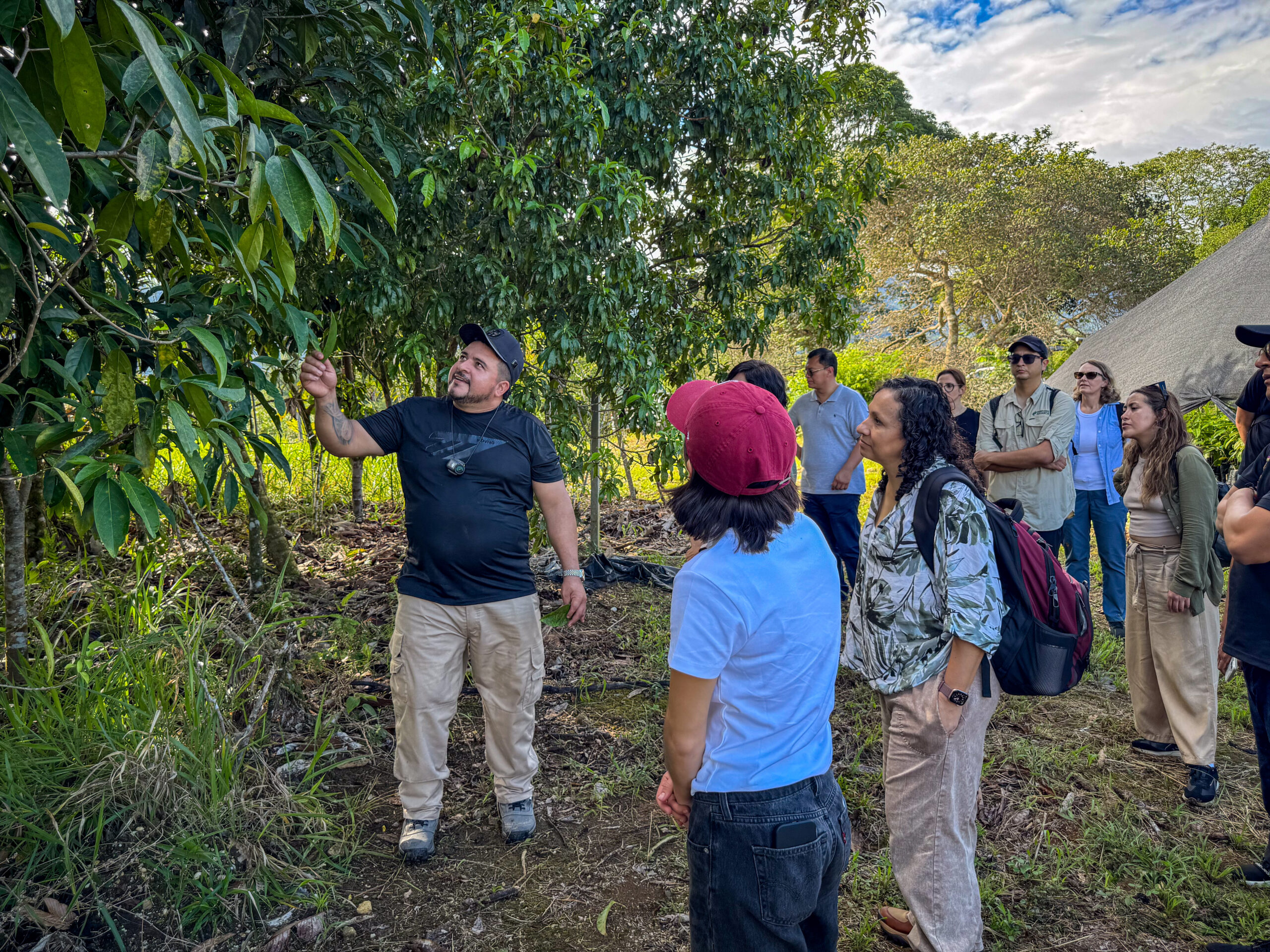
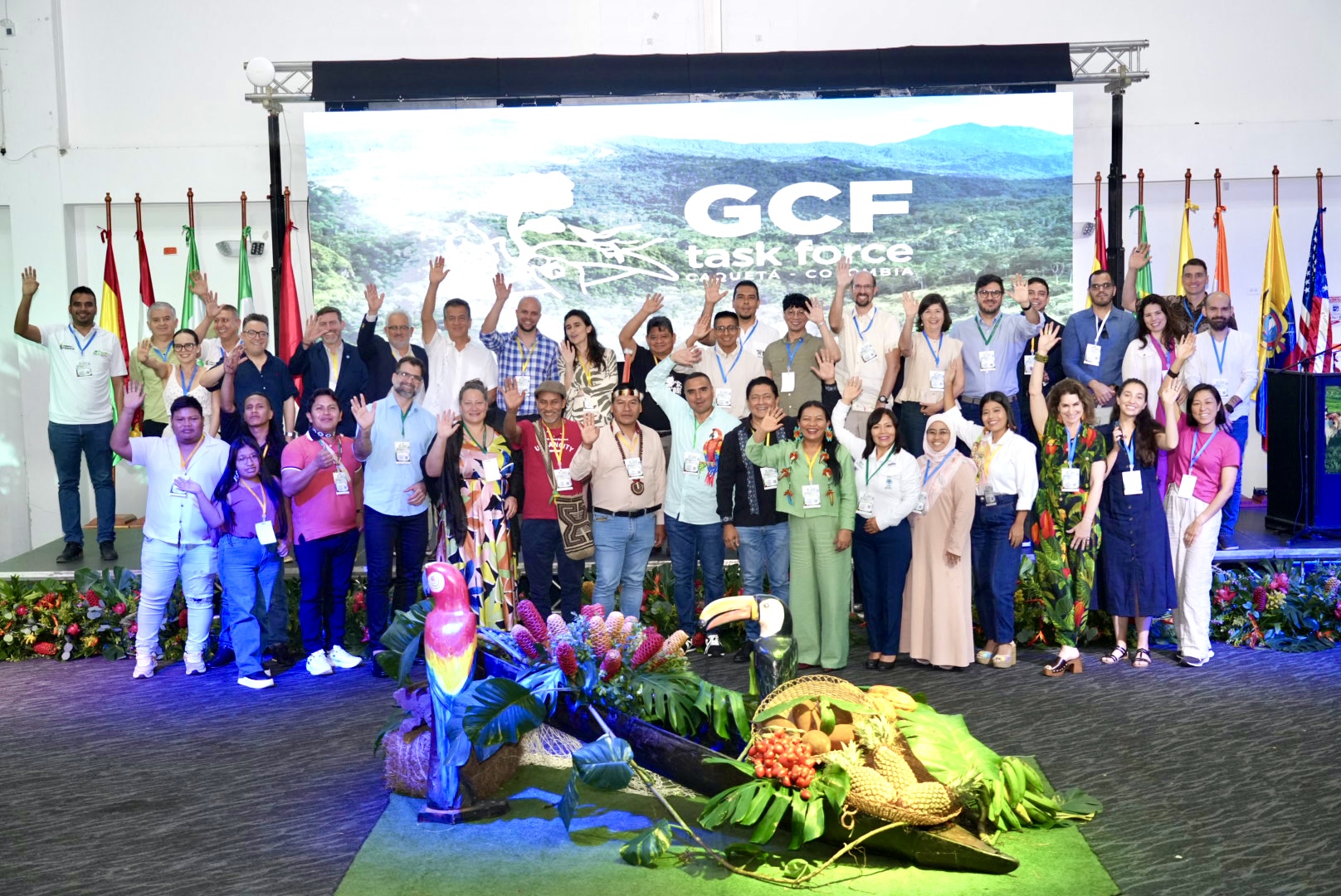
16th Annual Meeting – Field Visits
-
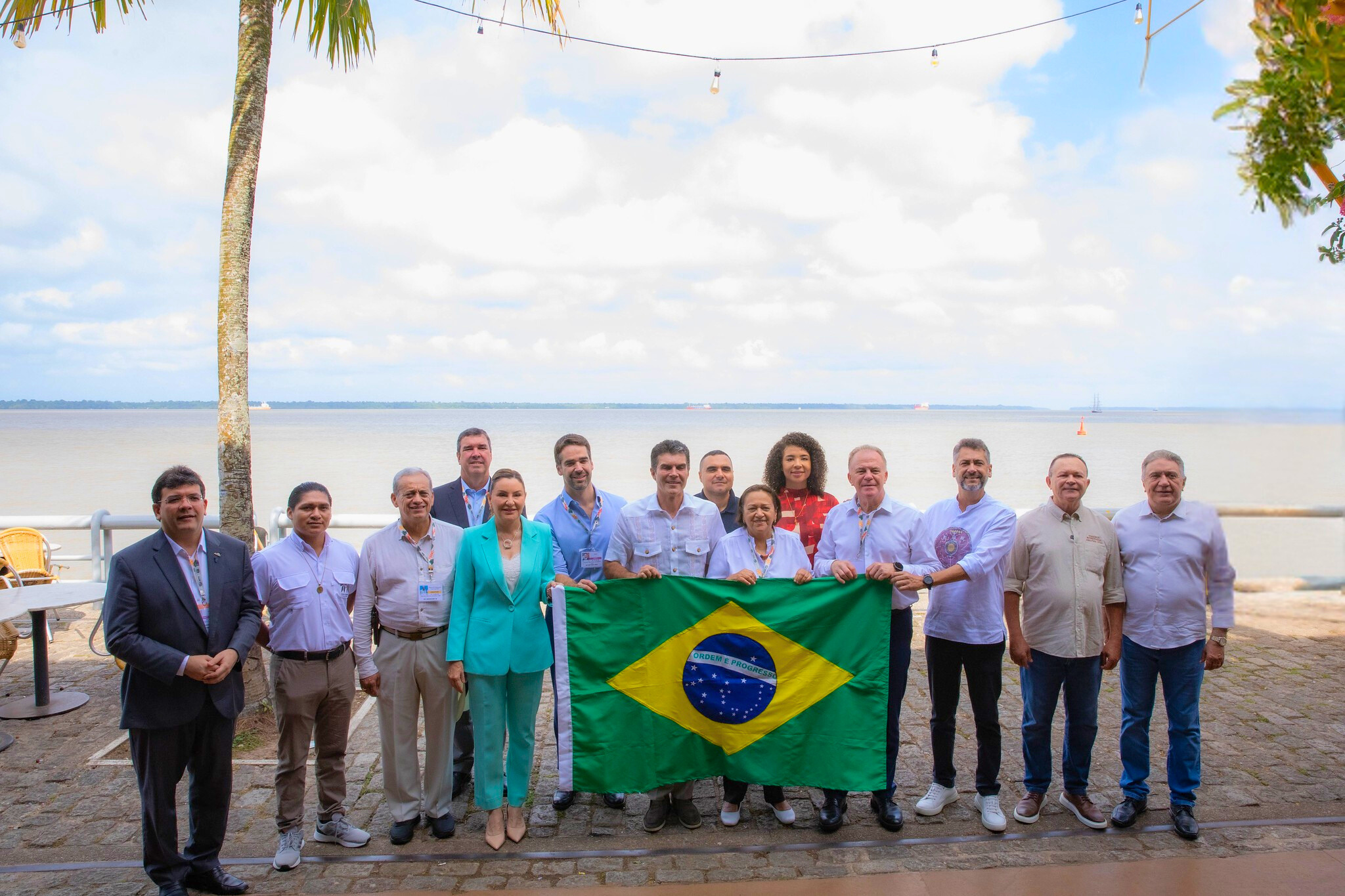
16th Annual Meeting Summary – Growing Network, Stronger Commitments
-
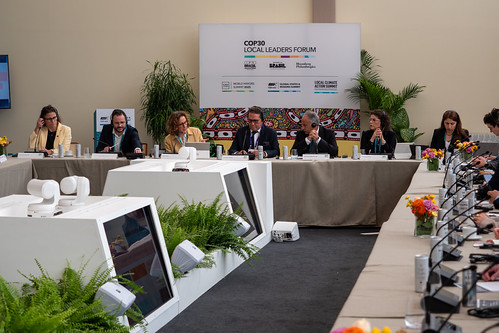
GCF Task Force at COP30 Highlights: Strong Subnational Leadership, Strengthening Partnerships, and Advancing New Agreements
-
Global States & Regions Summit in Rio
-
Video Release: Voices of the GCF Task Force 2025
Jurisdictional Strategies & Investment Plans
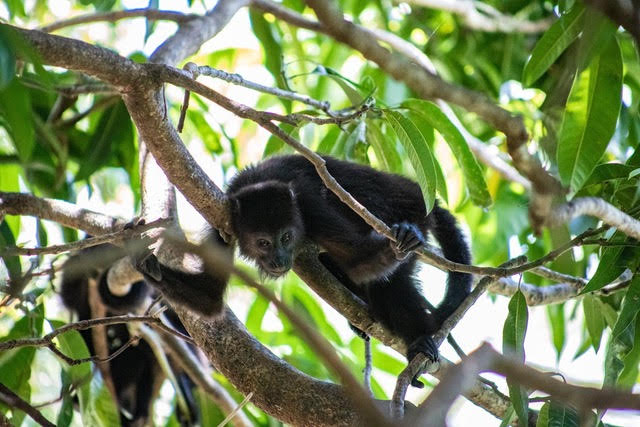
Campeche
State Investment Plans: Towards Strengthening REDD+ Implementation
The proposal aimed to implement the Campeche Jurisdictional REDD+ Strategy to address deforestation with short- and medium-term impact. The first goal was to mainstream the REDD+ agenda into other government sectors, such as finance and rural development. The second goal focused on improving the capacity of local actors and strengthening local governance to reduce deforestation.
Outcomes:
- Establishment of intersectoral coordination agreements for fire prevention and firefighting between federal, state, and municipal institutions;
- Implemented the Campeche State Fire Management Program (PEMFC), including a training process for extension agents to disseminate knowledge about firefighting and strengthen community leadership;
- Implementation of the PEMFC contributing directly to the reduction of emissions from deforestation caused by fires;
- Consolidation of environmental management units by developing three Local Ecological Management Plans (POELs), updating two, building capacity, and generating recommendations to ensure that the POELs are incorporated into municipal public policy.
Local Partner: The Nature Conservancy, Mexico
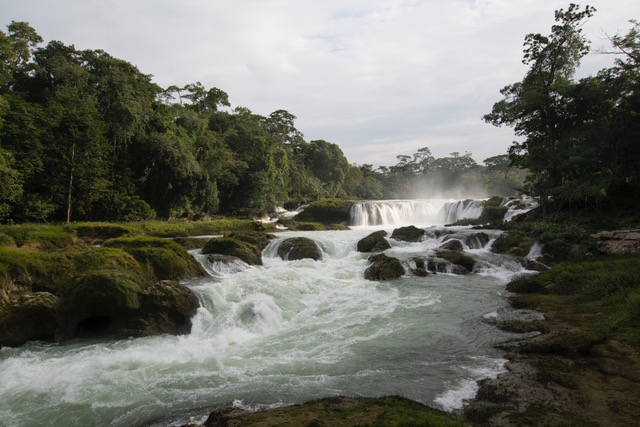
Chiapas
Investment Plans Transitioning to Sustainability: Resilient and Low-Emission Chiapas
Developing an investment plan for low-emission rural development and establishing strategic alliances with other government institutions and non-governmental organizations.
Outcomes:
- Development of a State Investment Plan;
- Development of two Regional Plans covering four regions of the State of Chiapas;
- Establishment of a public-private financial platform between the Secretariat of Environment and Natural History and the El Triunfo Conservation Fund;
- Coordination between the Secretariats of Environment and Agriculture to promote sustainable production processes.
Local Partner: The Nature Conservancy (TNC)
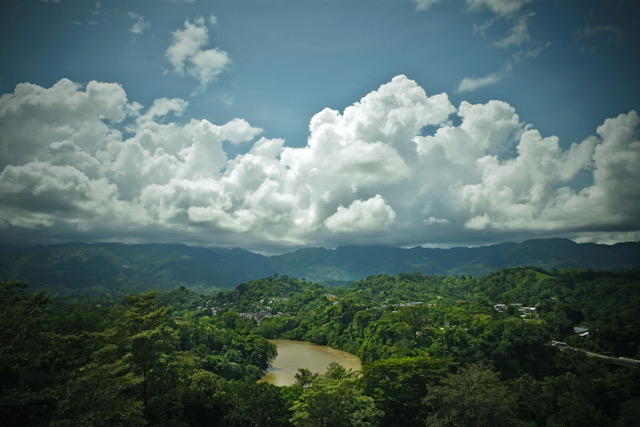
Tabasco
Development of a State REDD+ Strategy Tabasco
Developed the State Strategy for the Reduction of Emissions from Deforestation and Forest Degradation – Tabasco (EEREDD+ Tabasco), enabling the state to achieve emission reduction goals for the Land Use, Land Use Change, and Forestry (LULUCF) sector.
Outcomes:
- Update of the baseline for the EEREDD+ Tabasco;
- 16 thematic workshops conducted to generate information and establish consensus with sectors linked to REDD+;
- Installation of the working group and the Technical Advisory Council (CTC) of the EEREDD+ Tabasco;
- Final document of the State REDD+ Strategy for Tabasco approved and signed into law.
Local Partner: Conservation International Mexico
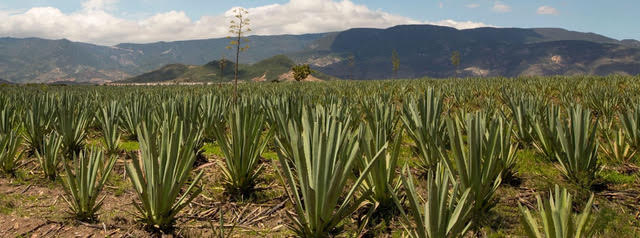
Oaxaca
Investment Plans for Low Emission Rural Development in the State of Oaxaca
This project aimed to support actions undertaken by the Government of the State of Oaxaca to promote the transition to low-emission rural development within the framework of the National REDD+ Strategy, contributing to compliance with Mexico’s Nationally Determined Contribution (NDC) and the Sustainable Development Goals (SDGs) of the 2030 Agenda.
Outcomes:
- Development of pilot projects for productive activities: agave-mezcal, sustainable livestock, coffee, and Milpa Intercalada;
- Consolidation of the Intersectoral Roundtable on Restoration to promote collaboration between the agricultural, forestry, planning, conservation, and development sectors;
- Development of a territorial planning methodology for the state, including proposals for functional landscape and restoration models and the definition of prioritization zones to maximize impact on sustainable development objectives;
- Updating the State’s REDD+ Strategy with forest degradation data.
Local Partner: International Union for Conservation of Nature (IUCN)
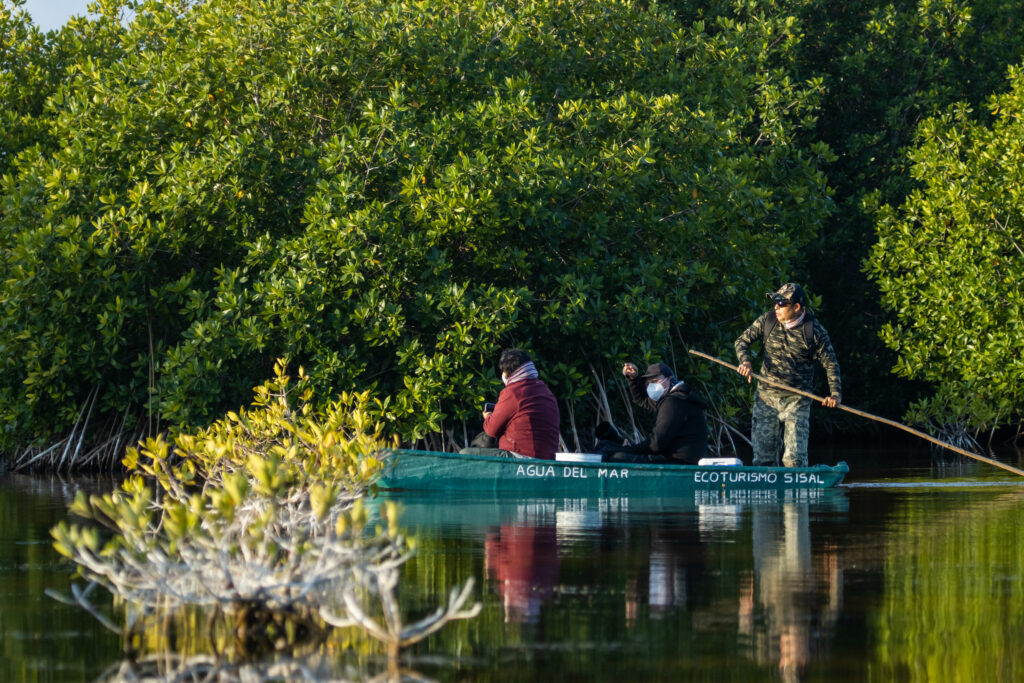
Yucatán
State Investment Plan: Towards Strengthening REDD+ Implementation in Yucatán, Mexico
Activities in Yucatán supported the implementation of the state REDD+ Strategy (EEREDD+) and strengthened REDD+ planning and governance at the local level through municipal planning and reinforcement of the Junta Intermunicipal Biocultural del PUUC (JIBIOPUCC).
Outcomes:
- Strengthening sustainable low-emission rural development in Yucatán through a plan for low-emission agribusiness;
- Building financial capacities and mechanisms to implement and monitor the Investment Program under the Emission Reduction Initiative (ERI) in JIBIOPUCC;
- Strengthening REDD+ results (emissions and deforestation) monitoring and reporting architecture through alignment with the national system;
- Development of Local Ecological Management Plans (POELs) in Tekax and Oxkutzcab;
- Gender mainstreaming in Window A activities.
Local Partners: The Nature Conservancy (TNC) and the Secretary of Sustainable Development (SDS)