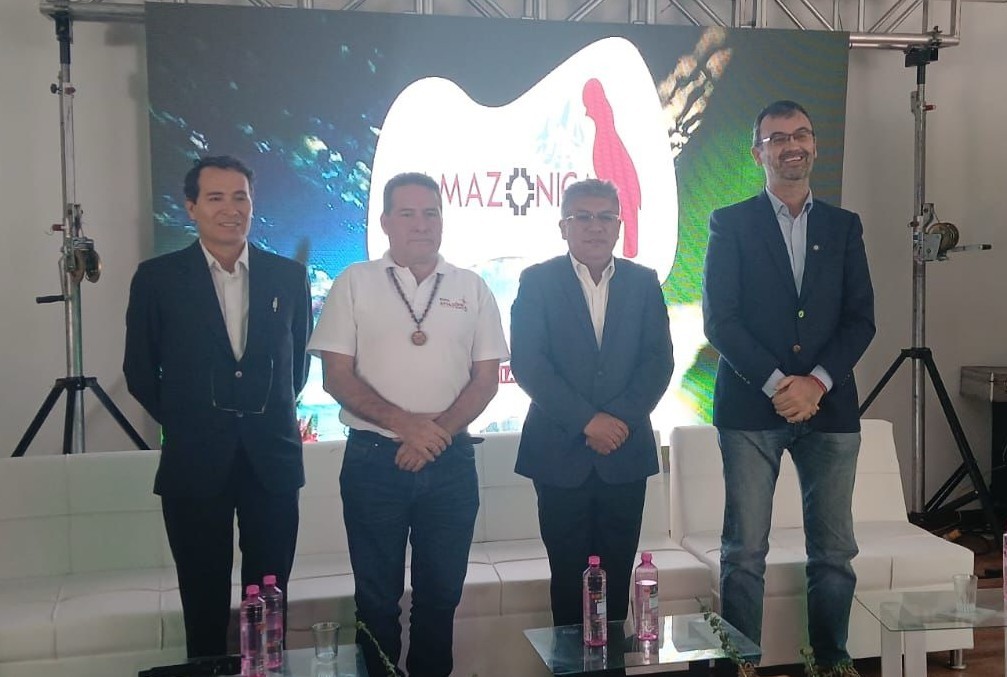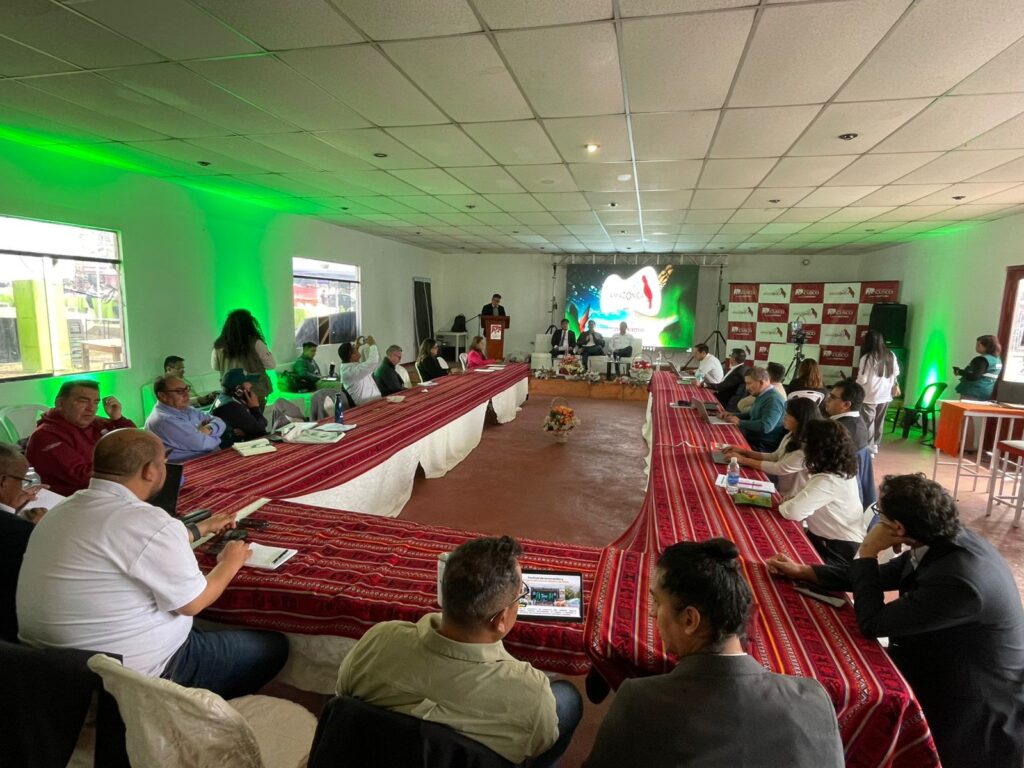
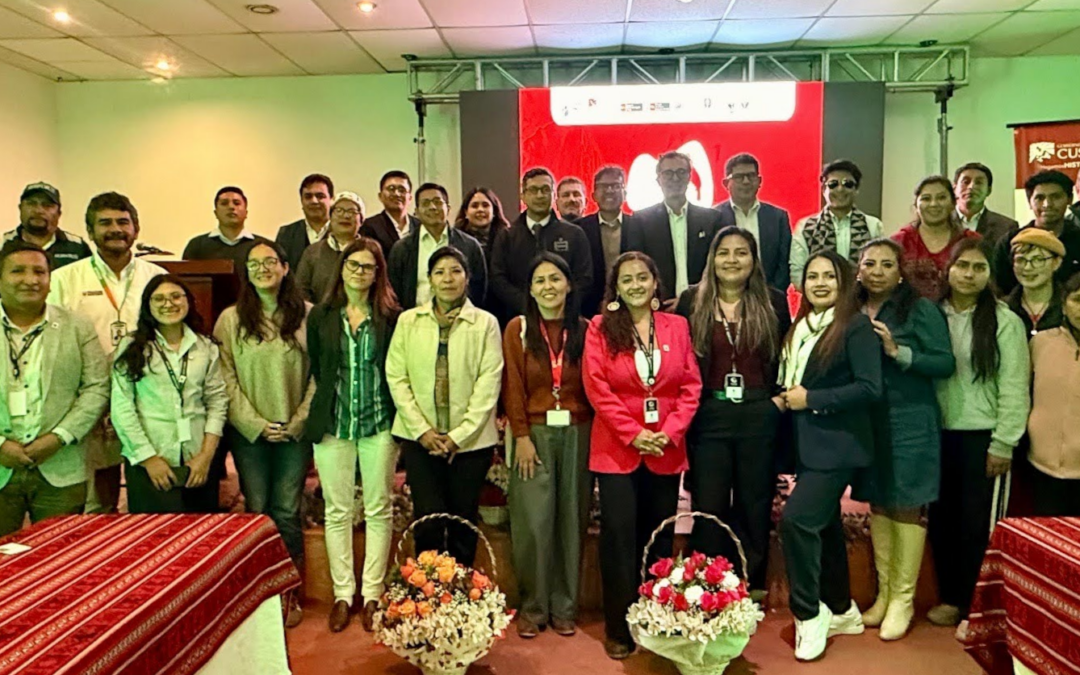
Within the framework of Expo Amazónica Cusco 2026, the active participation of the subnational governments of the GCF Task Force in Peru — which are also members of the Amazonian Regional Commonwealth — was highlighted as they analyzed and established guidelines for the development of the bioeconomy, regenerative agriculture, sustainable connectivity, and the Indigenous economy, among other topics.
During the thematic forums held at Expo Amazónica Cusco 2026, national authorities, regional governments, Indigenous organizations, international cooperation agencies, academia, civil society, and the private sector discussed the main challenges and opportunities facing the Amazon.
The Amazonian Regional Commonwealth was reaffirmed as a fundamental political and institutional platform for coordinating efforts among regions and with the National Government to advance toward a New Forest Economy. This vision seeks to integrate sustainable production, forest protection, and the inclusion of local communities and Indigenous Peoples by articulating deforestation-free value chains, climate finance, productive innovation, and biodiversity conservation.
Within this agenda, the contribution of technical allies and specialized organizations was especially relevant. WWF Peru and MDA promoted the dialogue on regenerative agriculture and livestock, aimed at encouraging productive practices compatible with forest conservation. Profonanpe participated in spaces related to bioeconomy and finance, highlighting the importance of channeling resources toward bio-businesses and sustainable enterprises. Likewise, the WCS–TNC–GRADE Consortium promoted the forum “Connecting the Amazon,” focused on sustainable infrastructure, digital connectivity, and territorial planning. In addition, Amanatari and Grupo Perú emphasized the importance of rights allocation processes and the development of the Indigenous economy in the Peruvian Amazon.
More than 50 institutions and 200 key decision-makers from the public and private sectors and civil society participated in these dialogues, workshops, and forums. From the Peru Coordination of the GCF Task Force, the commitment was reaffirmed to continue supporting Amazonian regional governments in building shared agendas that connect public policy, finance, markets, and territorial action.