Caquetá: the Green Treasure of Colombia
Located in the heart of the Colombian Amazon, the department of Caquetá demonstrates that it is possible to move towards a development model that combines forest conservation, sustainable production and well-being for rural communities.
Over the past few decades, the region has faced significant challenges related to the expansion of the agricultural frontier, deforestation, and limited economic opportunities for rural populations. In recent years, however, various initiatives driven by the government of Caquetá, communities, local organizations, public institutions, research centers, and international cooperation agencies have begun to consolidate new development alternatives based on the sustainable use of Amazonian biodiversity.
In this context, the GCF Task Force 16th Annual Meeting in Caquetá offers the opportunity to learn about eight concrete experiences that show how the Amazonian territories are moving towards a New Forest Economy.
This approach promotes a development model that integrates:
- Bioeconomy, based on the sustainable use of Amazonian biodiversity.
- Natural Infrastructure, recognizing forests as essential systems for climate, water and the productivity of the territory.
- Restoration of degraded landscapes, to recover the ecological functionality of ecosystems.
- Sustainable Commodities, which seek to improve productivity in already impacted areas while avoiding the expansion of the frontier into the forest.
The field visits allowed participants to learn about initiatives that integrate these principles at different scales of the territory, including:
- Nature tourism and forest conservation
- Bioeconomy based on Amazonian products
- Agroforestry systems and productive restoration
- Sustainable livestock farming
- Ecological restoration
- Peacebuilding, reintegration initiatives and green economies
- Research and innovation for the Amazon bioeconomy
Participants were able to engage in direct dialogue with producers, communities, researchers, and local organizations, who are leading territorial transformation processes that demonstrate that economic development and the conservation of Amazonian forests can advance together.
The GCF Task Force Field Day in Caquetá seeks precisely to highlight these experiences and open a space for exchange on how subnational governments, communities and international allies can accelerate the transition to a New Forest Economy for the Amazon.
Field Visit Routes
Each of these 8 experiences illustrates how Caquetá is building development alternatives compatible with the protection of the Amazon rainforest, providing relevant lessons for other tropical regions of the world.
1. La Avispa Waterfall
Nature, Water, and Forest Conservation
La Avispa Nature and Ecotourism Reserve, located approximately 30–40 minutes from Florencia, is a conservation area of about 232 hectares of Amazon rainforest, where nature tourism has become a tool to promote environmental education and the protection of the territory.
The tour began with a guided walk along natural trails that lead to the Ingerí Canyon, where the El Avispón and La Avispa waterfalls are located, natural formations of approximately 55 and 45 meters in height that feed pools of crystal clear water in the middle of the Amazon rainforest.
During the visit, participants learned about the richness of the Amazonian ecosystem and how local responsible tourism initiatives contribute to forest conservation, the protection of water sources, conservation strategies and environmental education in natural areas, and the generation of economic opportunities for rural communities.
Beyond its scenic beauty, the reserve represents an example of how natural ecosystems can become a basis for sustainable territorial development models, based on the conservation and responsible use of natural heritage.
New Forestry Economy Building Blocks:
– Natural Infrastructure: Conservation of forests and water sources that regulate the climate and sustain local ecosystems.
– Bioeconomy : Development of nature tourism as a sustainable economic alternative based on natural heritage.
2. Paraíso Amazónico
Nature Tourism, Amazonia Culture, and Land Restoration
In the heart of the Colombian Amazon lies the Paraíso Amazónico Nature and Ecotourism Reserve, a space that integrates forest conservation, ecological restoration, and nature tourism as a strategy for sustainable land development. This territory is characterized by cloud forest ecosystems, exceptionally pure water sources, and high biodiversity, which together form a landscape where the interaction between nature and Amazonian culture is fully expressed. The experience offers insight into how local initiatives have successfully integrated tourism with conservation efforts, environmental education, and the strengthening of food sovereignty.
During the field visit, participants connected with cultural practices unique to the Amazon region, where ancestral knowledge, the relationship with Mother Earth, and rural traditions are integrated into an experience that combines local cuisine, environmental interpretation, and hands-on experiences in the forest. Beyond its scenic value, Paraíso Amazónico represents a model of tourism that contributes to forest protection, ecological restoration, the generation of sustainable income, and the appreciation of the region’s cultural and natural heritage.
New Forestry Economy Building Blocks:
– Bioeconomy: Development of nature-based tourism and cultural experiences as an economic alternative based on the sustainable use of natural and cultural heritage.
– Natural Infrastructure: Conservation of strategic ecosystems that regulate water and climate and sustain the territory’s biodiversity.
3. Caquetá Cheese Route
Sustainable Livestock Farming and Territorial Value
The Caquetá Cheese Route is an agro-ecological tourism and rural development initiative that highlights Caquetá Cheese, the first Colombian cheese with a Denomination of Origin.
During the field visit, participants visited cattle farms that have incorporated sustainable livestock practices, aimed at improving the productivity of production systems without expanding the agricultural frontier into primary forests.
Visitors learned firsthand about the traditional processes of making dairy products such as quesillo, double cream cheese and salted chopped cheese, as well as the organizational experiences of rural producers and commercial strategies to strengthen value chains that have allowed these products to be positioned with territorial identity.
This initiative connects more than 1,500 producer families in the department, strengthening rural economies and promoting productive practices compatible with conservation of the Amazonian landscape.
New Forestry Economy Building Blocks:
– Sustainable Intensification: Improvement of livestock productivity in areas already developed to avoid expansion into the forest.
– Bioeconomy : Valorization of territorial products with identity and designation of origin.
4. Agroforestry and Meliponiculture
Pollinators of the Amazon Rainforest
Participants learned about an agroforestry system of Amazonian fruit trees associated with meliponiculture, where agricultural production is integrated with the breeding of native stingless bees, which are fundamental to the health of Amazonian ecosystems.
During the tour, participants visited a demonstration farm where a production system has been established that combines Amazonian fruit species, native trees and associated crops, creating a model that integrates production, biodiversity and forest conservation.
This route showcased the operation of meliponaries, where native bees are raised to strengthen forest pollination, maintain biodiversity, and improve the productivity of agroforestry systems. Participants observed the hives and learned about the management process and the ecological and economic value of these pollinators.
The visit will also allow for an analysis of the bioeconomy and how these systems contribute to diversifying the income of rural families through the production of honey, propolis and other derivatives with high value in specialized markets.
New Forestry Economy Building Blocks:
– Bioeconomy: Production of honey and derivatives from native bees with high value in specialized markets.
– Restoration: Agroforestry systems that integrate trees, crops and biodiversity to recover ecological functions of the landscape.
5. Agroforestry Systems of Copoazú – Agrosolidaria
Food Forests and Solidarity Economy
Participants learned about the experience of Agrosolidaria Florencia, an organization that brings together more than 250 rural producers, who have developed agroforestry systems based on Amazonian species such as copoazú, arazá, sacha inchi and açaí.
Through their “Food Forests” initiative, the producers have promoted production models that integrate trees, crops and biodiversity, taking advantage of the natural richness of the Amazonian soil and contributing to the recovery of productive landscapes.
During the experience, visitors toured agroforestry plots where different species of the Amazon rainforest are combined and learned how these systems generate sustainable income without the need to expand the agricultural frontier.
The tour also included a visit to the Copoazú processing plant, where food and value-added products are made, as well as supplies for the cosmetics industry based on Amazonian ingredients.
Participants learned about:
- Agroforestry systems with Amazonian species
- Models of rural solidarity economy
- Processes for transforming Amazonian products
- Value chains of the Amazonian bioeconomy
New Forestry Economy Building Blocks:
– Bioeconomy : Development of value chains based on products from the Amazon rainforest.
– Restoration: Implementation of agroforestry systems that recover degraded soils and productive landscapes.
6. ETCR Agua Bonita
Reintegration and Sustainable Economies
The Agua Bonita Territorial Training and Reintegration Space (ETCR), located in the municipality of La Montañita, is a representative experience of the reintegration process of signatories of the Peace Agreement in Colombia.
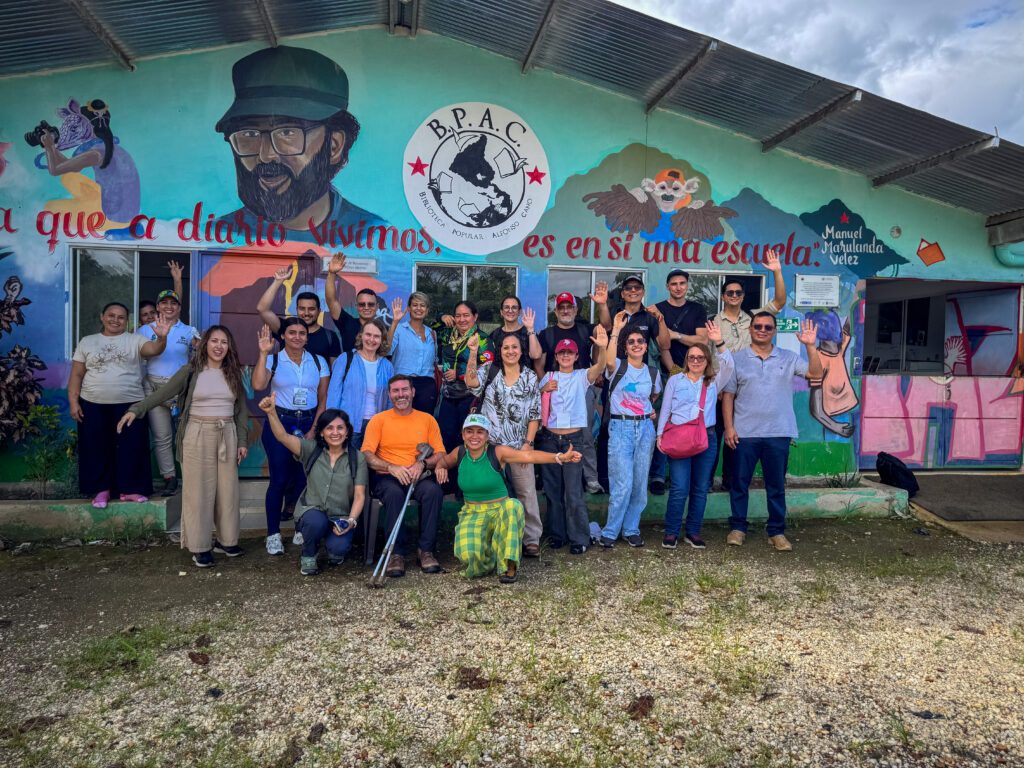
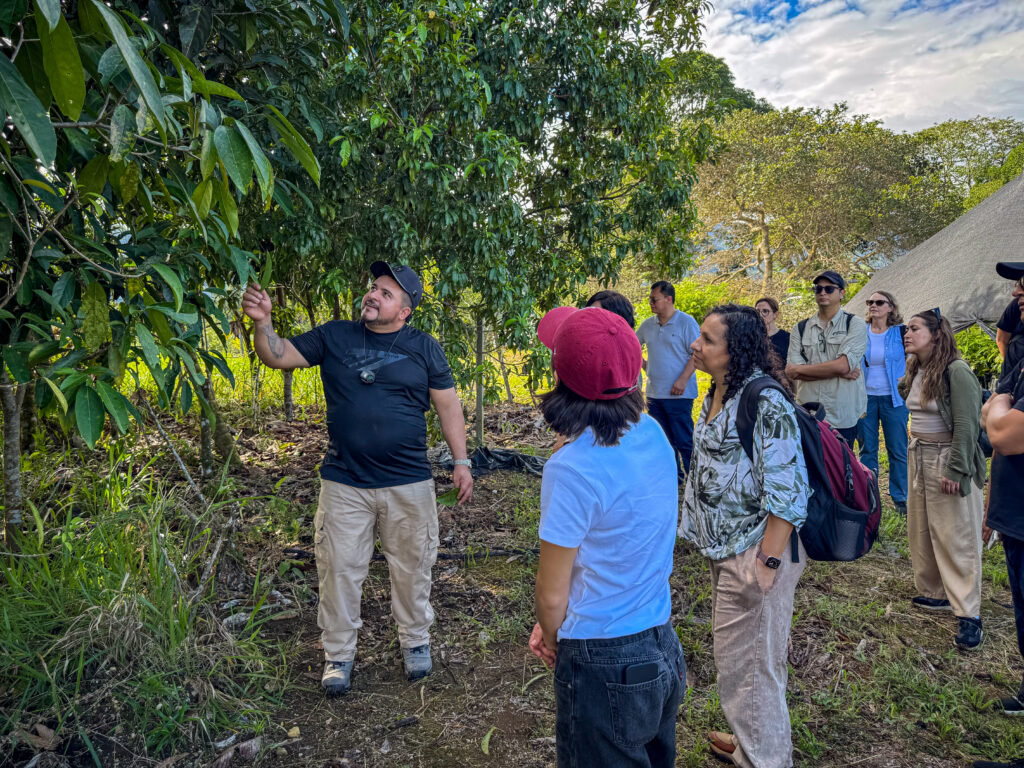
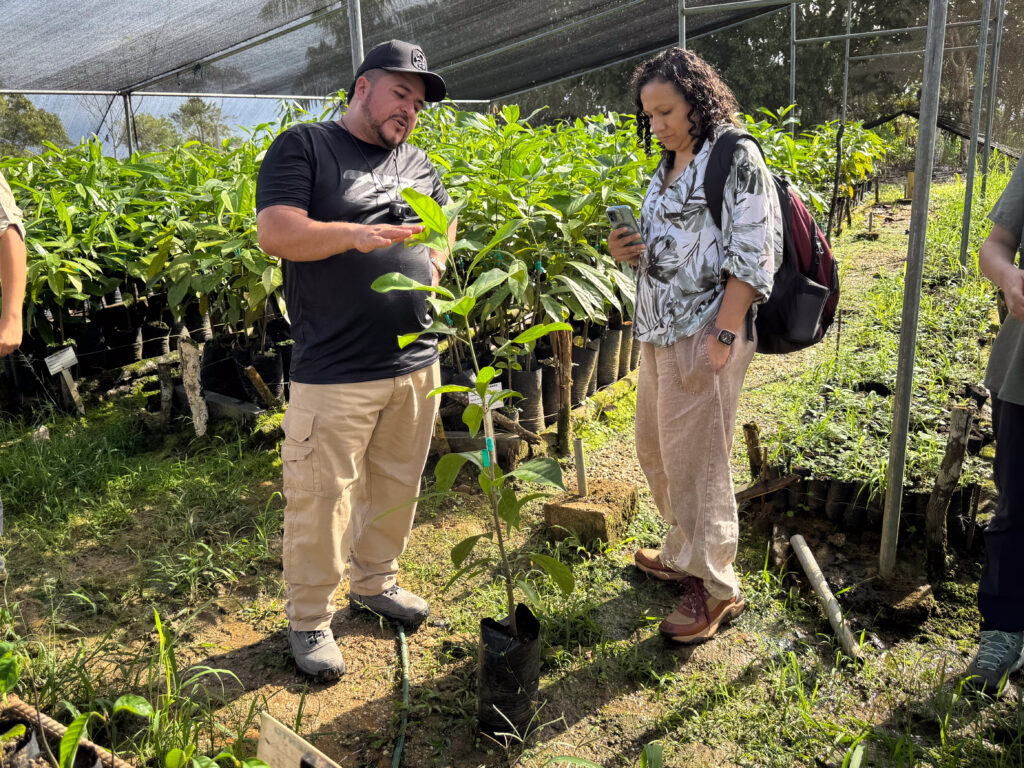
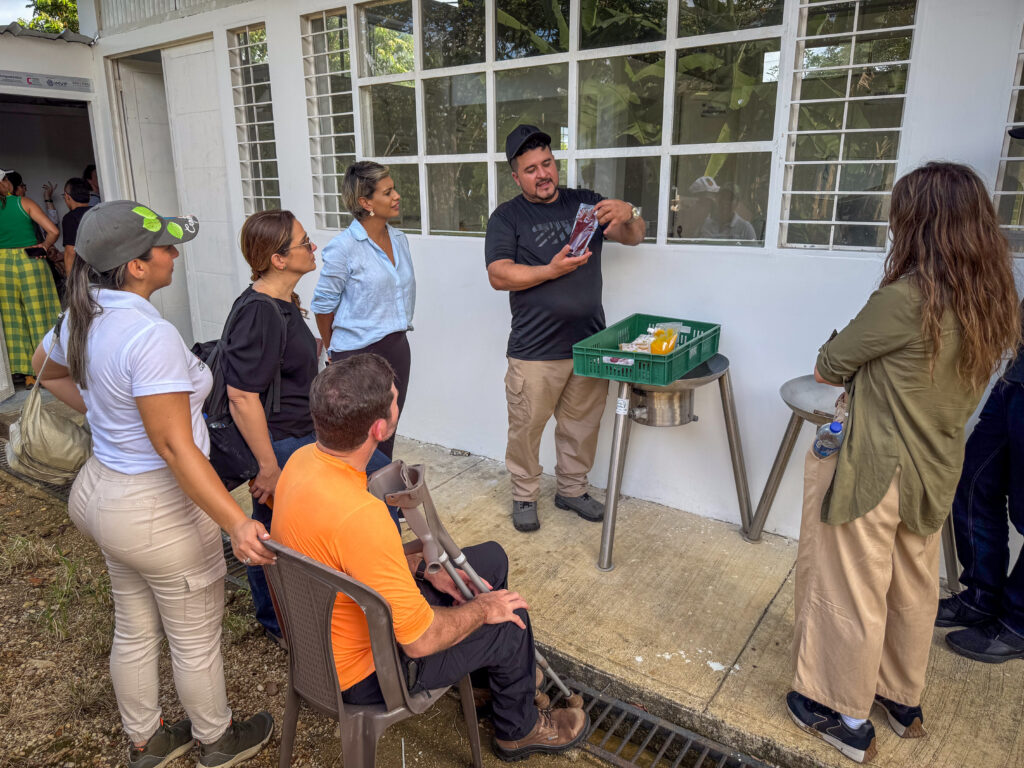
Photos by Government of Caquetá.
During the visit, participants learned firsthand about the progress, lessons learned, and challenges of the economic and social reintegration process in the department of Caquetá.
The tour allowed visitors to explore community-led initiatives, including pineapple cultivation and the community nursery, projects that aim to strengthen sustainable rural economies and contribute to the restoration of degraded areas.
Participants also learned how these initiatives have been supported by Colombian state institutions, international cooperation agencies, and social organizations, as well as the active role of the community in the formulation and implementation of these projects.
Participants learned about:
- Experiences of productive reintegration
- Sustainable agricultural projects
- Nurseries for ecological restoration
- Community initiatives for territorial development
New Forestry Economy Building Blocks
– Restoration: Production of plant material and recovery of degraded areas.
– Bioeconomy : Generation of sustainable rural economies in peacebuilding processes.
7. SINCHI Experience – ABRIGUE Project
Science, Innovation and Agroecological Transition
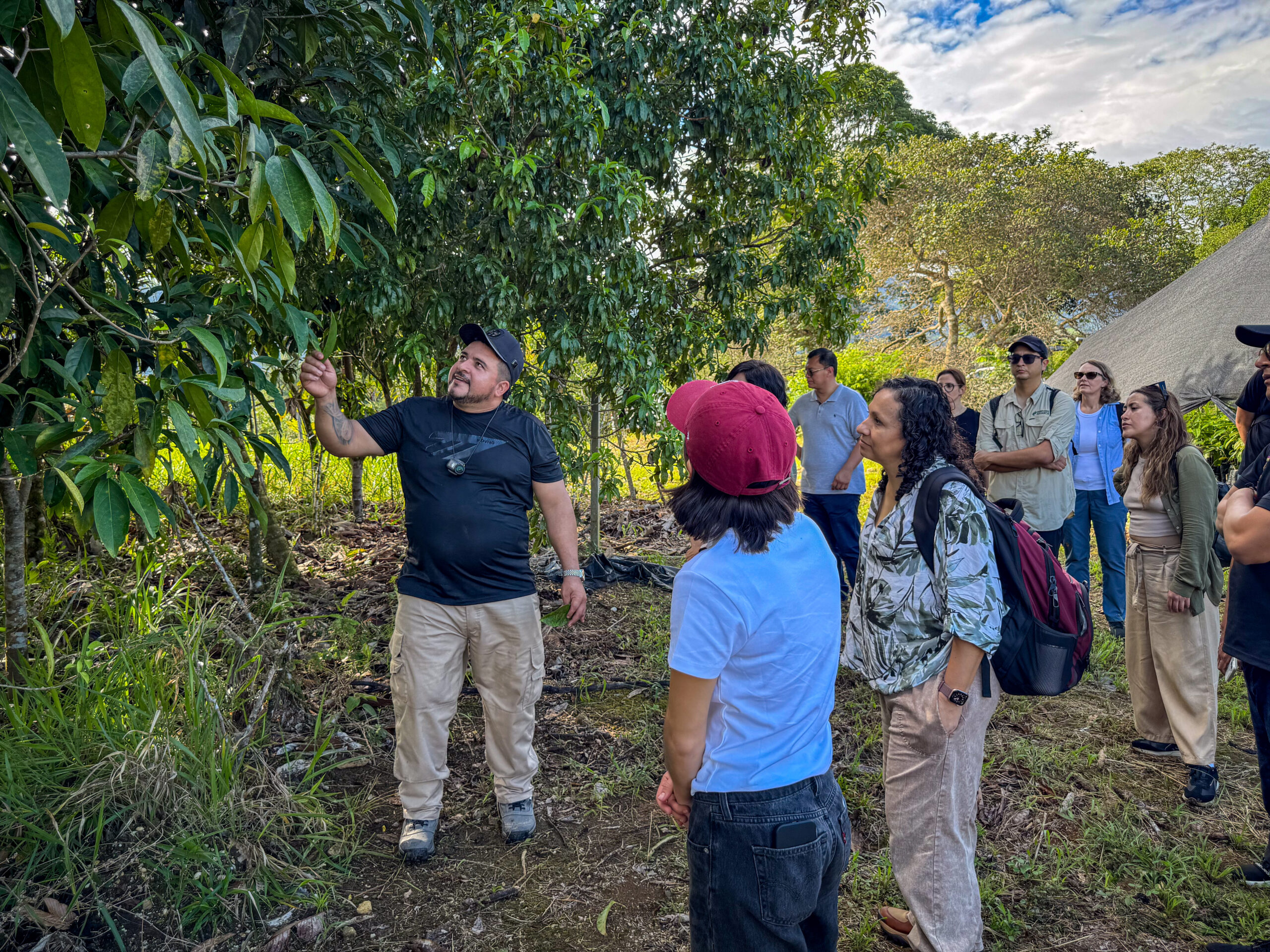
The visit allowed participants to learn about the research that the SINCHI Amazonian Institute for Scientific Research has been conducting in the department of Caquetá through the ABRIGUE Project (Agroecology, Bioeconomy, Resilience, Innovation, Governance and European Union).
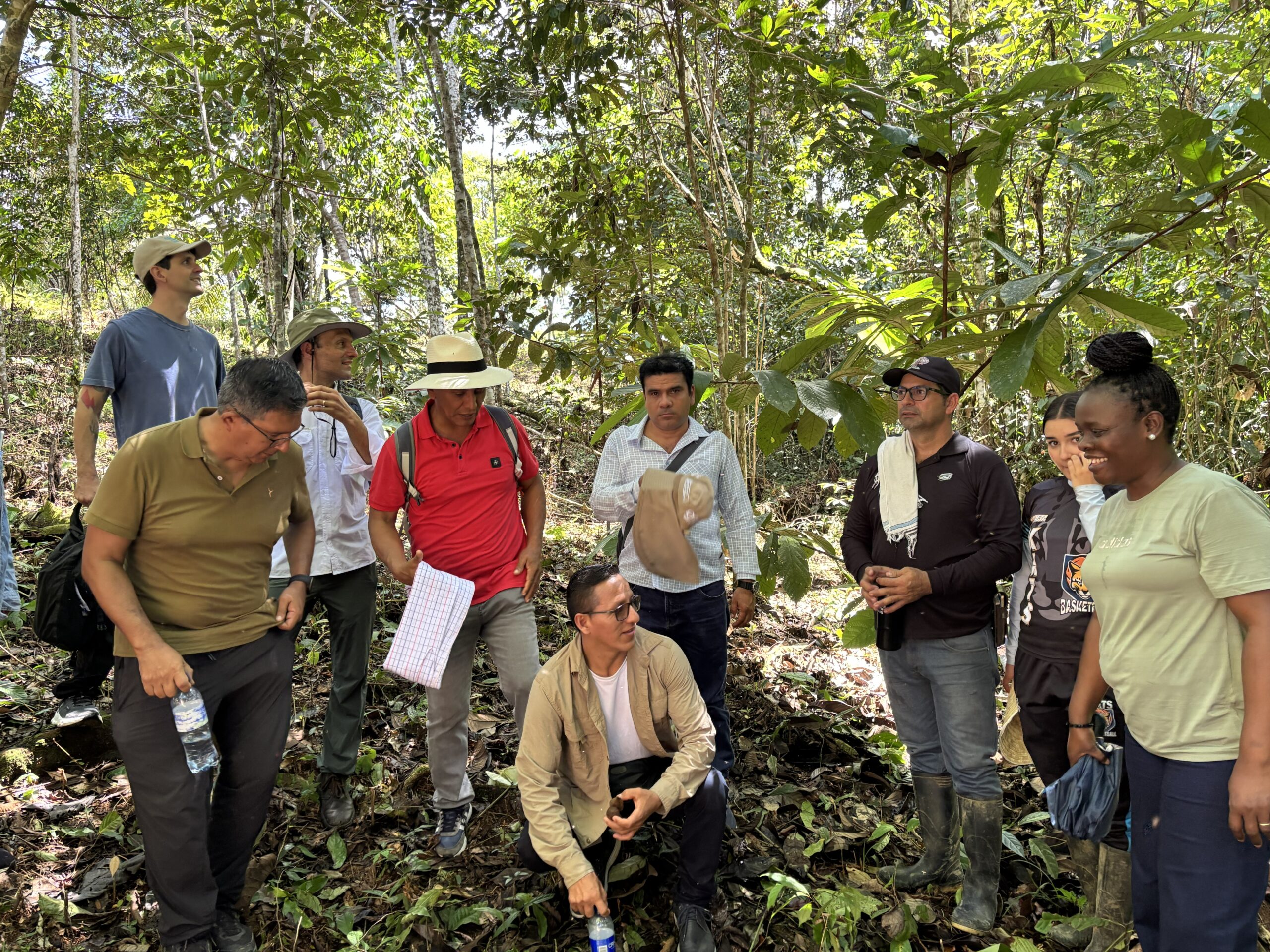
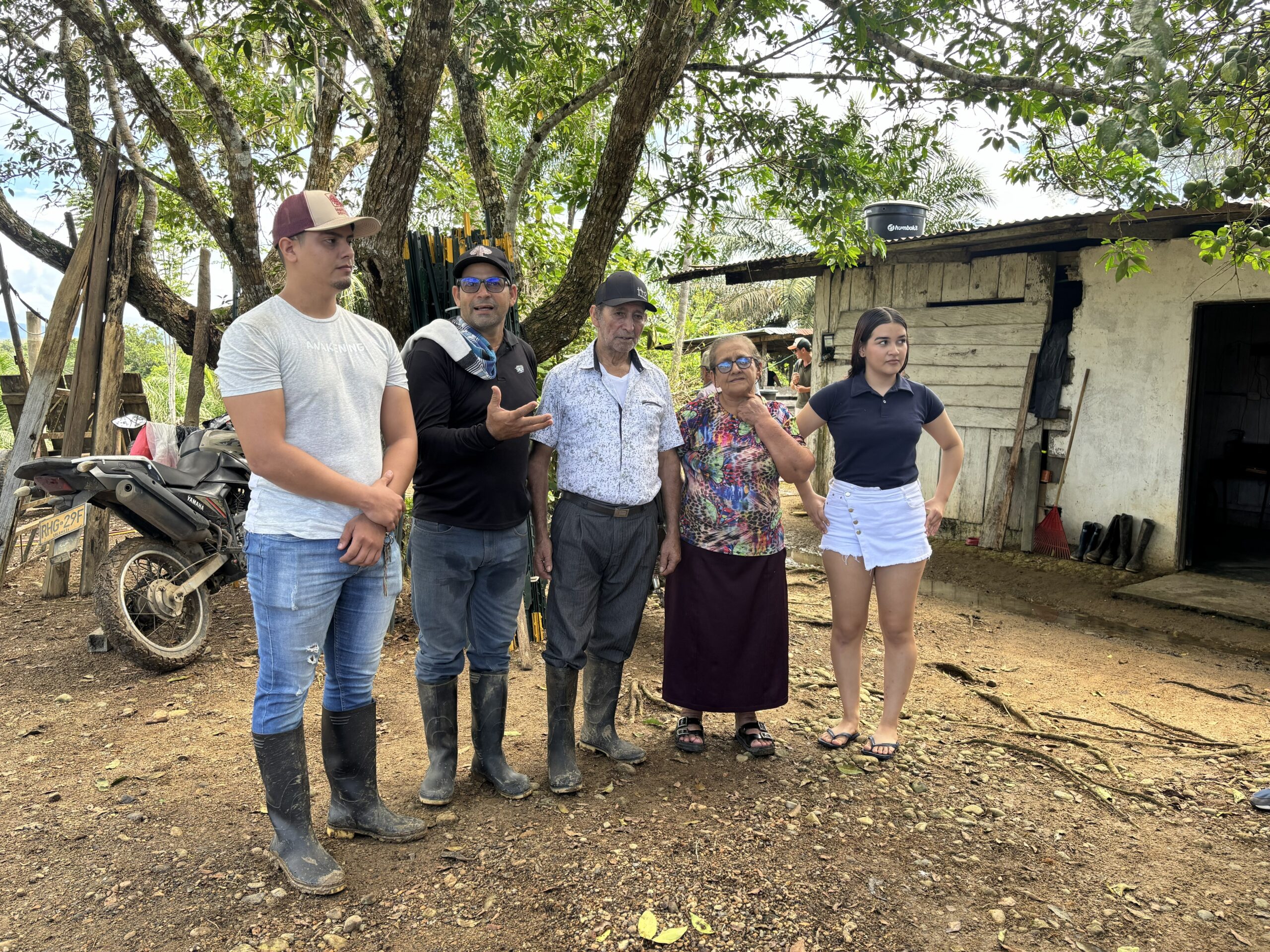
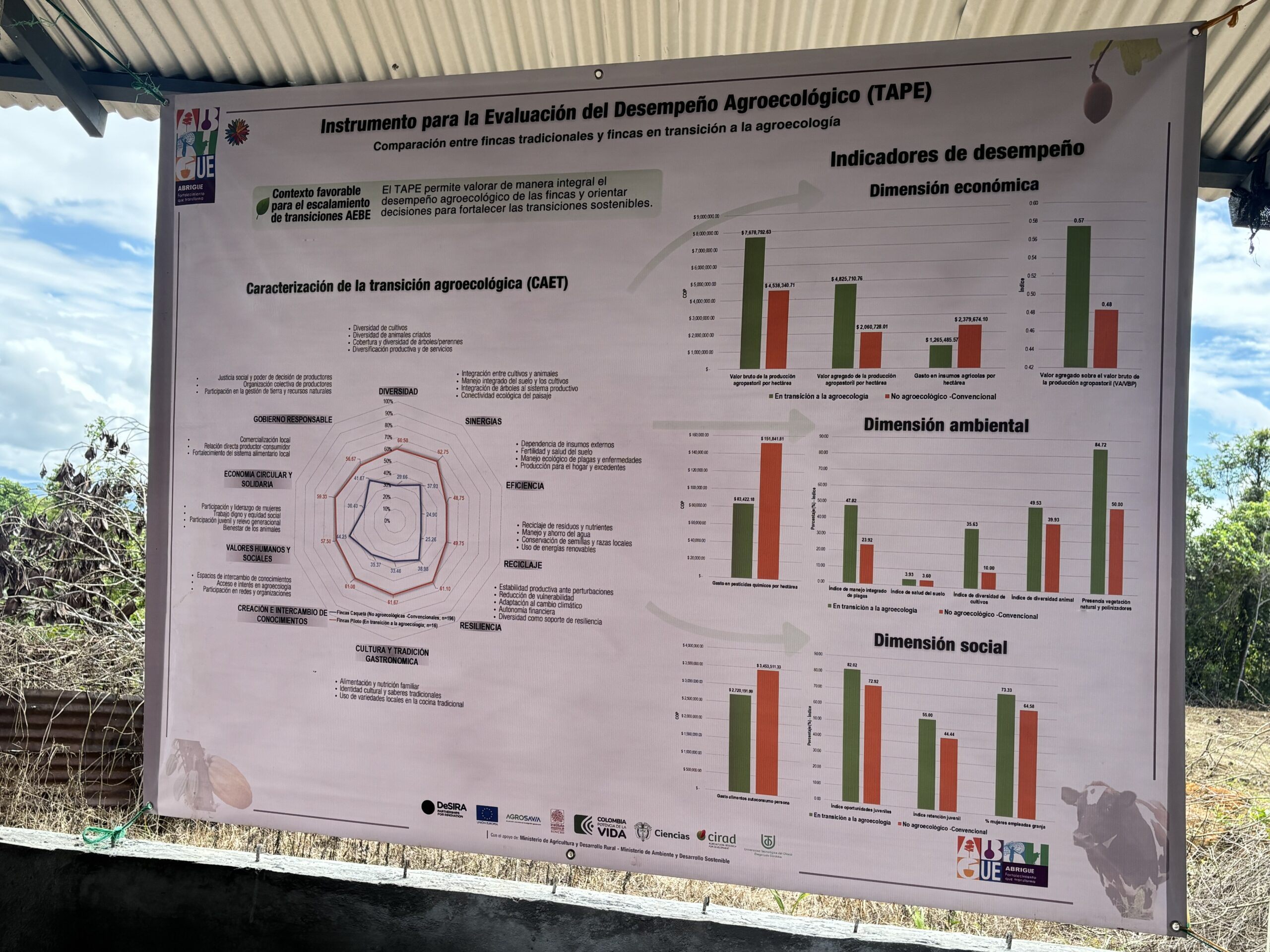
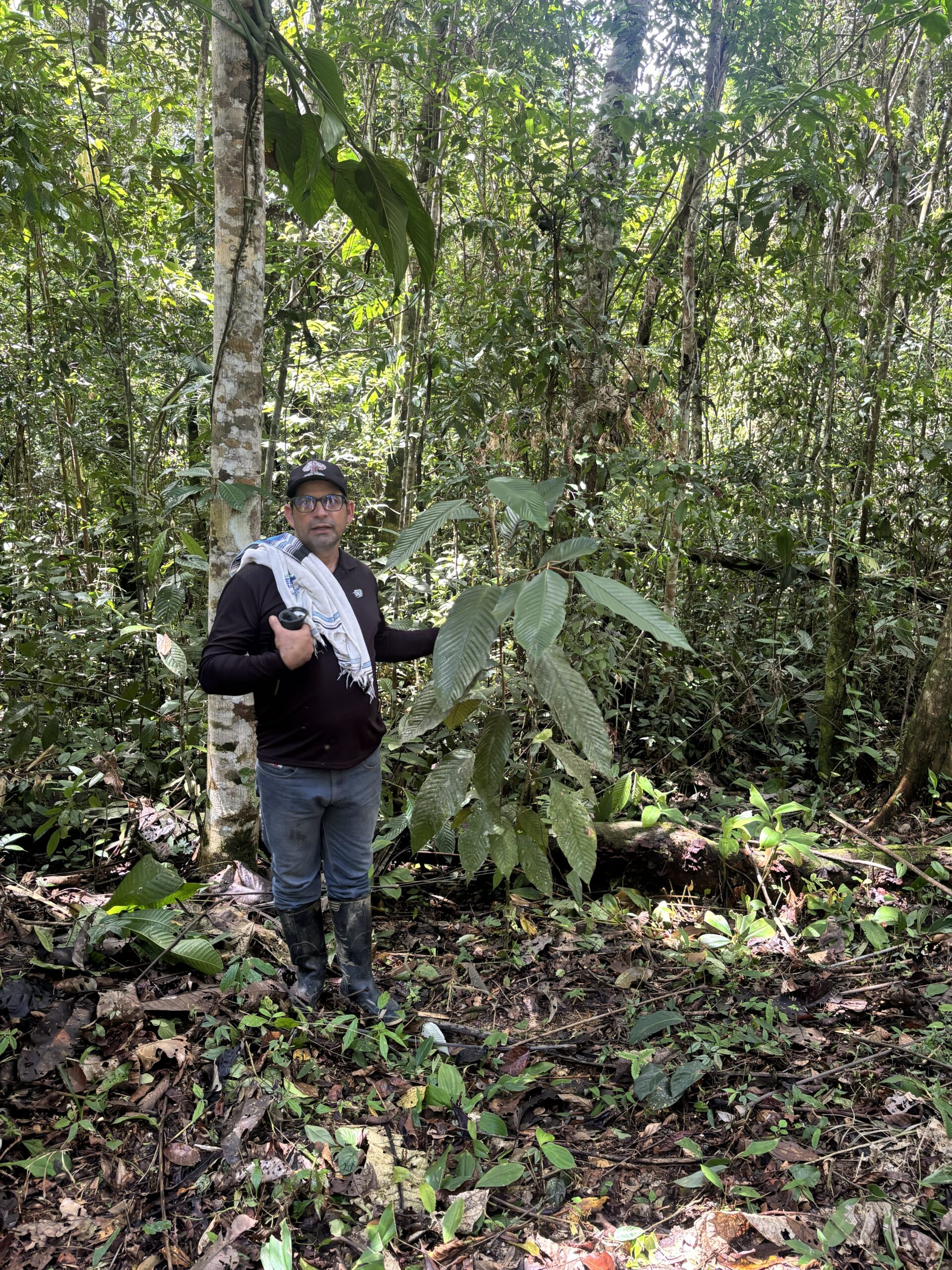
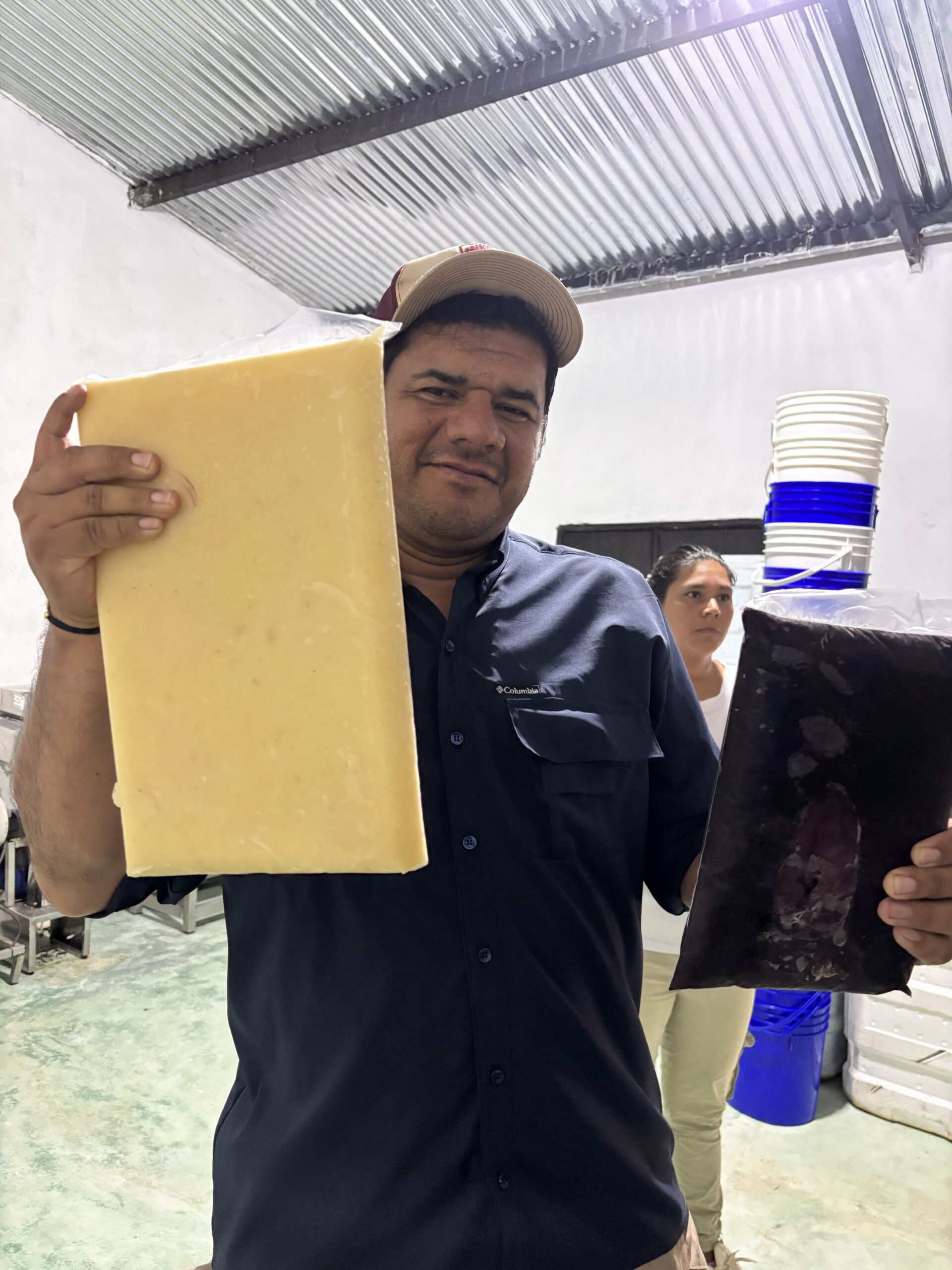
Photos by GCF Task Force.
This project seeks to promote the transition to sustainable agri-food systems in forest frontier areas, combining scientific research, technological innovation and local knowledge. The project began with 27 pilot farms and has expanded its reach to more than 300 farms belonging to producer associations, benefiting thousands of rural families in the Amazon region.
During the tour, participants visited Las Brisas farm, which is run by three generations of the Molina family and managed by Sr. Levid Bermeo Molina. Las Brisas is one of the pilot farms where agroecological transitions are tested and practices are implemented to reduce deforestation, improve agricultural productivity and strengthen resilience to climate change. Participants toured and learned about:
- agroforestry pilot plots with cacao, copoazu, and timber species
- pig pens with a biodigester for biogas and biofertilizer production
- research plots for co-designed experiments
Participants also visited the nearby Copoazú Association of Belén de los Anquídes (Asociación de Copoazú de Belén de los Anquídes or ACBA) production facility. The Fernai family started selling copoazú products in 2008 and founded ACBA in 2018. The association now has 32 families and is actively innovating products and production methods. They are currently working on:
- in-house extraction of copoazú seed oil
- research with SINCHI and five pilot farms to study transformation of copoazú peel into useable compost
- product testing of chocolate produced with cocoa and copoazú
New Forestry Economy Building Blocks
– Restoration: Transition towards production systems with zero deforestation and ecological restoration.
– Sustainable Intensification: Increased productivity through agroecological practices in areas that have already been disturbed.
8. La Patrona
Women Transforming Sugarcane into Amazonian Sustainability
On this route, participants learned about the inspiring experience of rural women who have managed to transform the traditional production of sugar cane into a sustainable commodity model at the territorial scale.
The “La Patrona” initiative currently brings together 65 producer families in the municipalities of Belén de los Andaquíes, Albania and San José del Fragua. For approximately six years, La Patrona has been consolidating a productive process that integrates cultivation, transformation and marketing of sugar cane derivatives.
The experience begins on cattle farms that have incorporated sugarcane cultivation as a productive diversification strategy, moving towards more sustainable practices. Subsequently, the production is collected and processed in La Reforma village in Belén de los Andaquíes, where the field visit occurred.
During the visit participants learned about:
The production process:
- Establishment and management of the crop
- Harvesting the cane
- Artisanal and semi-industrial transformation processes
The production of value-added products, among which the following stand out:
- Panela honey
- Nutritional bars
- Sugarcane juice
- Other innovative derivatives
Beyond the productive component, this experience highlighted the leadership of rural women, who have been the organizing axis of the process, strengthening associative capacities and overcoming structural barriers, especially access to markets.
One of the main achievements has been the consolidation of marketing channels with local companies, allowing for improved family income and the positioning of products with territorial identity.
New Forestry Economy Building Blocks:
– Bioeconomy, Gender, Community Organization: Convergence to generate sustainable alternatives in the Amazon.
– Sustainable intensification: Contributing to productive diversification, reducing pressures on the forest and strengthening the social fabric.
Tourist Activities in Caquetá
Recommendations from the Deputy Secretariat for Entrepreneurship and Tourism of the Caquetá Governorate:
Historical tour of Florencia, Caquetá (Capital of the Department)
See and enjoy a 2-hour tour of the city’s main tourist and cultural attractions, where you can learn about the history, identity, and richness of the Caquetá capital.
The tour includes visits to representative sites such as:
- Palace of Fine Arts of the Amazon (Former Curiplaya Building)
- Caquetá Museum
- Our Lady of Lourdes Cathedral
- Pizarro Square
- Santander Park
- La Concordia Market Square
- Representative monuments
- Gran Plaza Shopping Center
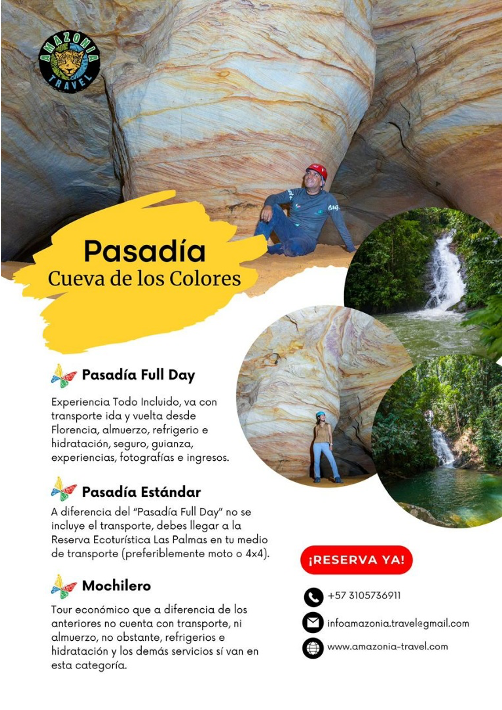
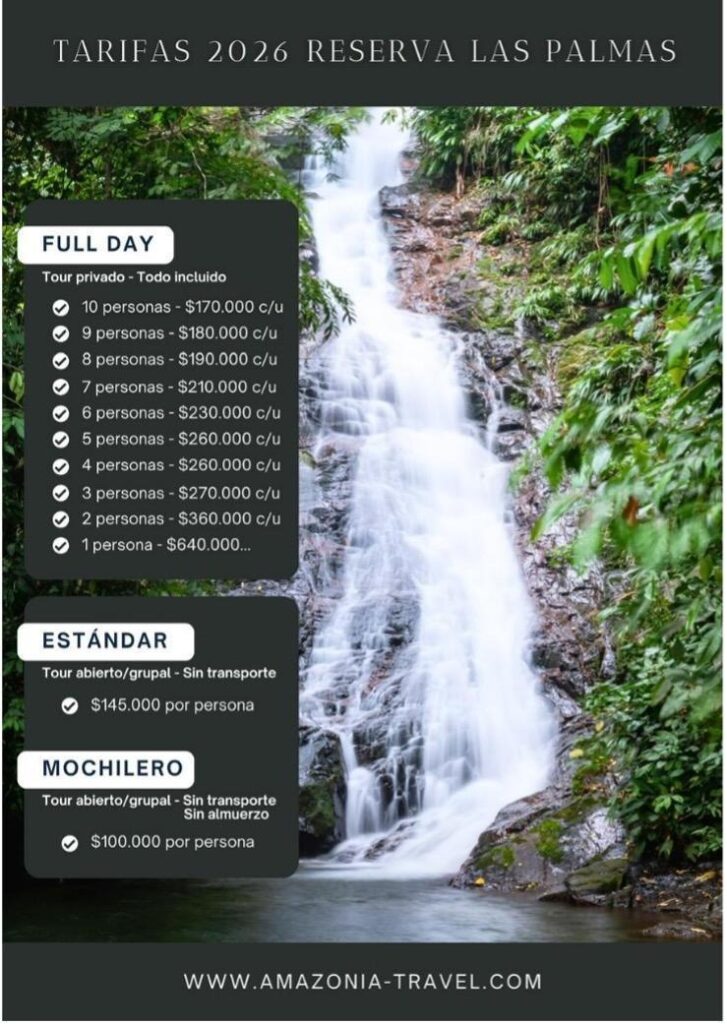
DISCOVER THE BEAUTY OF THE LAS PALMAS ECOTOURISM RESERVE
Full Day Trip:
All-inclusive experience, round-trip transportation, snacks and hydration, insurance, guide, photographs and entrance fees.
Standard Day Pass:
The same services as the Full Day pass, but this one does not include transportation.
Backpacking Plan:
This budget tour does not include transportation or snacks; however, all other services are included in this category.
For more information, contact us via WhatsApp at +55 (310) 573-6911