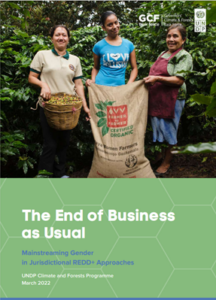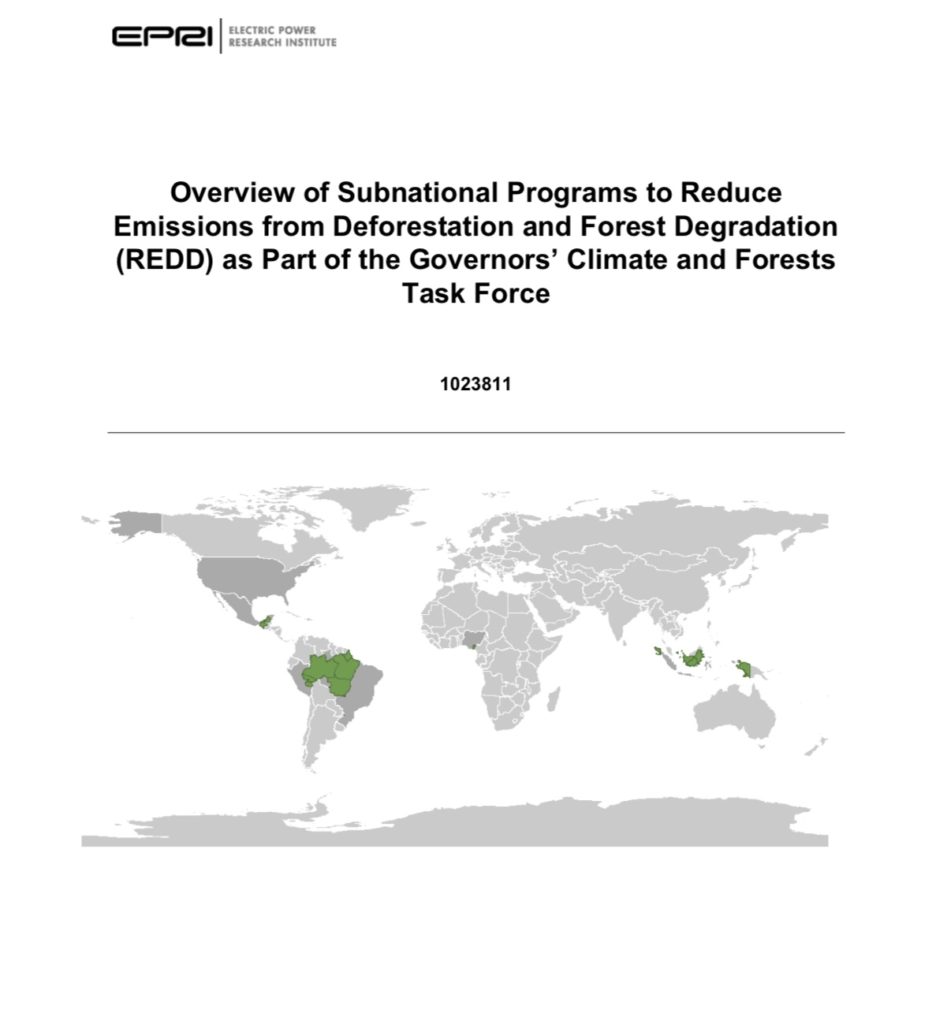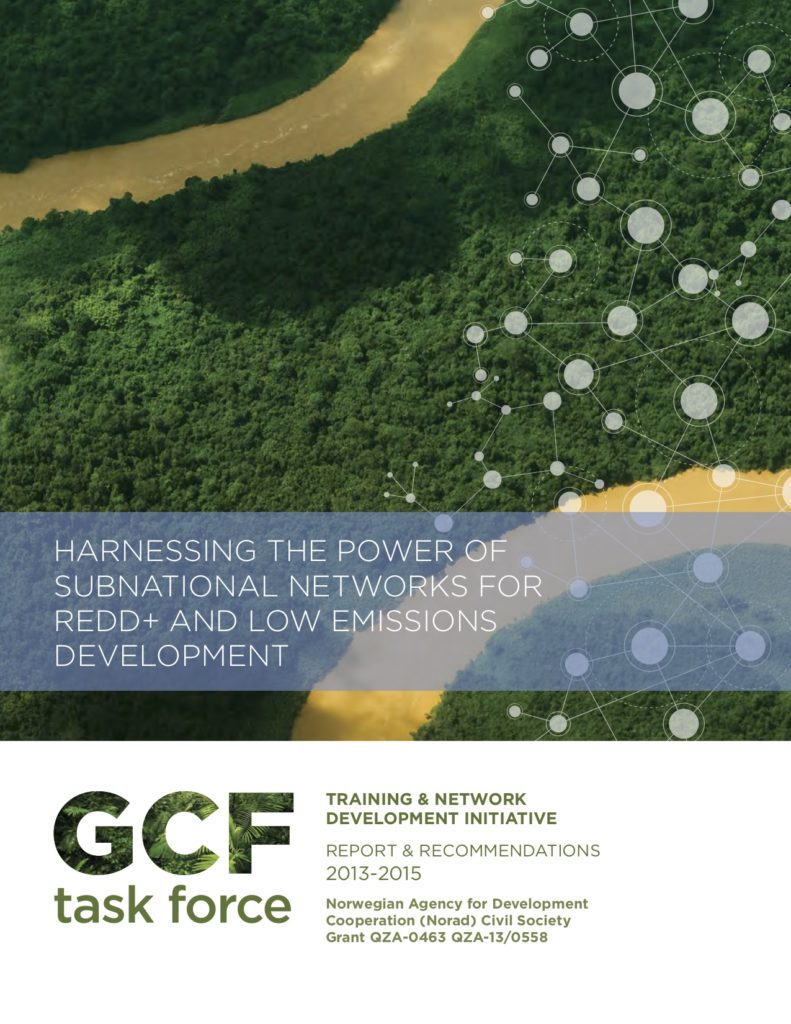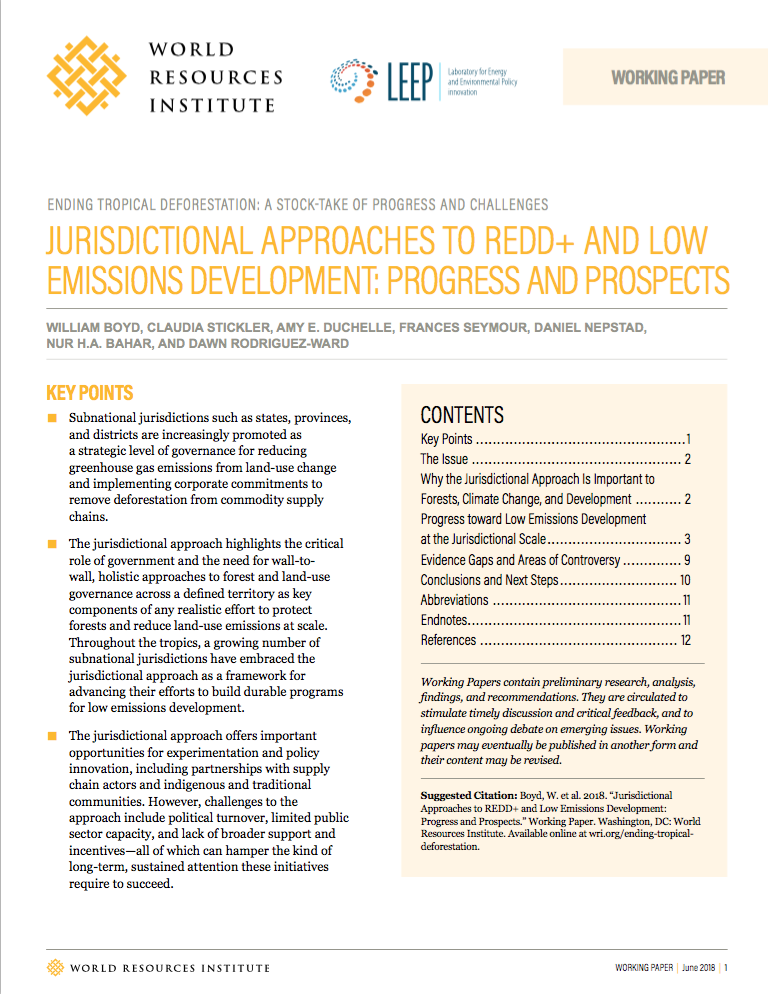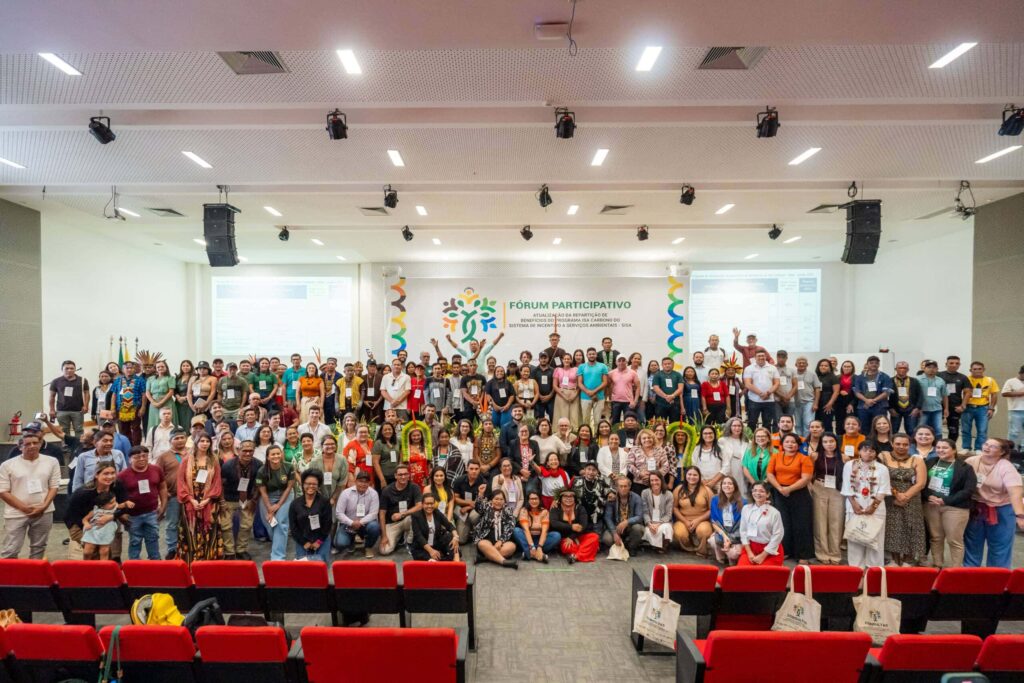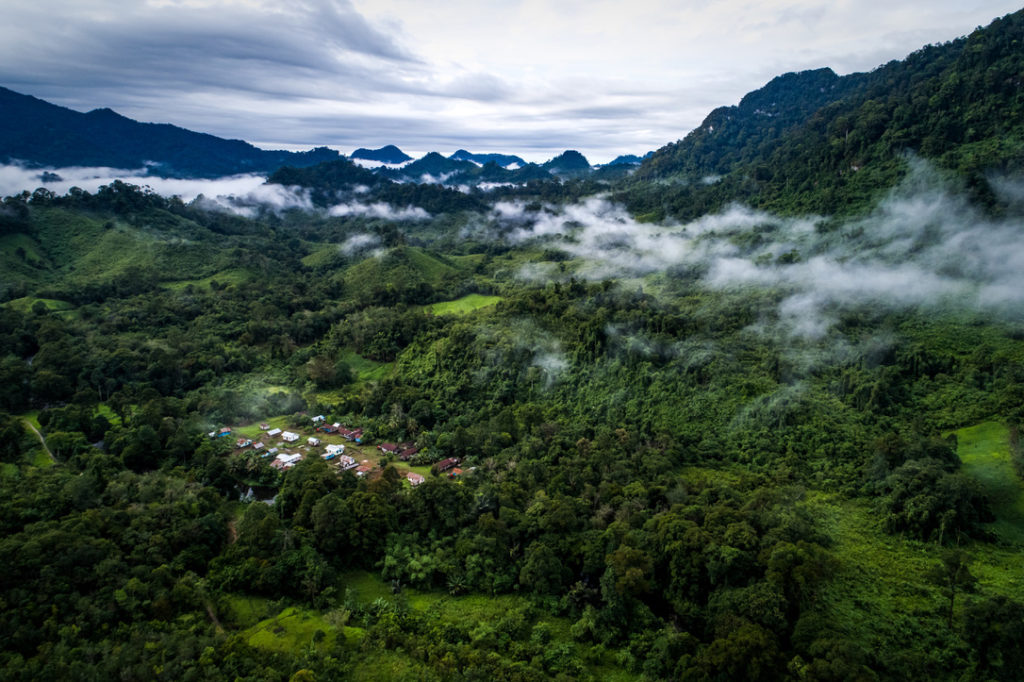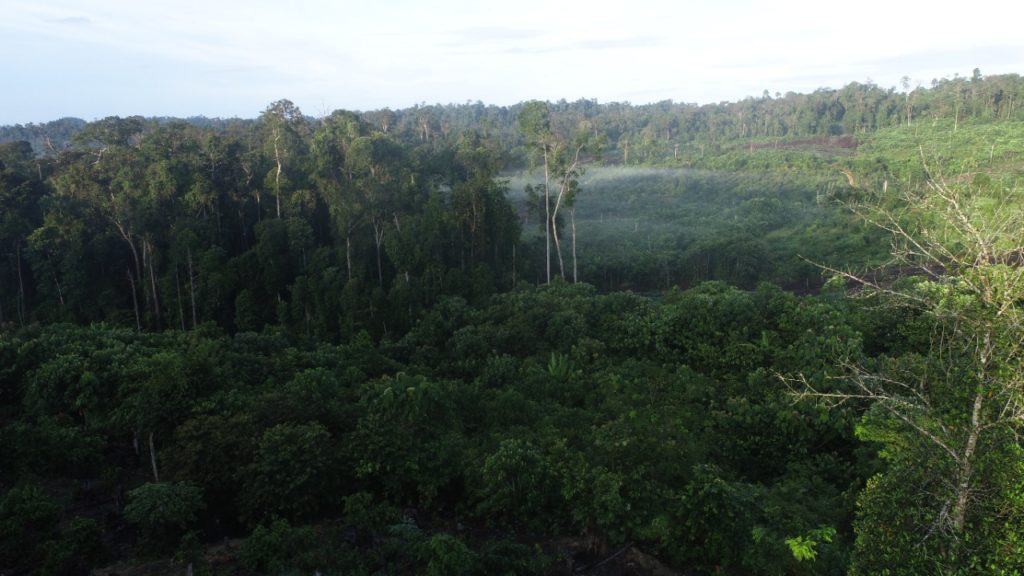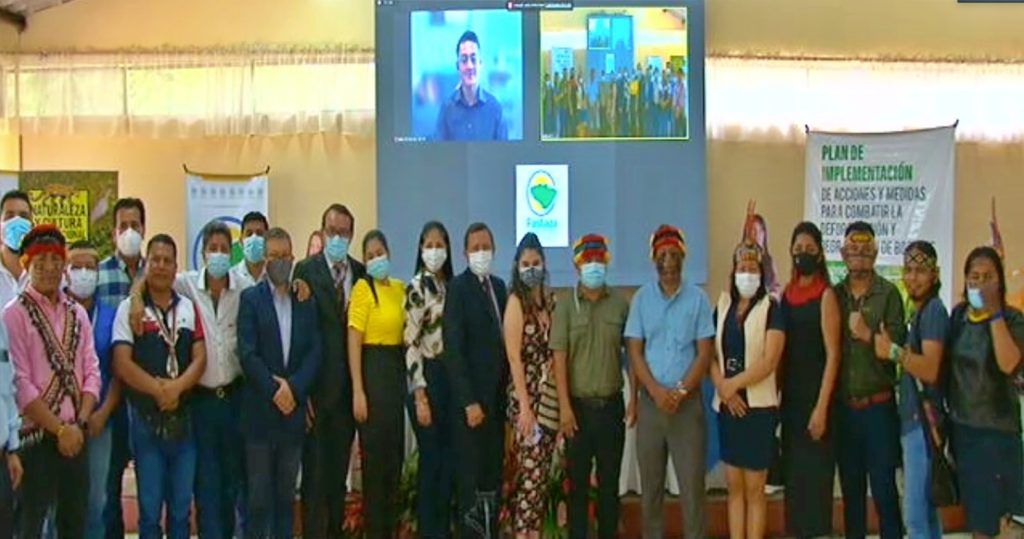
From 2018 – 2020, the GCF Task Force, with funding from the Government of Norway and in partnership with the United Nations Development Programme, supported 35 member states and provinces to develop and/or revise jurisdictional strategies for REDD+. Many of our members have made great strides towards achieving JREDD+ certification, and we continue to support them while they navigate the often long and complex implementation process.
What is JREDD+?
REDD+ stands for Reducing Emissions from Deforestation and Forest Degradation, with the “+” signifying sustainable management of forests and the conservation and enhancement of forest carbon stocks. While REDD+ was established by the United Nations (UN) as a framework to provide results-based incentives for forest conservation, traditional project-level approaches have often faced challenges regarding scale, baseline integrity, and long-term permanence.
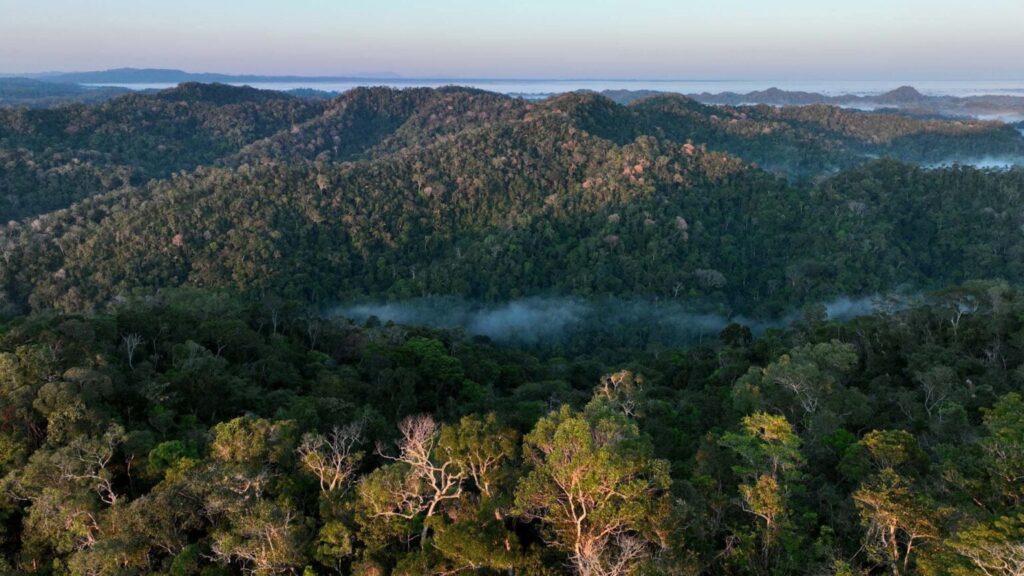
To address these systemic hurdles, GCF Task Force member states and provinces have been leading a transition toward jurisdictional REDD+. By moving beyond isolated project boundaries to subnational strategies, jurisdictional approaches align forest protection with government policy, legal frameworks, and integrated land-use planning. This evolution is essential to unlocking the large-scale finance required to protect our remaining tropical forests while ensuring equitable benefit-sharing and sustainable development within tropical jurisdictions.