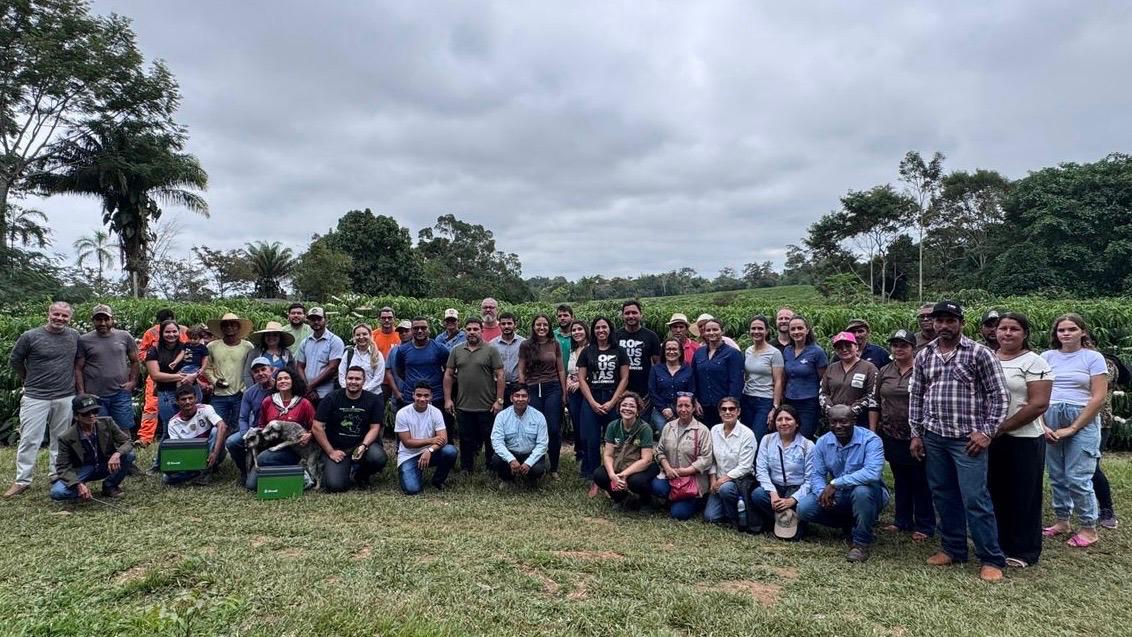
Bolivia and Brazil strengthen regional cooperation to promote sustainable Amazonian coffee farming
Between June 16 and 19 , 2026 , a delegation from the Tropical Agricultural Research Center (Centro de Investigación Agrícola Tropical, CIAT) in Santa Cruz, Bolivia, participated in a technical exchange on sustainable coffee production systems in the state of Acre, Brazil, complemented by a technical visit to the FAUTAPO Foundation in Pando, Bolivia.
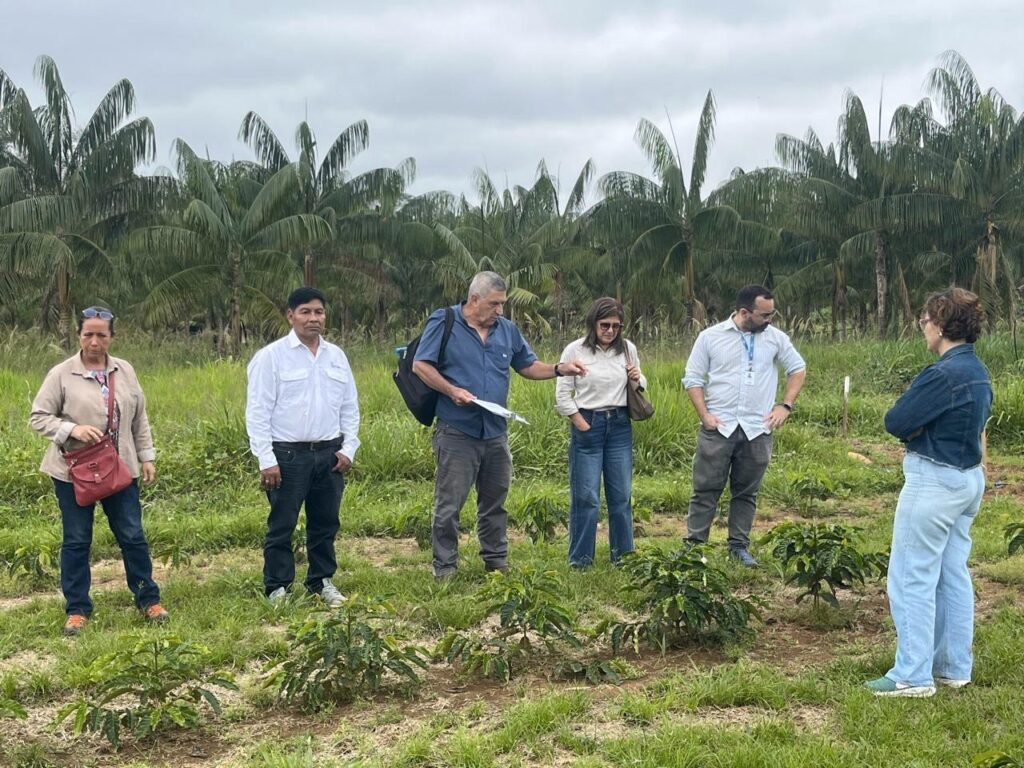
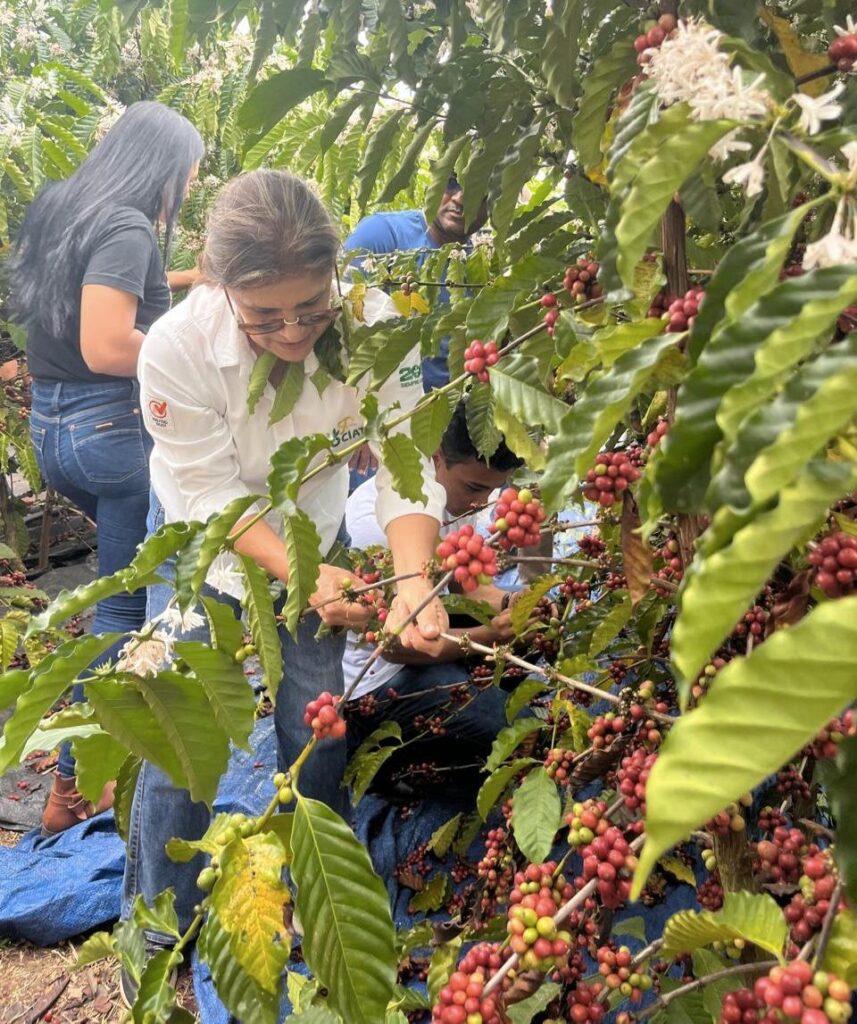
The activity was developed within the framework of the Amazonian Subnational Policy Exchange Mechanism (MIPA), promoted by the Governors’ Climate and Forests Task Force ( GCF Task Force) and the Amazonia+ Program, financed by the European Union.
It had the participation and support of Brazilian institutions such as the Instituto de Mudanças Climáticas e Regulação de Serviços Ambientais (IMC) , the Empresa Brasileira de Pesquisa Agropecuária (EMBRAPA) Acre , EMBRAPA Rondônia and the State Secretariat of Agriculture of Acre (SEAGRI) , as well as the FAUTAPO Foundation in Bolivia.
The exchange aimed to strengthen CIAT’s technical and scientific capabilities through knowledge sharing and the exchange of experiences related to Amazonian robusta coffee, agroforestry systems, nursery and genetic material management, fertilization and soil management, irrigation, harvesting and post-harvest handling, applied research, and environmental sustainability policies. During the event, technical meetings were held with researchers from EMBRAPA Acre and EMBRAPA Rondônia, visits were made to experimental plots and producers’ farms in the municipalities of Acrelândia and Plácido de Castro , and an exchange took place with the IMC on environmental governance and climate change. Additionally, the visit to FAUTAPO facilitated the sharing of experiences on technical assistance, producer organization, marketing, and strengthening local capacities within the Amazonian coffee value chain in Bolivia.
The mission identified technologies, methodologies, and experiences with the potential to be adapted to Bolivia’s production conditions, particularly in Santa Cruz, and generated relevant lessons for the future implementation of the CIAT Coffee Project , whose pre-investment studies have already been completed. Furthermore, areas of common interest were identified in research, technology transfer, agroforestry systems, climate change adaptation, and sustainable natural resource management, and a willingness was expressed to move toward Letters of Understanding and future Cooperation Agreements between CIAT and entities such as EMBRAPA Acre and the FAUTAPO Foundation.
The exchange thus contributed to strengthening regional cooperation links between research institutions, subnational governments and organizations linked to the sustainable development of Amazonian coffee farming , laying the foundations for future joint actions aimed at promoting more sustainable, resilient and competitive coffee production systems, in balance with the conservation of Amazonian ecosystems and climate action.