The Amazon is home to the largest continuous tropical rainforest on the planet and represents approximately 38% of the world’s tropical forests. At the same time, the region faces a growing expansion of infrastructure: in the northwestern Amazon alone, 77 new projects have been identified that would add around 9,400 kilometers of roads and logistics corridors, which could significantly transform the territory [1].
Given this scenario, the challenge is to ensure that the construction of these roads is planned in a way that meets the mobility and development needs of the communities, while maintaining the connectivity of ecosystems, reducing risks, and increasing their resilience to climate change.
With this vision, the Autonomous Decentralized Provincial Government of Zamora Chinchipe (GADPZCH), Ecuador, is advancing in the incorporation of the Green Road Infrastructure (Infraestructura Verde Vial, IVV) approach for the planning and management of its transport infrastructure, as a result of a process of exchange and regional cooperation initiated from its participation in MIPA2 – the second technical meeting of the Mechanism for the Exchange of Subnational Public Policies for the Sustainable Environmental Management of the Amazon (Mecanismo de Intercambio de Políticas Públicas Subnacionales para la Gestión Ambiental Sostenible de la Amazonía, MIPA). [2].
From MIPA 2 to a work agenda for Zamora Chinchipe
In June 2026, the prefect of Zamora Chinchipe, Karla Reátegui, participated in the Second MIPA Technical Meeting, held in Bogotá and San José del Guaviare, Colombia, organized by the Amazonia+ program [3] and the Governors’ Climate and Forests Task Force (GCF Task Force) [4], with technical support from the Foundation for Conservation and Sustainable Development in Colombia (Fundación para la Conservación y el Desarrollo Sostenible, FCDS). Representatives from Amazonian subnational governments in Brazil, Bolivia, Colombia, Ecuador, and Peru gathered to learn about and exchange experiences on the development and implementation of the Green Road Infrastructure Guidelines (Lineamientos de Infraestructura Verde Vial, LIVV).
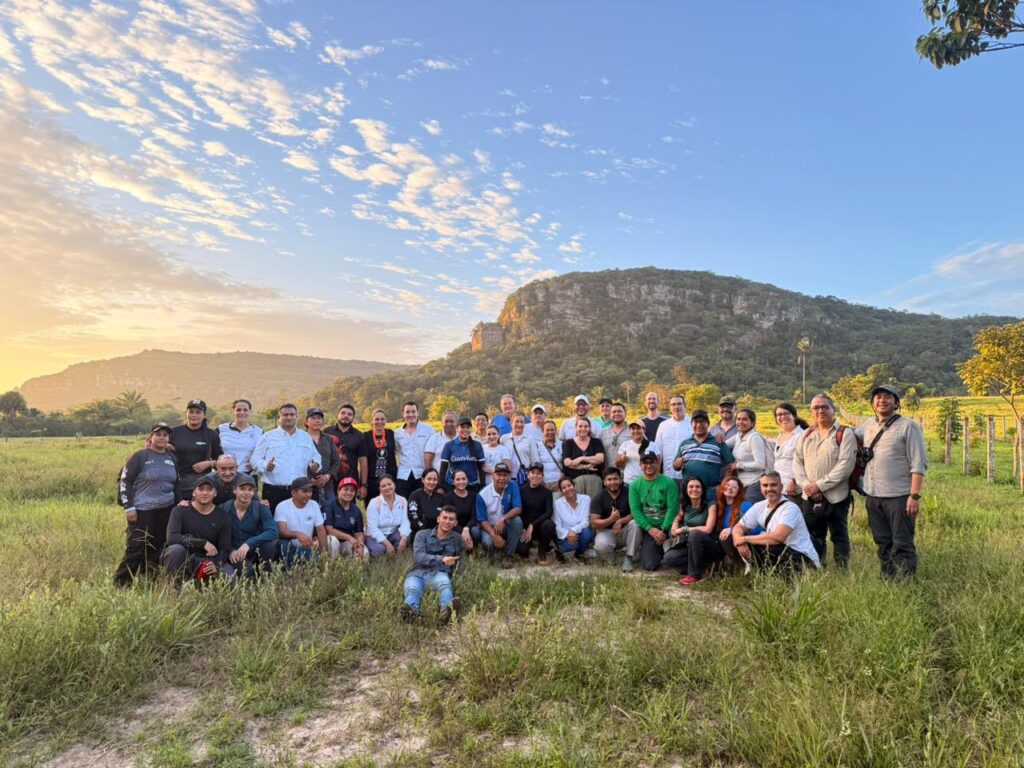
The experience allowed the GADPZCH and other participants to learn how LIVVs can help ensure that road projects incorporate environmental, social, technological and engineering criteria from the initial planning stages in order to minimize impacts on ecosystems and local communities.
Following its participation in MIPA 2, the GADPZCH, under the leadership of Prefect Karla Reátegui, began putting the lessons learned from the exchange into practice, strengthening provincial capacities for the implementation of LIVV and promoting increased technical cooperation with FCDS. This initiative was welcomed by the GCF Task Force Secretariat, which, together with the Amazonia+ program, promoted the necessary follow-up and coordination to advance this process, allowing the knowledge and experiences shared during the technical meeting to be translated into a concrete agenda of cooperation and work for Zamora Chinchipe.
An alliance to adapt the LIVV to the reality of the Ecuadorian Amazon
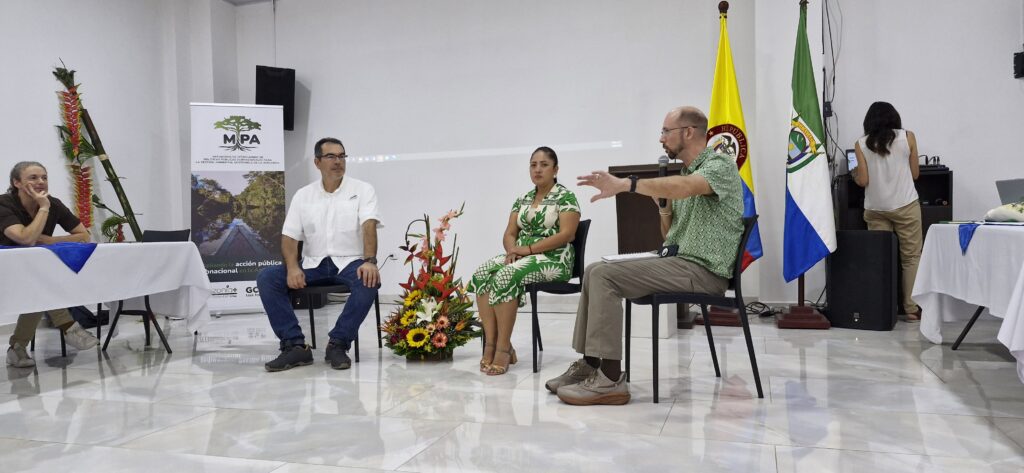
As a result of this process, GADPZCH, FCDS and Nature and Culture International (NCI) signed a Memorandum of Understanding to join efforts aimed at strengthening the planning, management and governance of sustainable transport infrastructure and multimodal connectivity in Zamora Chinchipe, through the incorporation of the Green Road Infrastructure approach.
This alliance complements the work FCDS has been promoting in the Ecuadorian Amazon, where it previously signed memoranda of understanding with the Provincial Governments of Pastaza and Morona Santiago and has made progress in promoting the implementation of LIVV in their respective territories. The inclusion of Zamora Chinchipe allows for the expansion and scaling of this process, leveraging the lessons learned and experiences generated in other provinces and adapting them to the specific territorial, environmental, and road infrastructure characteristics of the province.
This initiative is also linked to territorial processes promoted by Zamora Chinchipe, such as the Areas of Conservation and Sustainable Use (Áreas de Conservación y Uso Sustenta, ACUS) [5] and the Provincial REDD+ Measures and Actions Plan or Plan Sembrando Vida [6], within the framework of the Amazonian Platform for Forests, Climate and Human Wellbeing, [7] of which the six provinces of the Ecuadorian Amazon are part, which in turn are part of the GCF Task Force.
The location of Zamora Chinchipe presents an opportunity for this work. During the technical visit, Jaime Carrizosa, an environmental civil engineer and FCDS specialist, highlighted the province’s potential as part of the Ecuadorian Amazon and, at the same time, a transition zone between the Andes and the Amazon, a condition that poses significant challenges and opportunities for integrating infrastructure, biodiversity, water, and risk management [8].
Main results and next steps
As a result of this cooperation, Zamora Chinchipe is progressing from training to the practical application and institutionalization of IVV. Key achievements include:
- Capacity building: From August 27 to 30, 2026, technical teams from GADPZCH participated in training sessions and field visits on LIVV and Early Intervention Approach (Enfoque de Intervención Temprana, EIT), with support from FCDS and NCI.
- Specialized technical support: a professional is expected to be incorporated to support the GADPZCH in the implementation of the commitments, the development of the pilot projects and the progressive incorporation of IVV criteria in studies, designs and technical and planning instruments.
- Institutionalization of the LIVV: progress will be made on a proposed provincial ordinance that will allow these criteria to be incorporated into the management of road infrastructure.
- Preparation for new financing opportunities: the process will strengthen the technical and environmental quality of projects and anticipate new trends, standards and sustainability requirements related to the financing of road infrastructure.
- Application in the field: the knowledge and tools developed will be put into practice through pilot projects, generating experiences that can then be scaled up and replicated.
From guidelines to implementation: two pilot projects in the field
The next step will be to translate these concepts into concrete projects. To this end, GADPZCH, FCDS, and NCI have decided to initially work on two pilot projects, selected to analyze the application of LIVV at different stages of the road infrastructure lifecycle.
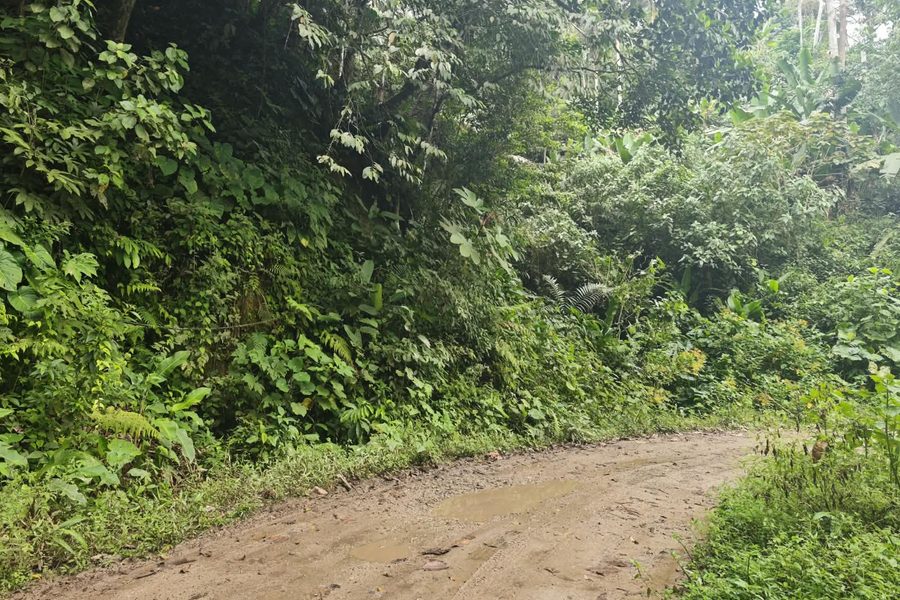
The Cuzuntza road project proposes to apply the Early Intervention Approach, incorporating environmental, social and territorial information from the planning stage to identify risks, connectivity opportunities and possible solutions before making final decisions about the intervention.
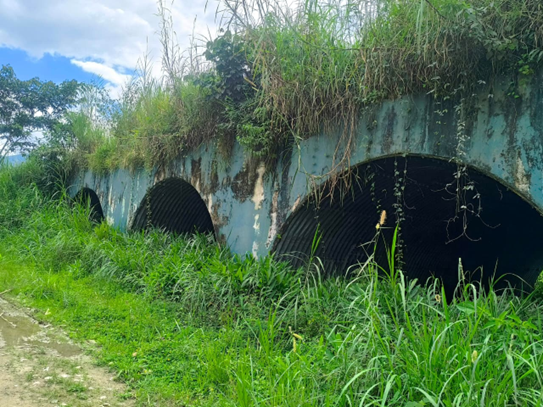
The second pilot project will be carried out as part of the Dorado-Guayzimi road project, where roadwork has already been completed. This project will analyze measures to strengthen the ecological connectivity of the existing infrastructure, including alternatives such as wildlife crossings and other solutions that help reduce the risk of wildlife roadkill.
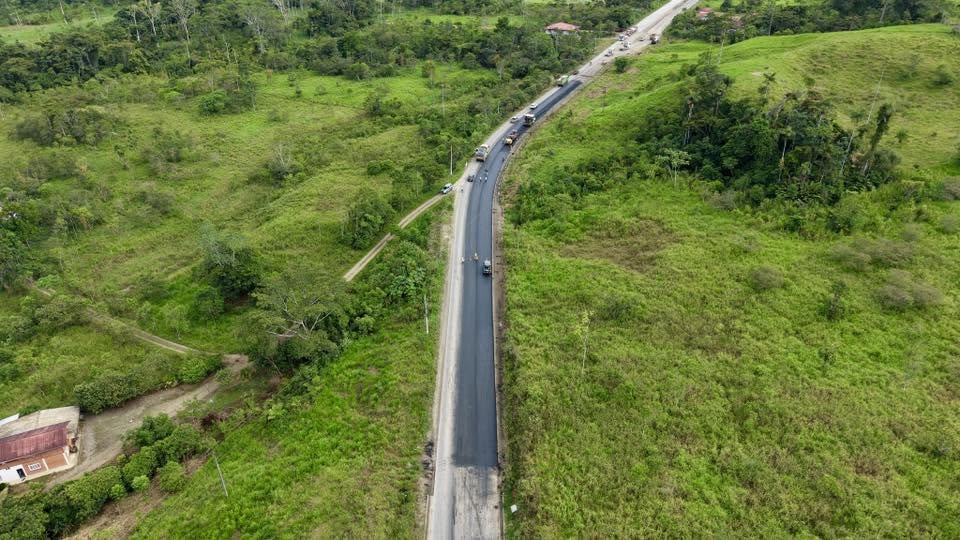
The pilot projects will therefore allow work on two complementary scenarios: preventing impacts from the planning of new interventions and improving environmental and connectivity conditions in existing infrastructure.
An experience to share with the Amazon
The Zamora Chinchipe process shows how an exchange between Amazonian governments can evolve into a territorial implementation route: sharing experiences through the MIPA, strengthening capacities, establishing institutional alliances, providing technical support to the provincial government, and finally demonstrating the solutions through pilot projects.
The experience seeks to generate knowledge that can be incorporated into the management of Zamora Chinchipe and, at the same time, provide lessons for other Amazonian provinces interested in moving towards more sustainable road infrastructure models.
The collaboration between MIPA, GCF Task Force and the Amazonia+ Program, along with the work of GADPZCH, FCDS and NCI, allows regional cooperation to be connected with concrete decisions and actions on the ground.
Endnotes
[1] Foundation for Conservation and Sustainable Development (FCDS) . General Context of the Amazon , presentation by Rodrigo Botero García, MIPA 2, 2026. Data based on FAO (2025) and cartographic analyses by FCDS (2025).
[2] MIPA: The Amazonian Public Policy Exchange Mechanism is a decentralized South-South cooperation initiative that promotes the exchange of knowledge, experiences, and best practices among subnational governments in the Amazon basin that are members of the GCF Task Force, with the aim of strengthening environmental public policies and generating new cooperation agendas. To date, two editions of MIPA have been held.
[3]Amazonia+ is a regional program funded by the European Union and implemented by AICS, as the lead agency, FIAP and Expertise France, aimed at strengthening environmental governance and sustainable management of Amazonian forests.
[4] The province of Zamora Chinchipe has been part of the GCF Task Force since 2022.
[5] Conservation and Sustainable Use Areas (ACUS): areas established by ordinance by the Provincial Government of Zamora Chinchipe, covering approximately 405,719.66 ha, intended to conserve ecosystems, biodiversity and water sources, promoting the sustainable use of natural resources and the well-being of local communities
[6] REDD+ Measures and Actions Implementation Plan ( REDD+ IDP ) of Zamora Chinchipe – “Sowing Life” : an instrument led by the Decentralized Autonomous Provincial Government of Zamora Chinchipe to implement REDD+ measures and actions in the province. The Plan was officially registered by the National REDD+ Authority and incorporated into the Portfolio of Implementation Plans of the REDD+ Action Plan “Forests for Good Living”, with registration code PdIREDD+Ecu-2025-001.
[7] The Amazonian Platform for Forests, Climate, and Human Well-being is a regional initiative for territorial co-governance between subnational governments and the peoples and nationalities of the Ecuadorian Amazon. It seeks to conserve and manage Amazonian forests at the provincial and landscape levels, strengthen territorial governance, promote sustainable livelihoods, and mobilize resources for the management of provincial areas. Más información: https://www.natureandculture.org/es/conservation_initiatives/plataforma-amazonica-por-los-bosques-el-clima-y-el-bienestar-humano/
[8] Source: Interview with Jaime Carrizosa, specialist in Green Road Infrastructure of the Foundation for Conservation and Sustainable Development (FCDS), conducted during the technical field trip in Zamora Chinchipe, August 29, 2026.