Connectivity is essential for communities and governments. Ensuring communities are able to access health care, education, electricity, and markets through which to sell the goods and services they produce is a fundamental responsibility of good governance. At the same time, roads, riverways, airways, and other forms of transportation often have detrimental impacts on our environment. Increased access to forested lands can result in increased deforestation, wildlife trafficking, and opening of lands to illegal mining, timber harvesting, and land speculation.
Coordination, Planning, and Best Practice Guidelines
Balancing these realities requires careful coordination, robust planning and construction criteria, and forward-thinking public policies to derive the benefits (and necessities) from connectivity, while mitigating the negative impacts. This balance of transitioning to a more sustainable and resilient infrastructure system was the driving theme for the recent technical exchange of the most recent edition of our “Mecanismo de Intercambio de Políticas Públicas Subnacionales para la Gestión Ambiental Sostenible de la Amazonía” or MIPA, which is a collaboration between the Governors’ Climate and Forests Task Force (GCF Task Force) and the Amazonia+ Program, an EU-funded program designed to strengthen capacity in the eight Amazon basin countries to mitigate CO2 emissions, adapt to climate change, reduce deforestation, and protect biodiversity. The MIPA partnership is intended to help accomplish this mission by leveraging the essential role of the subnational governments who are members of the GCF Task Force in conducting this work on the ground.
From June 9-13, 2026, this second installment of MIPA (the first was around regenerative agriculture) involved technical exchanges in Bogota and San Jose de Guaviare, in Guaviare, Colombia, around Colombia’s Green Road Infrastructure Guidelines (Lineamientos de Infraestructura Verde Vial (LIVV)), which establish policies and guidelines that are being incorporated into infrastructure planning, design, execution, and maintenance in the Colombian Amazon at the national and subnational levels. Guaviare, one of the GCF Task Force’s newest member jurisdictions, served as the host of this exchange, partnering with the Governments of Caquetá (Colombia), the Mancomunidad Regional Amazonica of Peru, and the Provinces of the Ecuadorian Amazon.
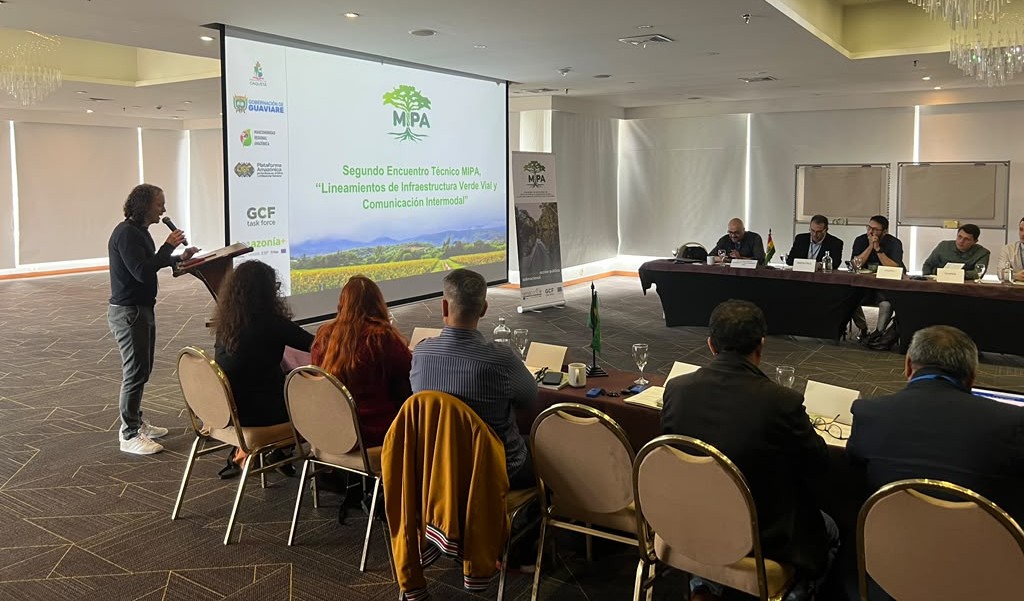
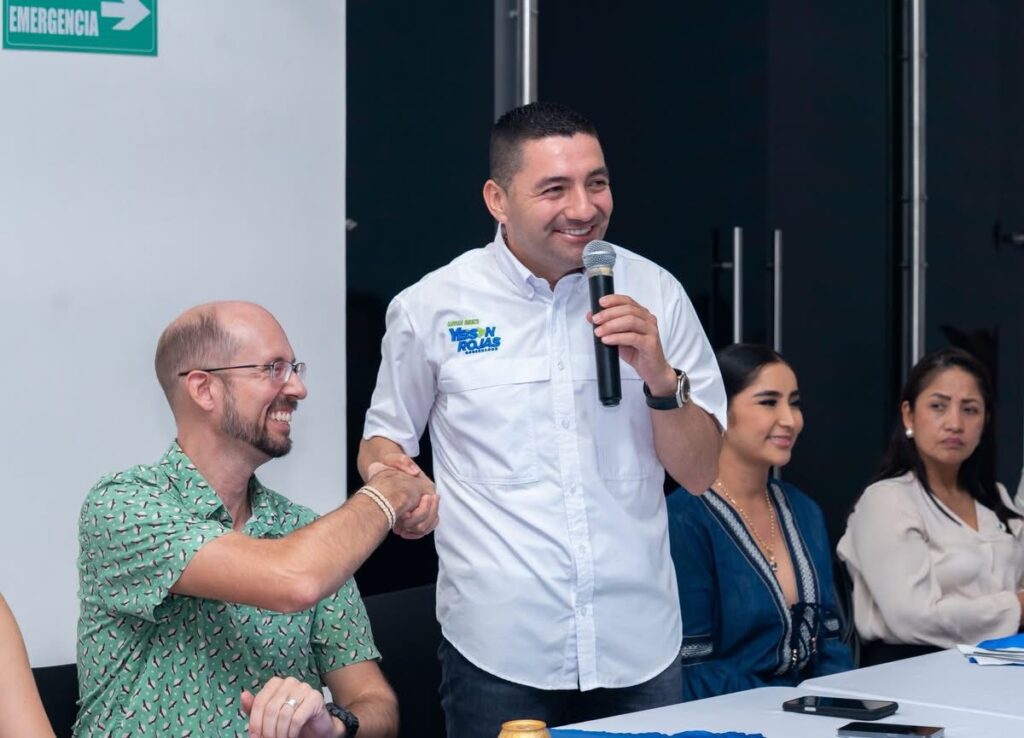
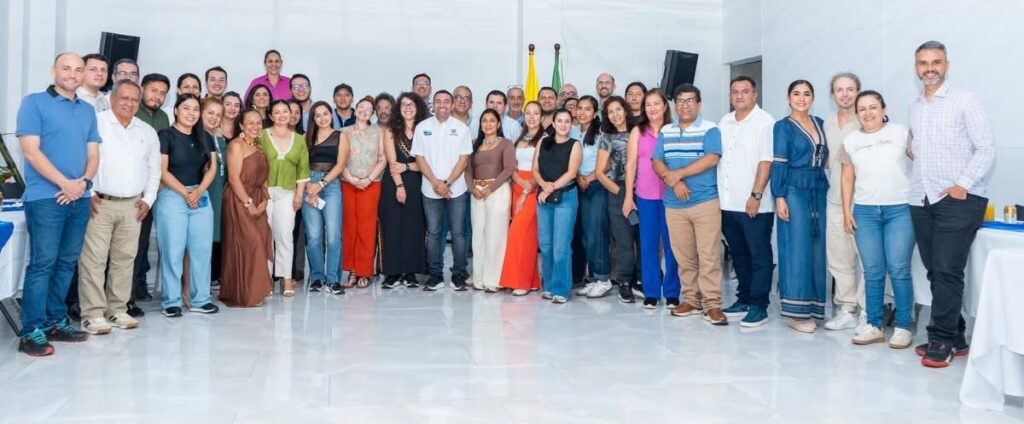
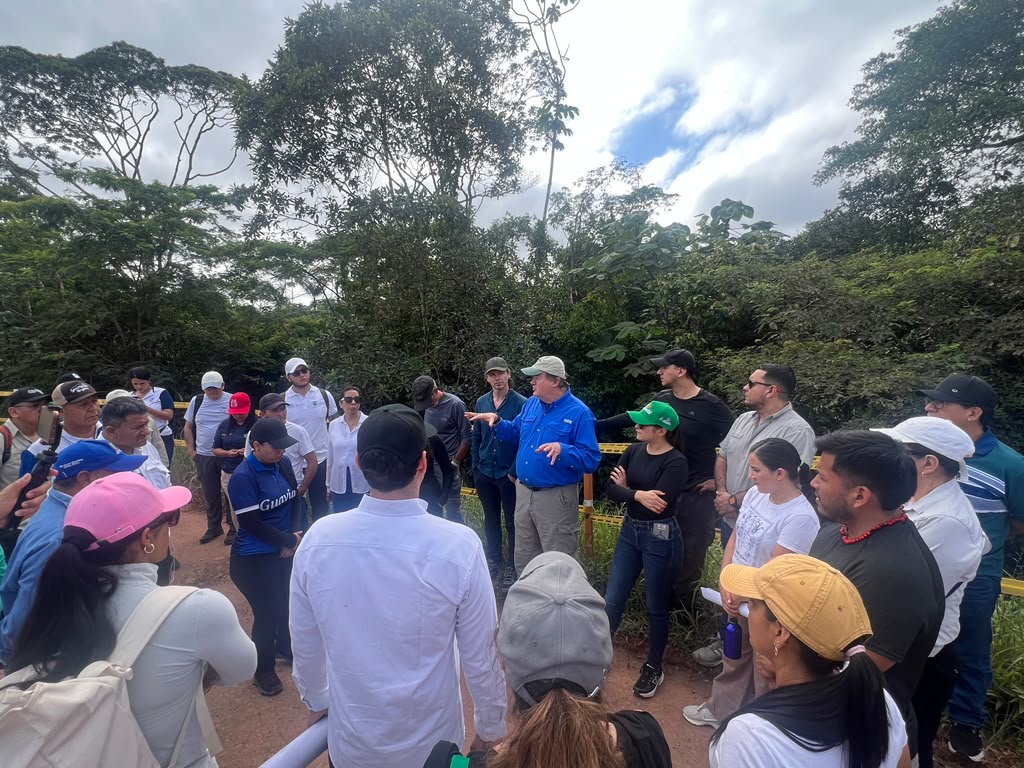
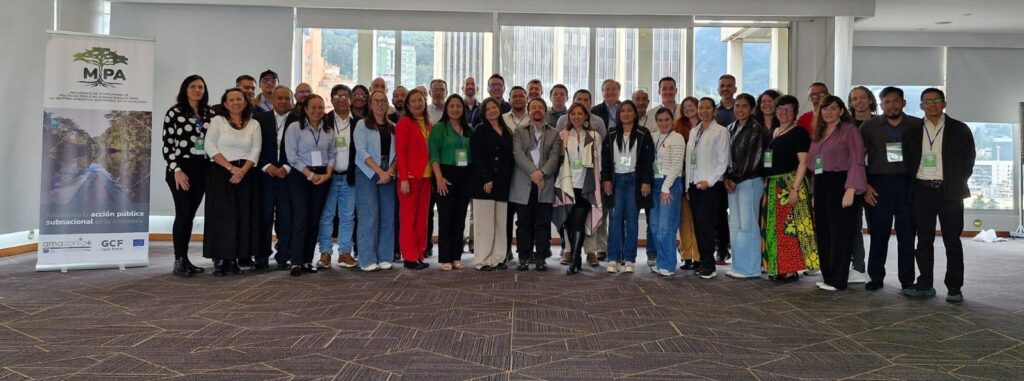
This MIPA had as its objective promoting regional coordination and the replication of best practices in sustainable infrastructure among national and subnational governments in Brazil, Bolivia, Colombia, Ecuador, and Peru.
Guidelines and Intergovernmental Coordination
The LIVV Guidelines cover each of the following areas:
- Sectoral strategic planning
- Project planning at the pre-feasibility stage
- Project planning at the feasibility stage and final designs
- Construction
- Operation
- Intervention (improvement, rehabilitation, and maintenance)
- Decommissioning
Discussions
GCF Task Force technical experts from across 17 subnational governments from five countries of the Amazon engaged in technical capacity building sessions with partners from the Fundacion para la Conservacíon y el Desarrollo Sostenible (FCDS), WWF, and TNC, as well as national representatives from Environmental, Planning, and Transportation ministries in Colombia, Bolivia, and Ecuador, and the provincial government of Barcelona.
Discussions centered around applying the LIVV best practices in various contexts, from developing budgets for Governor, legislative, and bank (e.g., domestic banks and multilateral development banks such as the InterAmerican Development Bank, the World Bank, and the Development Bank of Latin American and the Caribbean) approval to identifying and partnering with key communities and organizations in the design and execution of infrastructure projects.
We also held a panel session with two political leaders from within the network – current Prefect Karla Reátegui of Zamora Chinchipe (Ecuador) and former Governor Mario Aguilera of Santa Cruz, Bolivia. In addition to sound technical planning, decision-makers require, among other elements:
- clear budget proposals and justifications for projects that may cost more in the short-term, but deliver longer-term cost, safety, and environmental benefits,
- clear relationship to overall government priorities and the jurisdictional vision,
- clear institutional structure and team for carrying out the work, and
- ability to support strong public policies that attract investment, access markets, and benefit communities and voters.

Field Visit
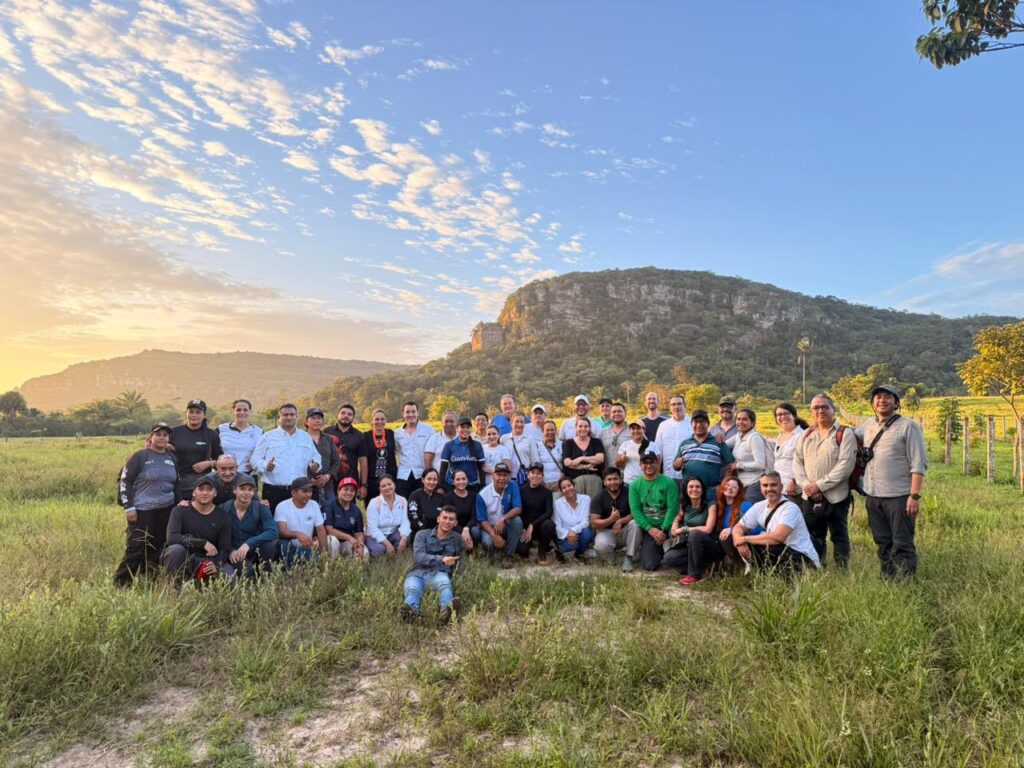
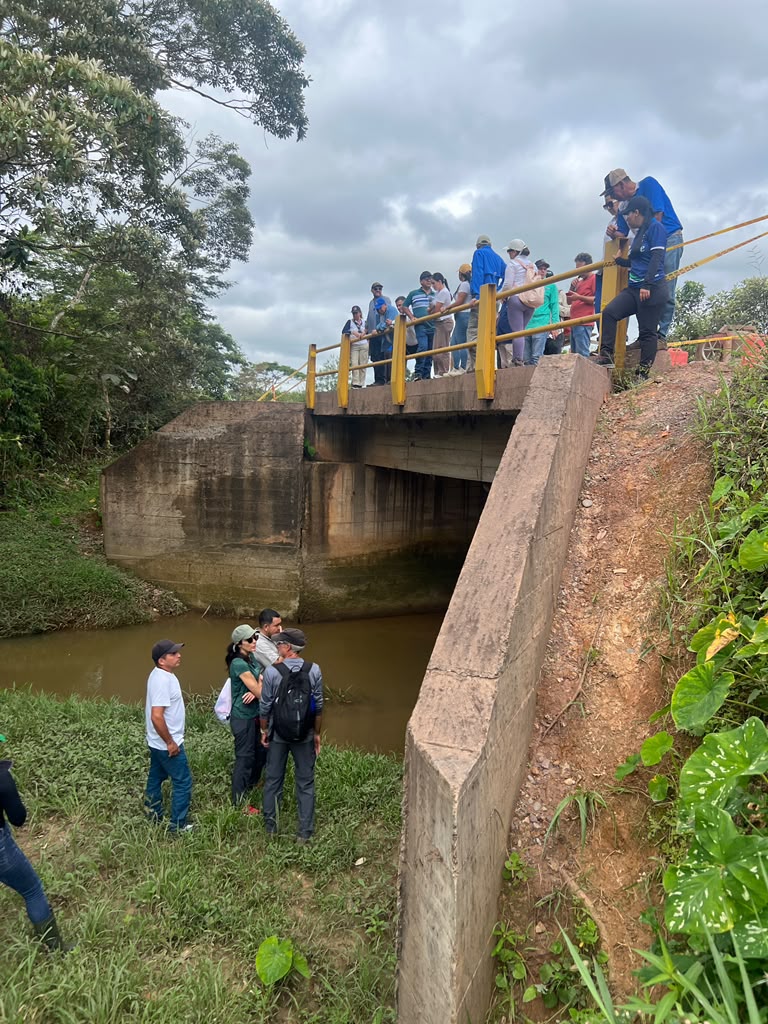
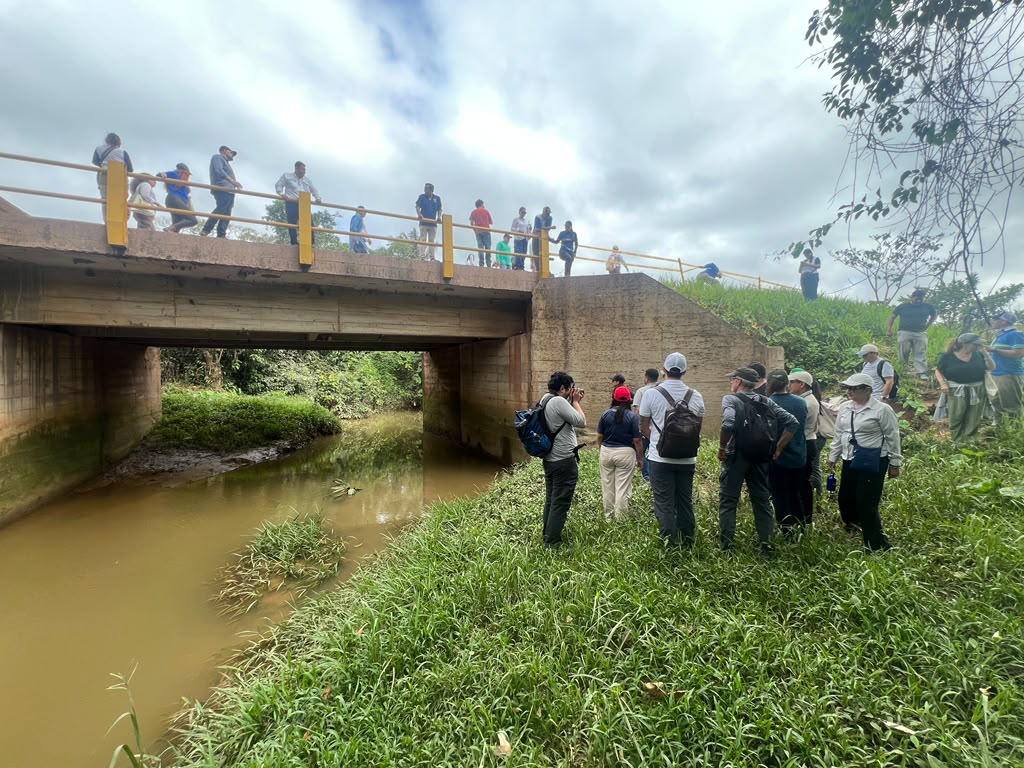
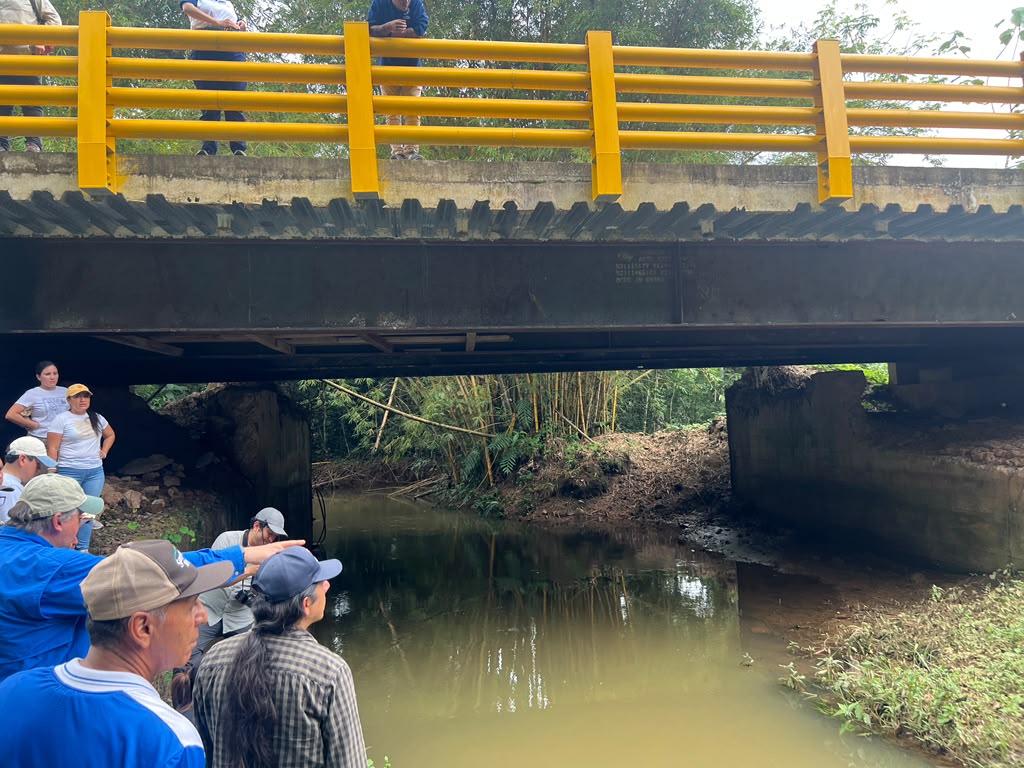
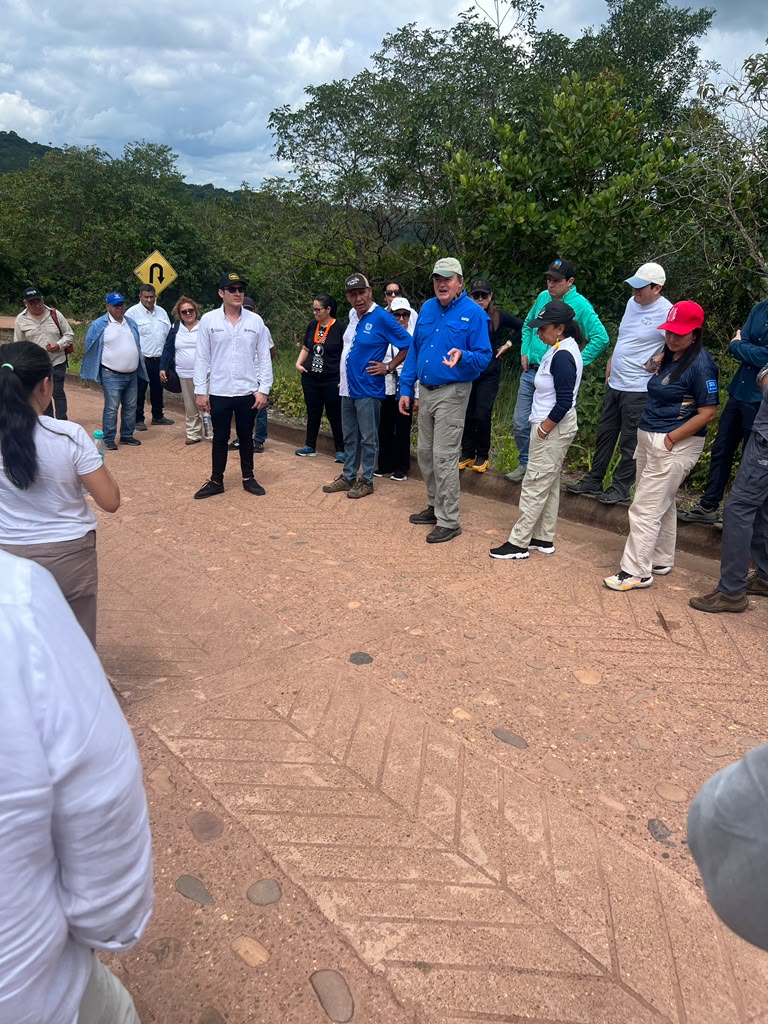
Participants also spent a full day in the field seeing these best practices in real-time. FCDS and the Planning Secretary of Guaviare brought us to visit several example bridges on the main road between the cities of San Jose de Guaviare and el Retorno. These bridges crossed small streams, but are being redesigned to improve the bridges’
longevity, reduce wildlife mortality by incorporating lower-cost and local-material construction of wildlife crossings, all while ensuring continuous access to communities to the roads and improved bridge infrastructure. Wildlife that has been observed using these under-bridge crossings include endangered tapir and jaguars.
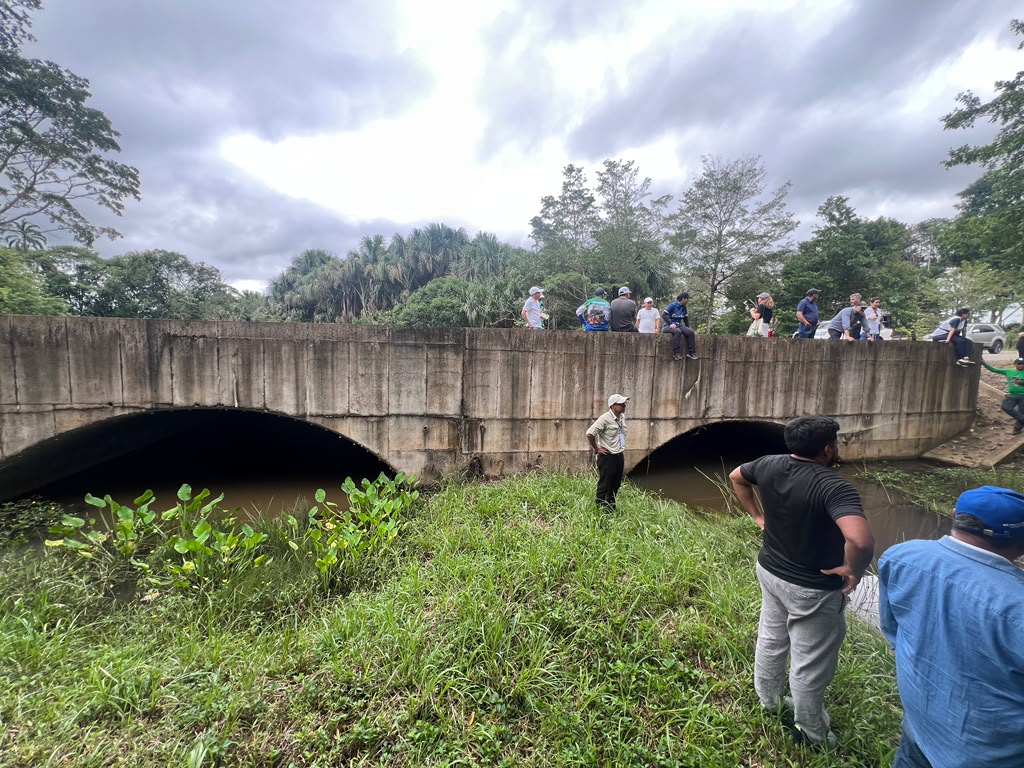
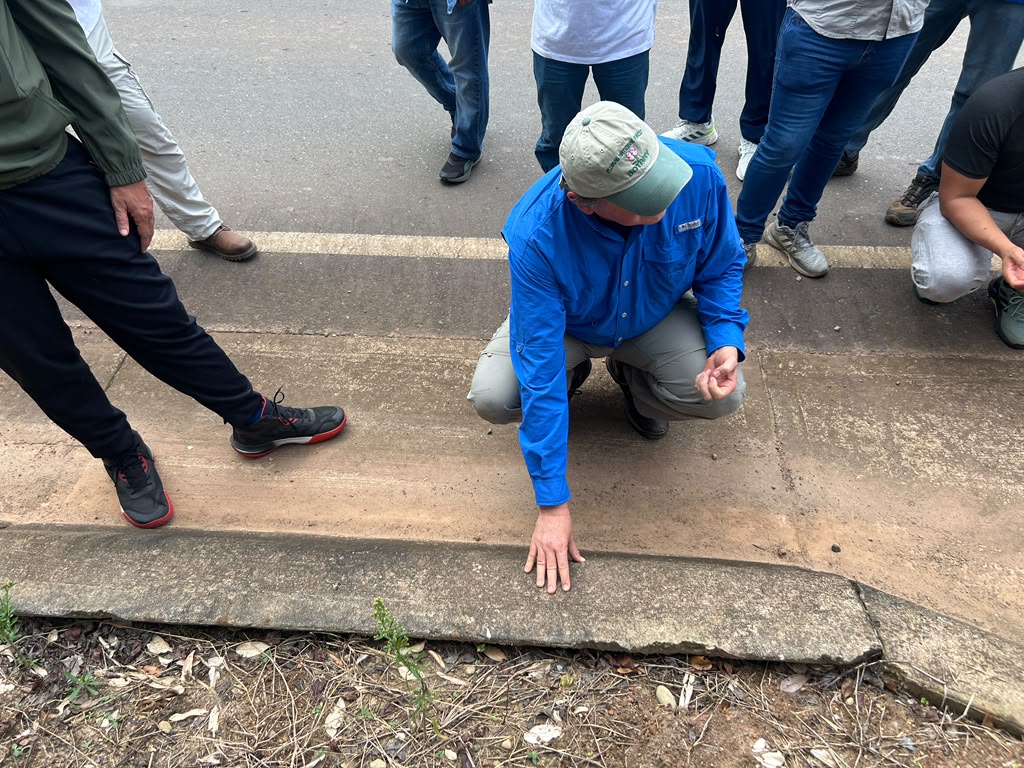
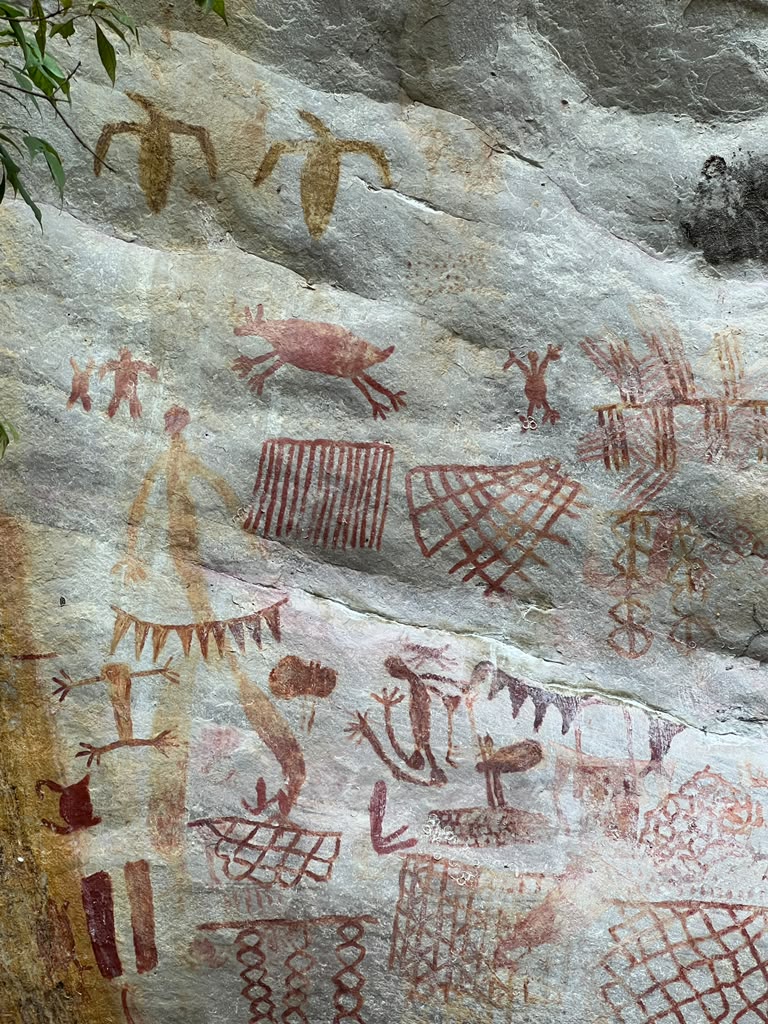
We also visited a community-led tourism project, traveling over an improved road that included lower-cost cement materials placed at strategic locations where rains and erosion most impacted travel. This improved infrastructure took into account building material, cost, distance, and community need. Importantly, this community need included allowing ongoing eco- and cultural-tourism access to the incredible pictograms and biodiversity of Nueva Tolima, within the Reserva Forestal Protectora Nacional (National Protected Forest Reserve) of Serranía la Lindosa.
Next Steps
Participants discussed additional bilateral exchanges to delve deeper into the civil engineering and construction elements of these improved bridges and roads, as well as further discussions around river and air transport. (Two Colombian departments – Vaupés and Guainía – explained that they lack any road connection with surrounding departments or the country).
We also discussed convening multilateral development banks to discuss the needs, realities, and opportunities at the subnational level to advance with robust LIVV best practices, and how those efforts could align with bank safeguard requirements to secure infrastructure financing.
Finally, participants discussed the significant interest and need to continue with these types of MIPA exchanges: bringing together technical staff with partners from across the Amazon region offers a unique opportunity through the existing GCF Task Force platform to learn, adapt, and advance on the implementation of best practices around green transportation infrastructure that is so crucial for our overall vision of building a New Forest Economy.
Stay tuned for more information on how these guidelines were discussed and may be adapted and implemented in GCF Task Force member jurisdictions in Bolivia, Brazil, Colombia, Ecuador, and Peru…