New Forest Economy for Climate Action: Territorial Development and Innovation
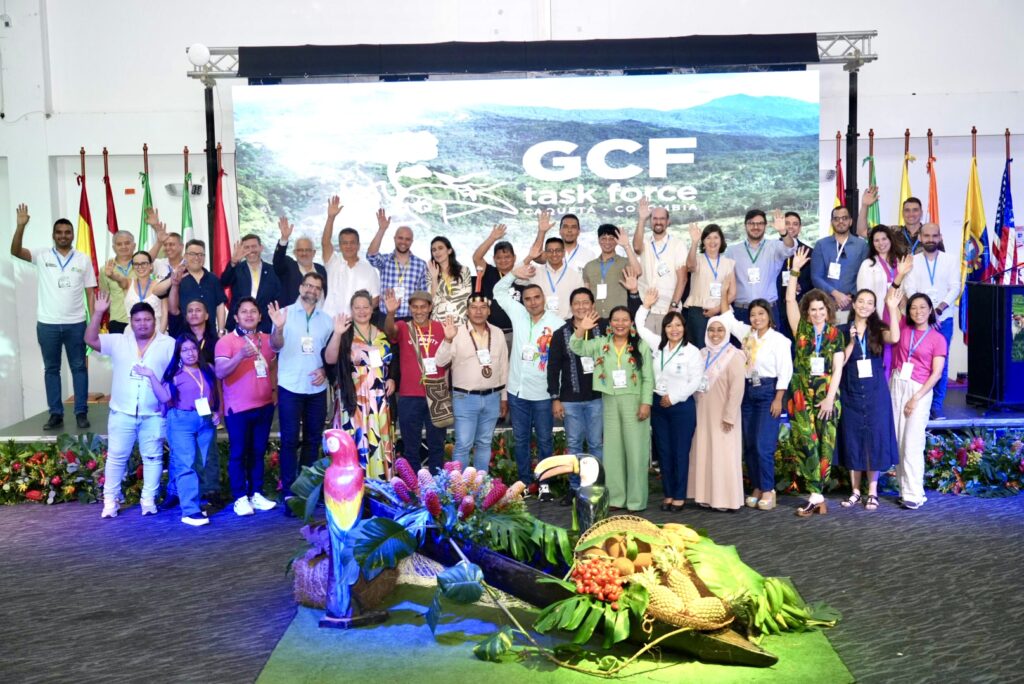
The 16th Annual Meeting of the Governor’s Climate & Forests Task Force (GCF Task Force), the world’s largest subnational governmental network focused on forests and climate, took place in Florencia, Caquetá, Colombia, from May 18 to 22, 2026.
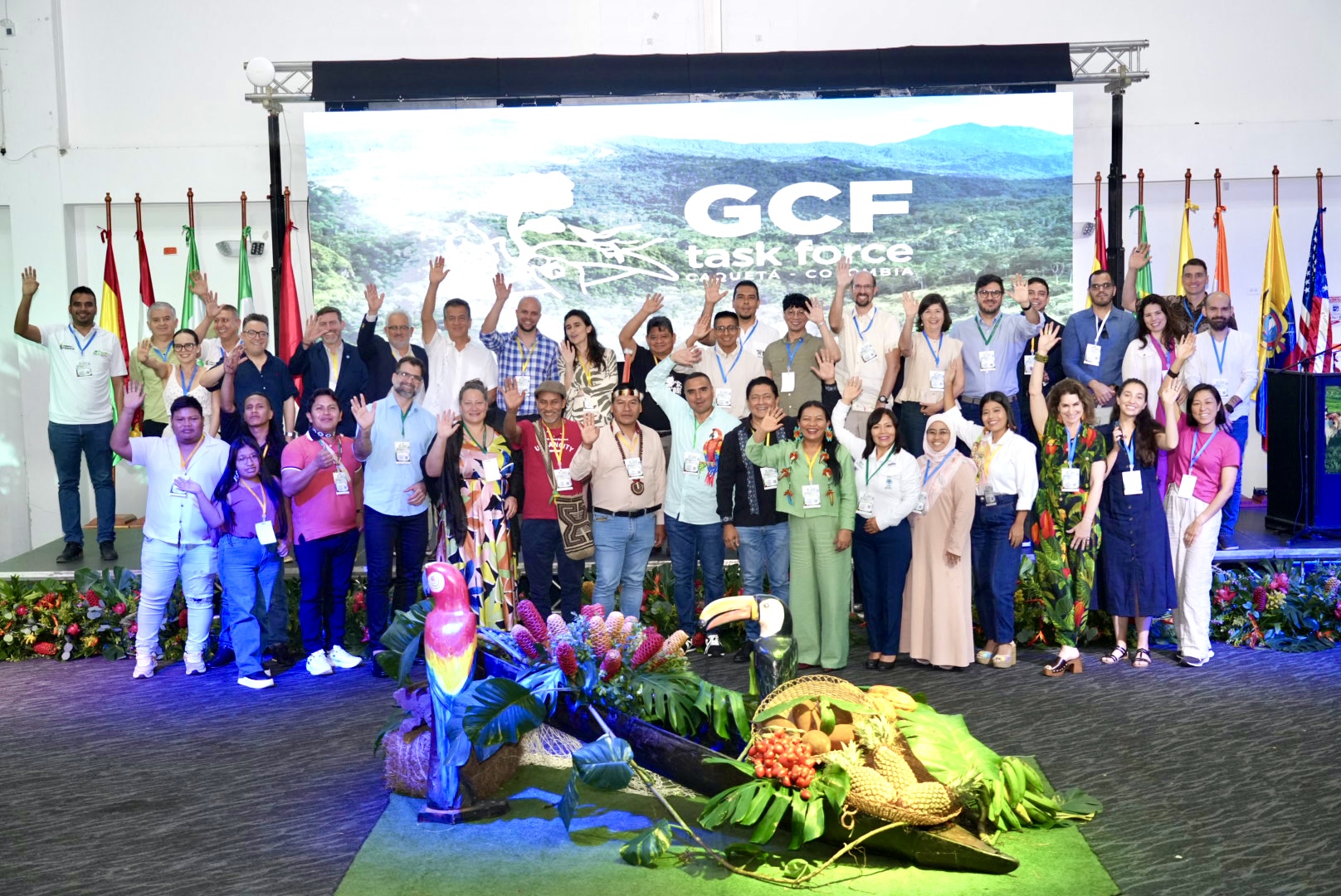
With close to 500 participants, including 19 governors and vice-governors, the head of RAP Pacífico (Colombia), the Vice President of the National Federation of Departments (Colombia), authorities from state environmental secretariats, Indigenous and local community leaders, and international partners, the week included impactful field visits, insightful plenary discussions, substantive bilateral meetings, and productive technical working sessions. This annual meeting proved to be another vital milestone in advancing our unified vision for subnational leadership within the climate and forests agenda.
GCF Task Force 16th Annual Meeting Highlights
-
A Growing Network
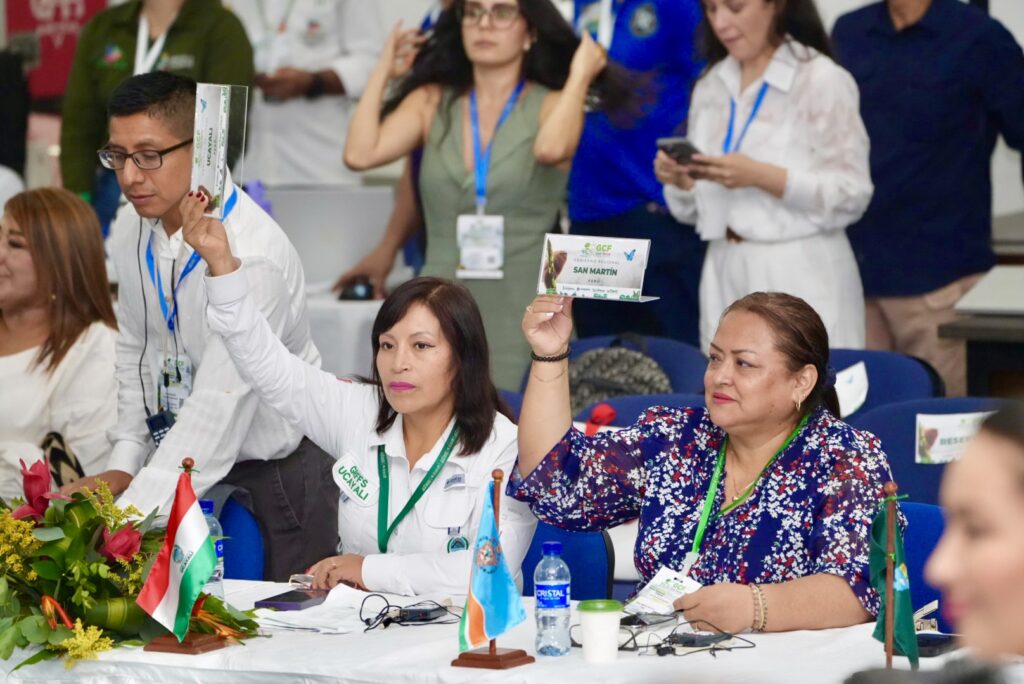
We grew from 45 to 54 member jurisdictions with the addition of nine full members (from Colombia: Amazonas, Guainía, Guaviare, Putumayo, Valle del Cauca, and Vaupés; from México: Michoacán; from Perú: La Libertad and Tumbes). We also voted-in five new observer members (from Colombia: Cauca, Chocó, and Nariño; from Ecuador: Napo and Sucumbíos).
-
New Forest Economy Working Sessions
We strengthened our knowledge sharing and capacity building during our technical working sessions that focused on the four building blocks of the New Forest Economy. Overall themes included: Establishing a Thriving Bioeconomy, Sustaining Natural Infrastructure, Restoration and Resilience, Sustainable Commodities, and Enabling Conditions for the New Forest Economy. A summary report on the results of these sessions will follow in the coming months.
-
Global Committee for IPLCs Work Plan
The GCF Task Force Global Committee for Indigenous Peoples and Local Communities (IPLC) approved the inclusion of representatives from Colombia, Ecuador, and Bolivia, and adopted a work plan that will deepen and advance how subnational governments partner with IPLCs.
-
Field Visits
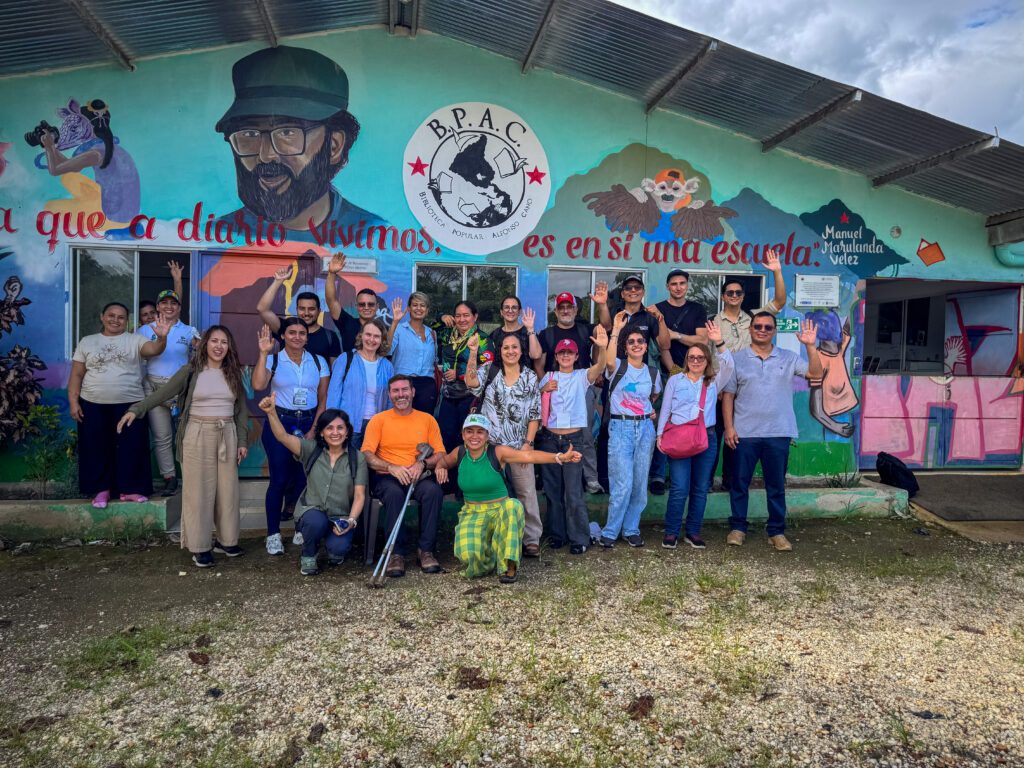
Participants engaged in deeply substantive field visits to better understand challenges and opportunities related to:
• Creating more sustainable supply chains for established commodities.
• Innovating markets for new and/or value-added Amazonian products.
• Developing large-scale management plans for natural infrastructure and socioecological tourism.
• Integrating local communities, women and signatories of the 2015 peace agreement.
• Implementing restoration initiatives.
• Advancing cooperative partnerships and co-management activities between governments, local communities, and research institutions.
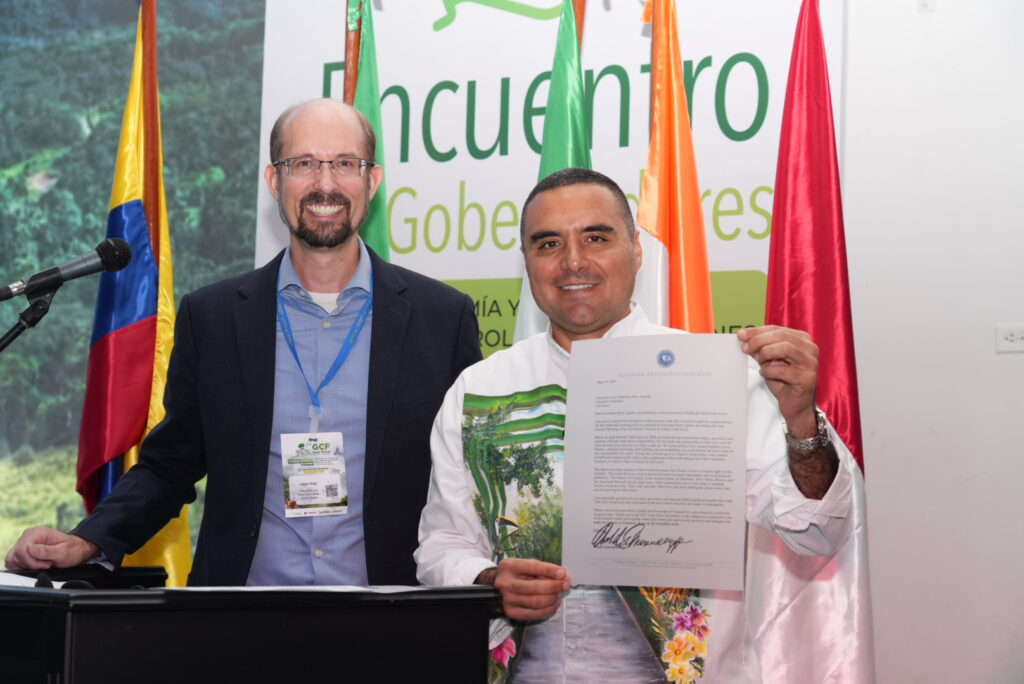
Governor Ruíz Aguilar opened the public session with a surprise letter from our founder, Governor Arnold Schwarzenegger of California congratulating Caquetá and the GCF Task Force for their ongoing leadership role, growth, and demonstration of the importance of subnational action. Read the letter here.
High-Level Announcements on New Forest Economy Building Blocks
-
Natural Infrastructure
Darwin Initiative Award in Bolivia
Fundación Natura Bolivia and the Governments of Pando, Santa Cruz, and Tarija announced the recently awarded $7M USD grant from the Darwin Initiative for a project called “Sustainable financing for protected area management in Bolivia’s Andean foothills.” The project “will enhance the conservation status of 4 million hectares of Bolivian protected areas and alleviate poverty and increase resilience in neighboring communities, through technical, institutional, and financial capacity building for protected area creation, management, and monitoring.” This UK-backed award will also provide direct support for continuing to integrate GCF Task Force members in Bolivia into the broader GCF Task Force network.
-
Natural Infrastructure
Statement in Support of JREDD+
Led by Brazilian states, the GCF Task Force issued an urgent call-to-action for continuing to support climate finance mechanisms, including jurisdictional REDD+. This statement, titled “Accessing Subnational Climate Finance Access through Jurisdictional REDD+: Urgency, Unity, and Diversity” reflects the imperative for increasing access to international climate finance, including through carbon markets around jurisdictional REDD+. The statement notes that “the choice before the international community is stark: invest in jurisdictional REDD+ now or face the loss of the best operational tool we currently have to keep forests standing.”
-
Natural Infrastructure
Protected Area Financing Plan in Yucatán
Herencia Maya (Maya Heritage) in Yucatán is the first Project Finance for Permanence initiative in Mexico and the first led by a state rather than a national government. It is part of the Enduring Earth initiative that promises to conserve the state’s interconnected and irreplaceable hydrological, ecological, and cultural heritage.
-
Natural Infrastructure
Jalisco Advances on JREDD+
In April 2026, Jalisco’s ART/TREES registration document was approved by the ART Secretariat, bringing Jalisco one step closer to the issuance of TREES credits. Jose Daniel Graf Perez, Director General of Natural Resources for the State Secretary of Environment and Territorial Development presented on the momentum of this process on Friday, May 22.
-
Natural Infrastructure
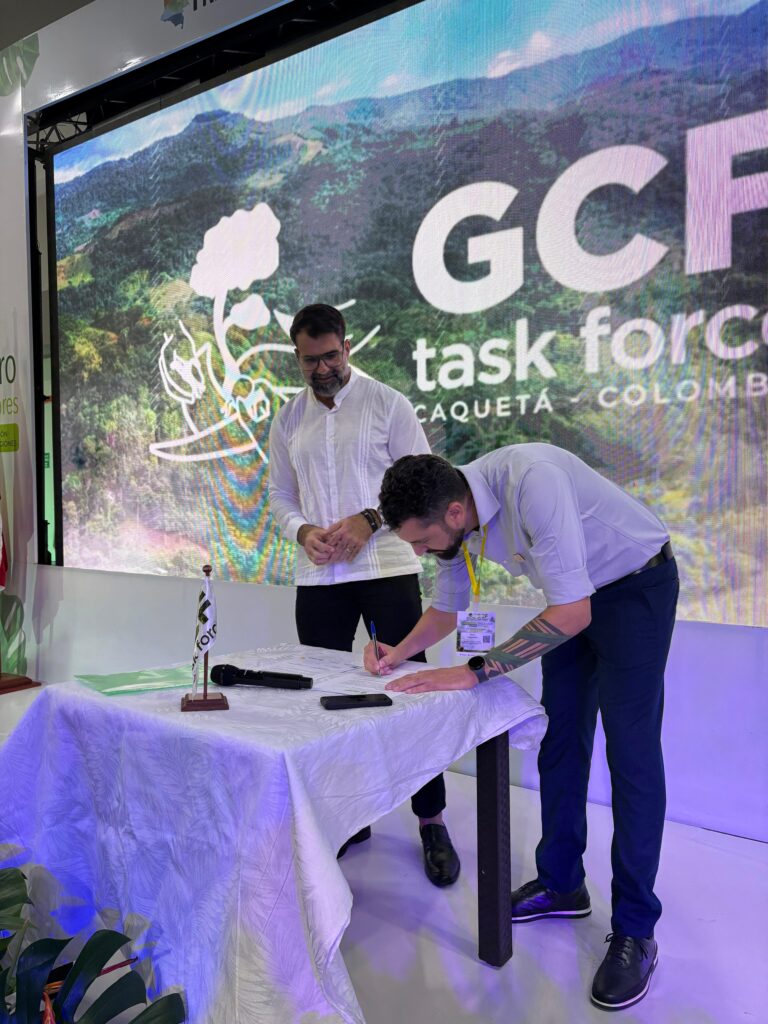
Amazonas signs MOU with Forest Stewardship Council (FSC)
On Thursday, May 21, 2026, FSC Brasil signed an MOU with the Amazonas State Department of the Environment to establish a joint agenda for the sustainable management of more than 8 million hectares as part of the FSC Conservation Facility initiative.
-
Restoration & Resilience
Announcement: Technical Exchange in West Kalimantan
West Kalimantan will be hosting a Technical Exchange from September 8-10, 2026 (dates to be confirmed). The theme is “Public – Private Collaboration in Conservation and Restoration.”
-
Bioeconomy
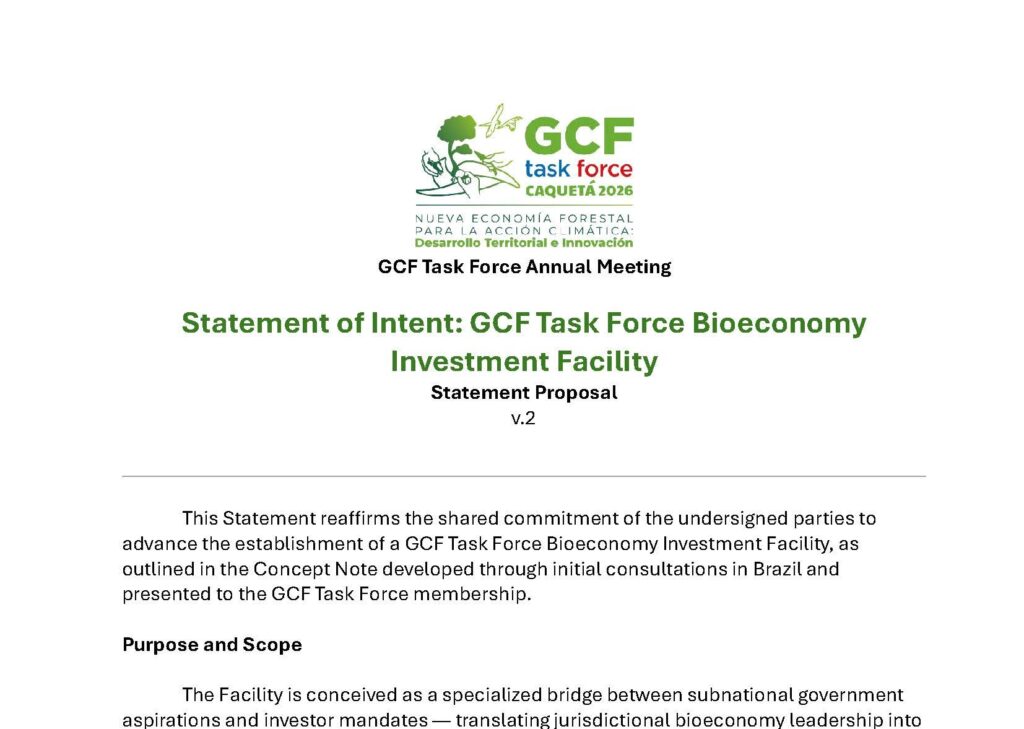
Bioeconomy Investment Facility
Launching of a Bioeconomy Facility for channeling financing into innovative bioeconomy efforts, starting with Brazilian states.
-
Transversal
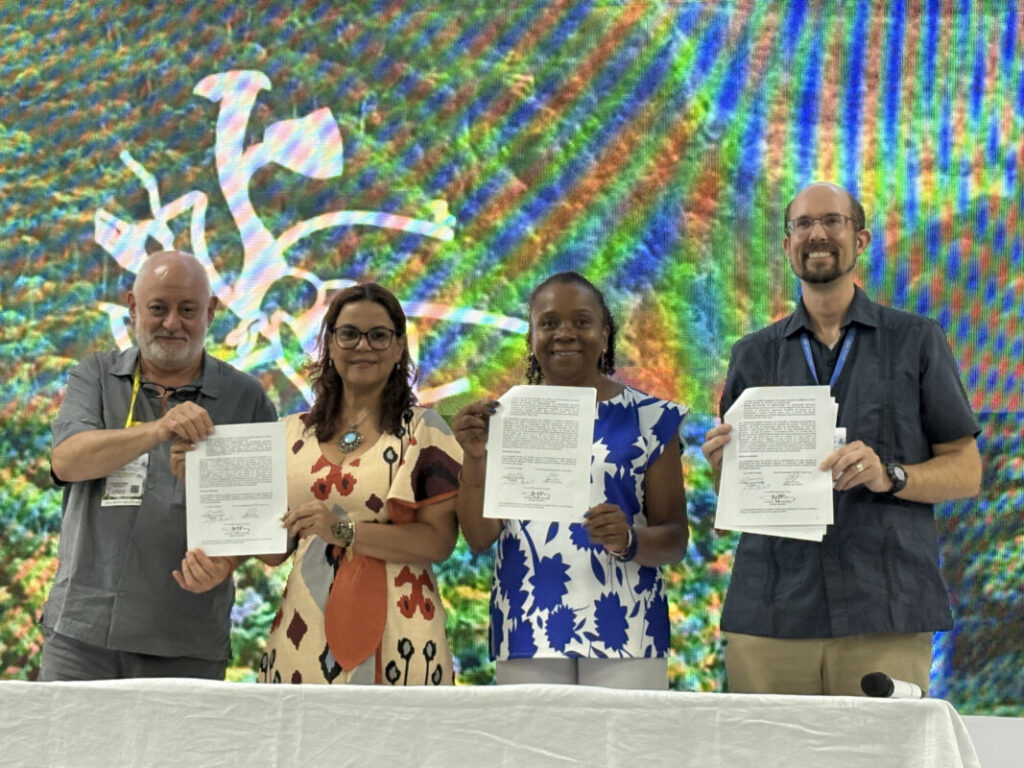
RAP Pacífico, Action for Forest and GCF Task Force sign LOI
Signed Letter of Intent with RAP Pacífico (Cauca, Chocó, Nariño, and Valle del Cauca – Colombia) and Action for Forest to strengthen knowledge exchange, capacity building and the implementation of best practices in forest governance in the departments of the Colombian Pacific and to integrate this region into the larger block of Colombian members from the Amazon and the full GCF Task Force network.
-
Transversal
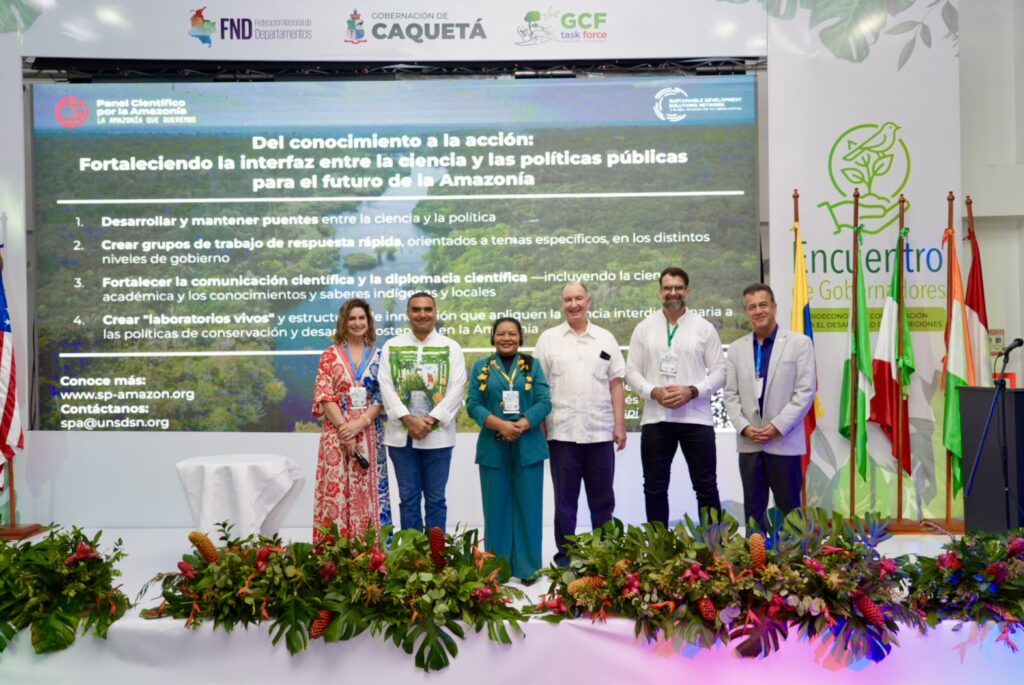
Science Panel for the Amazon (SPA) launches new white paper
SPA launched its new White Paper, “From Knowledge to Action: Strengthening the Science–Policy Interface for the Future of the Amazon.” With GCF Task Force Senior Director for Partnerships and Engagement, Colleen M. Scanlan Lyons, as one of the lead authors, the paper draws on expert consultations across key Amazonian sectors and offers concrete recommendations for strengthening the bridges between scientific evidence and policy action at all levels of governance, in support of the conservation and sustainable development of the Amazon.
-
Transversal
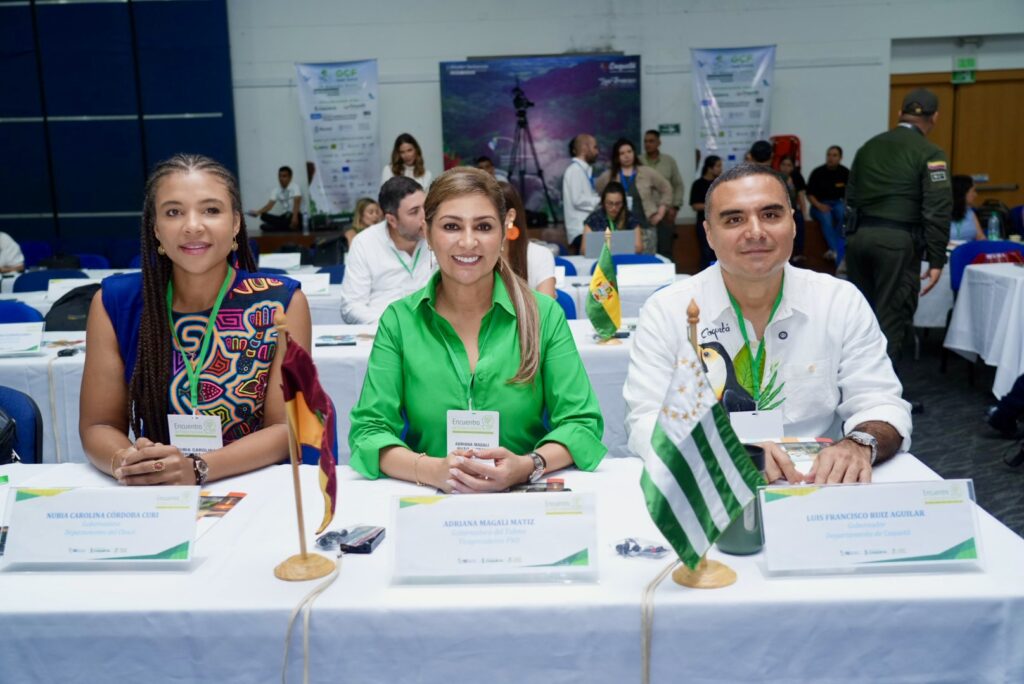
Colombian Governors’ Declaration of Cooperation through GCF Task Force
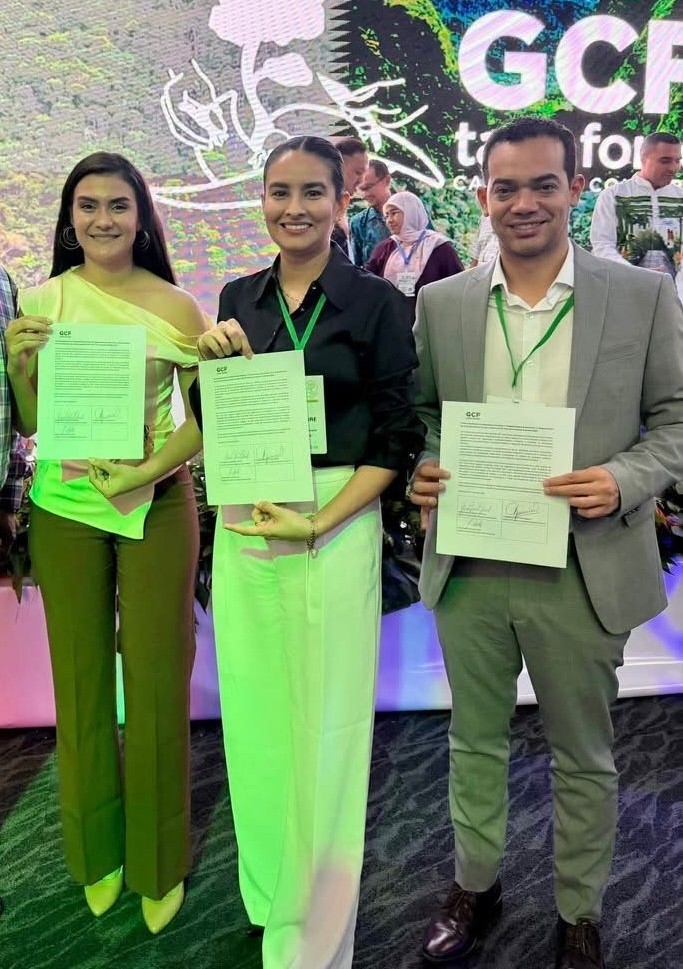
On Thursday, May 21, Governor Ruiz of Caqueta led a signing of a Declaration of Cooperation for all 10 Colombian departments who are members or observers of the GCF Task Force, together with supporting signatures from the GCF Task Force Secretariat, the Norwegian and EU Embassies, and many other partners. This Declaration establishes a firm political commitment to develop a workplan for advancing the New Forest Economy and building momentum for the continued and increasing active engagement of Colombian departments within the GCF Task Force.
-
Transversal
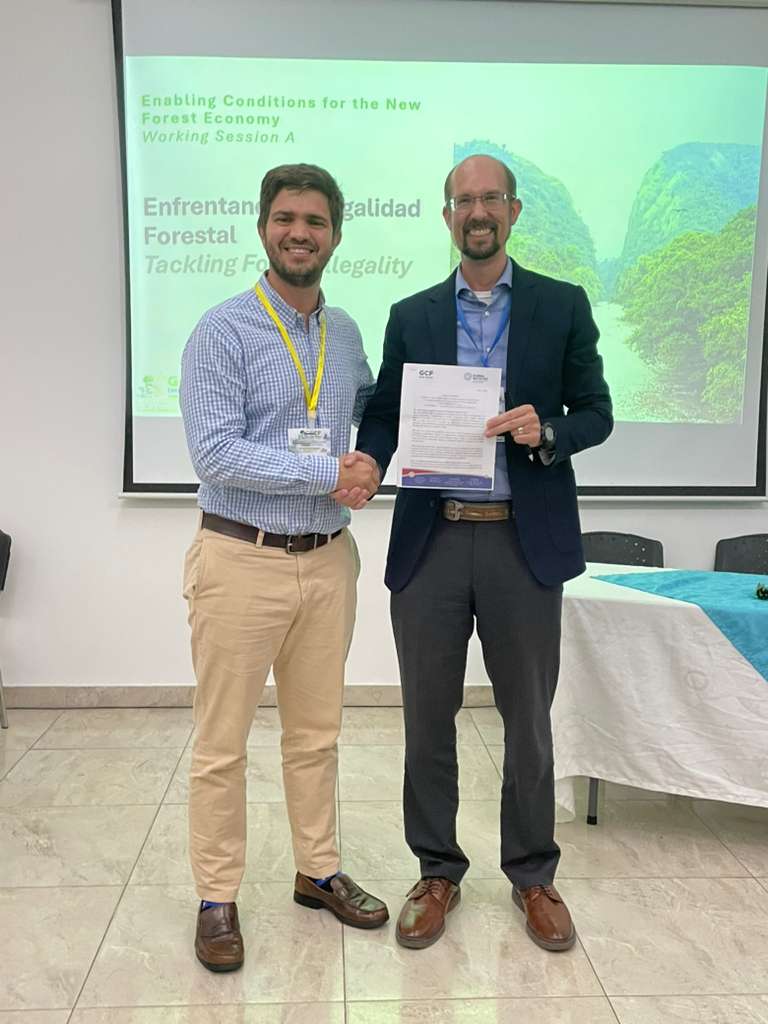
New Partnership with Global Initiative against Transnational Organized Crime (GI-TOC)
The GCF Task Force and GI-TOC signed a Letter of Intent to bring together their unique expertise, membership, and mandates to protect forests and increase access to data to combat forest crime. This partnership will bring important expertise, technical tools, research assistance, and dialogue to address the intersections between environmental crime, illicit economies, climate finance, biodiversity protection, and sustainable development.
-
Transversal
Amazon Future Fund (Fondo Futuro Amazónico; FFA)
The FFA is an innovative conservation fund that gives Indigenous peoples (Shiwiar, Andwa, Sapara, and Achuar Nations); and provincial governments (Morona Santiago, Pastaza, and Zamora Chinchipe) equal power and ensures long-term protection of Ecuador’s Amazon. It is designed to support: Indigenous Life Plans, provincial conservation management plans, and REDD+ implementation across GCF Task Force jurisdictions in Ecuador. In partnership with Nature & Culture International.
-
Transversal
Platform to Address Legal Uncertainties Facing Indigenous Peoples in the Peruvian Amazon
This initiative aims to help close gaps in titling, physical and legal land regularization, and legal security for native communities in Loreto, Ucayali, Huánuco, San Martín, and Amazonas, ensuring legal tenure and effective governance of Indigenous territories. Participants include the Confederation of Amazonian Nationalities of Peru (CONAP), the Amazon Regional Commonwealth (Mancomunidad or MRA), the Peruvian NGO Alternative Development Mechanisms (MDA), Amanatari, and other Indigenous Peoples’, government, and civil society institutions. Its relevance lies in strengthening territorial rights, reducing conflicts, improving Indigenous governance, and creating enabling conditions for forest conservation and sustainable Amazonian development.
-
Transversal
Macro-Regional Platform for the Forests of Northern Peru
This initiative seeks to consolidate a macroregional alliance to position northern Peru as a leading territory in climate action, ecosystem restoration, biodiversity conservation, water security, and the development of sustainable jurisdictions. Participants include the natural resources and environmental management offices of the regional governments of La Libertad, Lambayeque, Piura, Tumbes, and Cajamarca. Its relevance is grounded in the urgent need to address environmental degradation, pressure on water resources, unplanned expansion, and the effects of climate change, by mobilizing territorial governance and climate finance to conserve biodiversity, restore ecosystems, strengthen communities, and improve quality of life for present and future generations. In partnership with Profonanpe and Mecanismos de Desarrollo Alternos (MDA).
-
Transversal
Alianza Gobernaciones Bolivia
The governments of Pando, Santa Cruz, and Tarija (Bolivia) signed an interdepartmental cooperation agenda aimed at strengthening prevention, preparedness, and response to forest fires and environmental disasters associated with climate change.